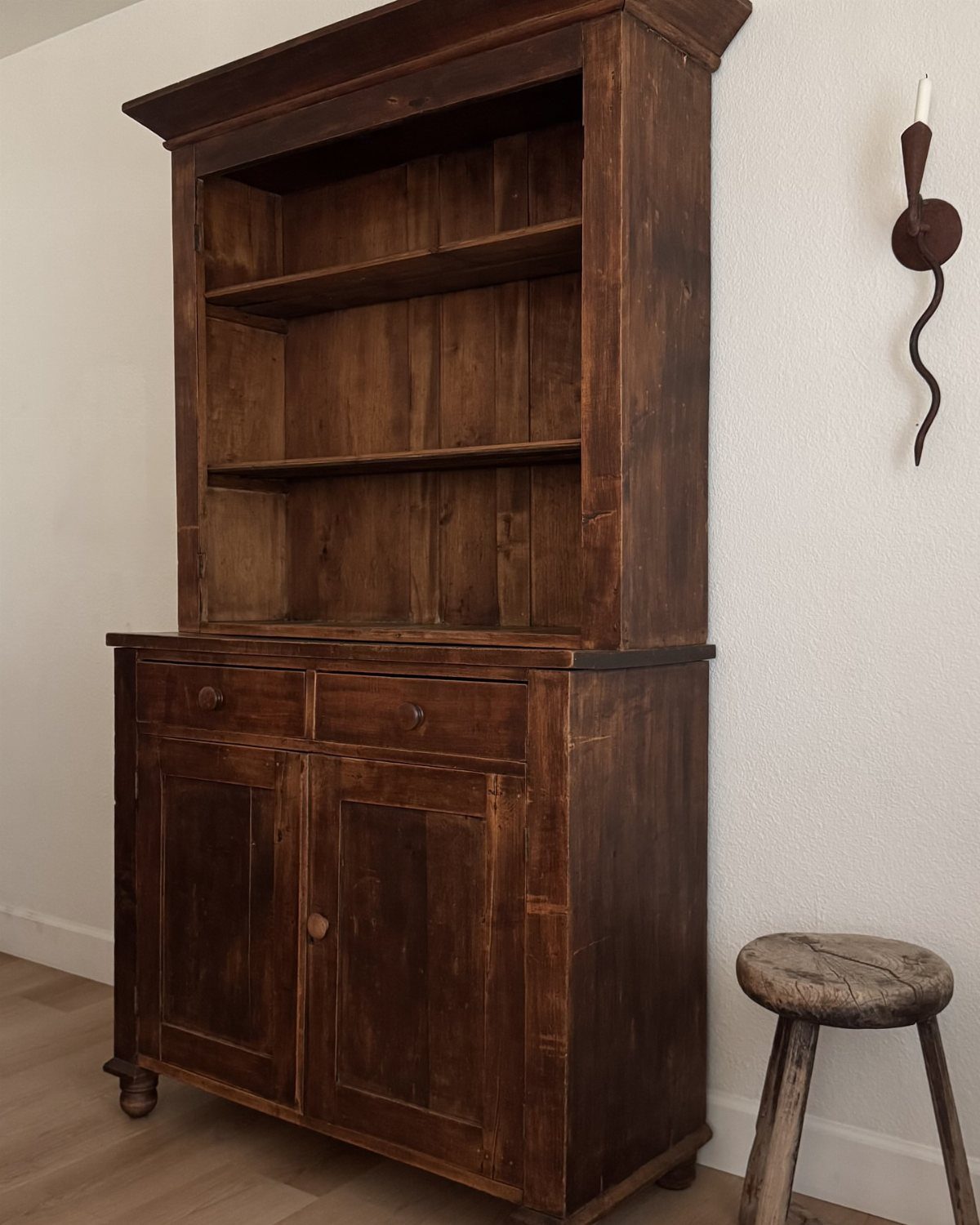
Old wood hutches vary mostly in storage type and finish. Glass fronts protect china while letting you see it; open shelves turn display into part of the room but need regular dusting.
Two-piece designs separate so you can move the upper cabinet independently or mount it as wall storage, while one-piece French hutches reach floor to ceiling without splitting.
The finish decides the formality: dark walnut reads traditional, chippy paint reads cottage, and mid-century teak sits low and wide with sliding doors instead of hinged ones.
1. Glass-front Upper Cabinets
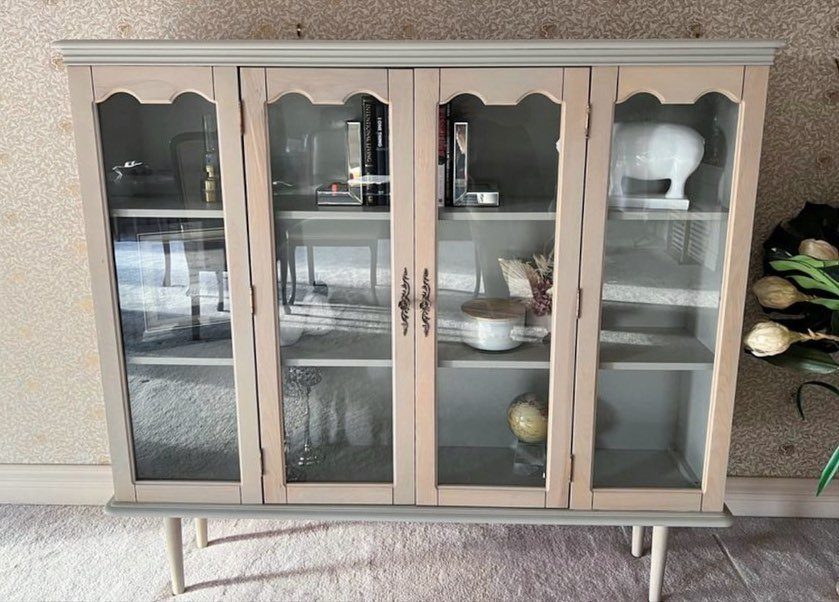
Glass fronts let you see what the hutch holds without opening a door. The panes protect what’s inside from dust while keeping the contents on display.
I like this setup for collections you want visible but rarely handle.
Antique china, inherited serving pieces and mismatched dishware all look intentional behind glass. If you are keeping everyday dishes inside, the doors stay practical but the contents need to stay tidy.
Look for muntins that divide the glass into smaller panes. They give the cabinet more detail than a single sheet.
2. Open-shelf Hutch
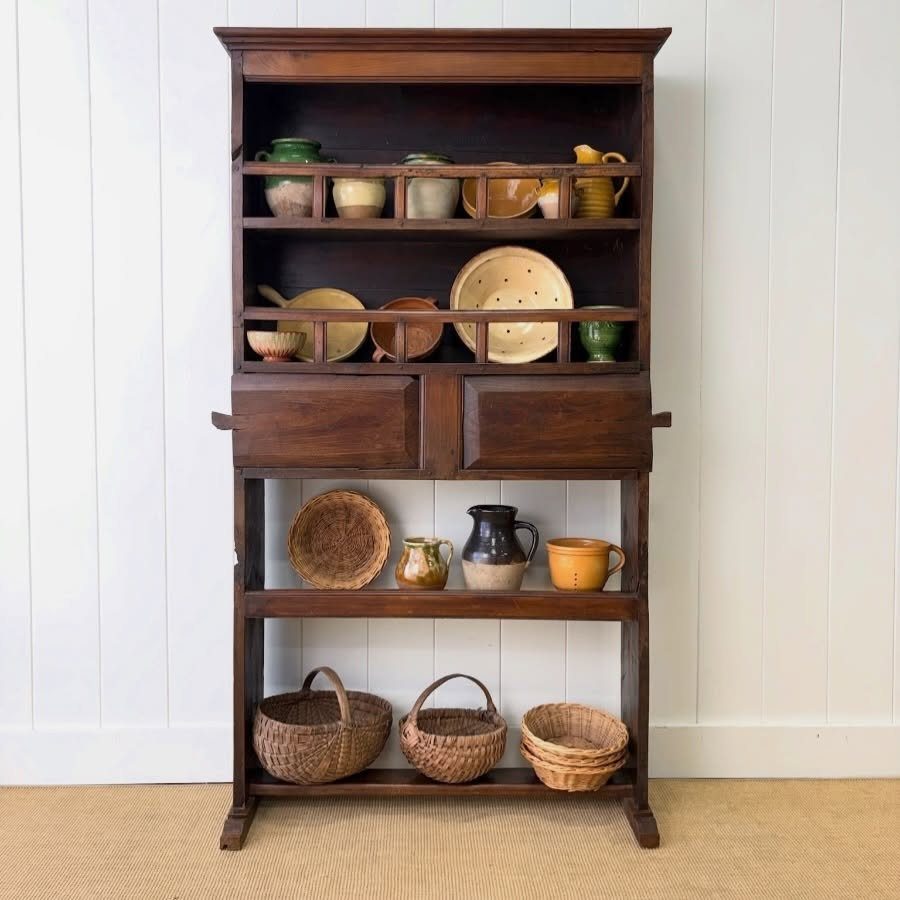
Leaving the shelves open turns a hutch into display storage. You lose the protection of doors, but you gain easy access and the chance to rotate what sits on view.
Open shelves suit kitchens and dining rooms where you want texture on the wall.
Stack pottery, line up glassware by height, or fill baskets with linens. The arrangement matters more here than it does behind glass, since nothing hides a cluttered shelf.
Dust becomes part of the upkeep. Wipe the shelves down monthly if the hutch sits near cooking surfaces.
3. Two-piece Hutch
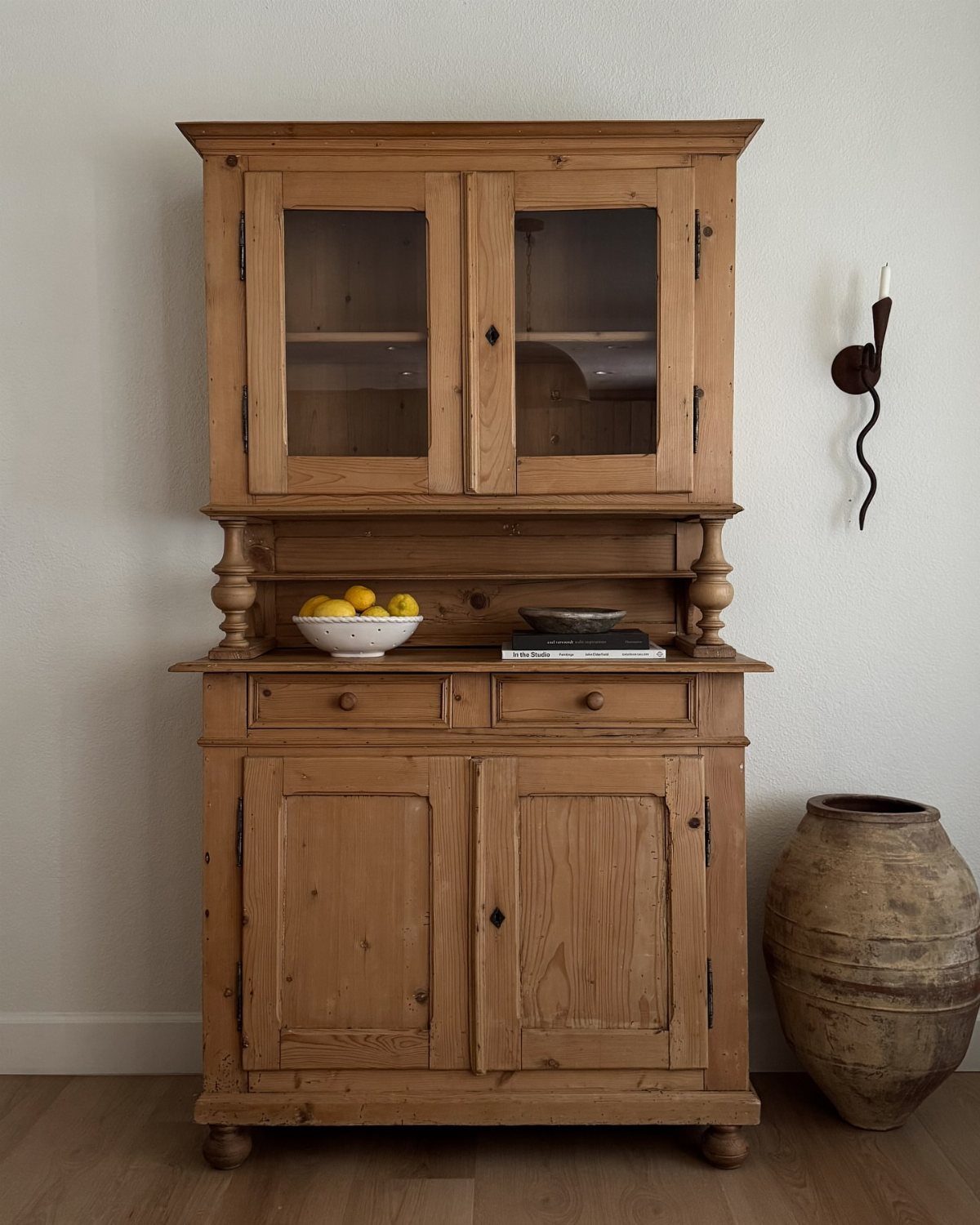
A two-piece hutch separates the upper cabinet from the lower base. The top lifts off when you move or rearrange, which makes a heavy piece easier to handle.
This design shows up in older furniture, where the 2 sections were built and finished independently.
The lower half often serves as a buffet or sideboard on its own, so the hutch works in 2 rooms if you ever split them.
Check that the top sits stable. Some rest on the lower surface without brackets; others use dowels or cleats to hold the upper section in place.
4. Drawers and Cupboards
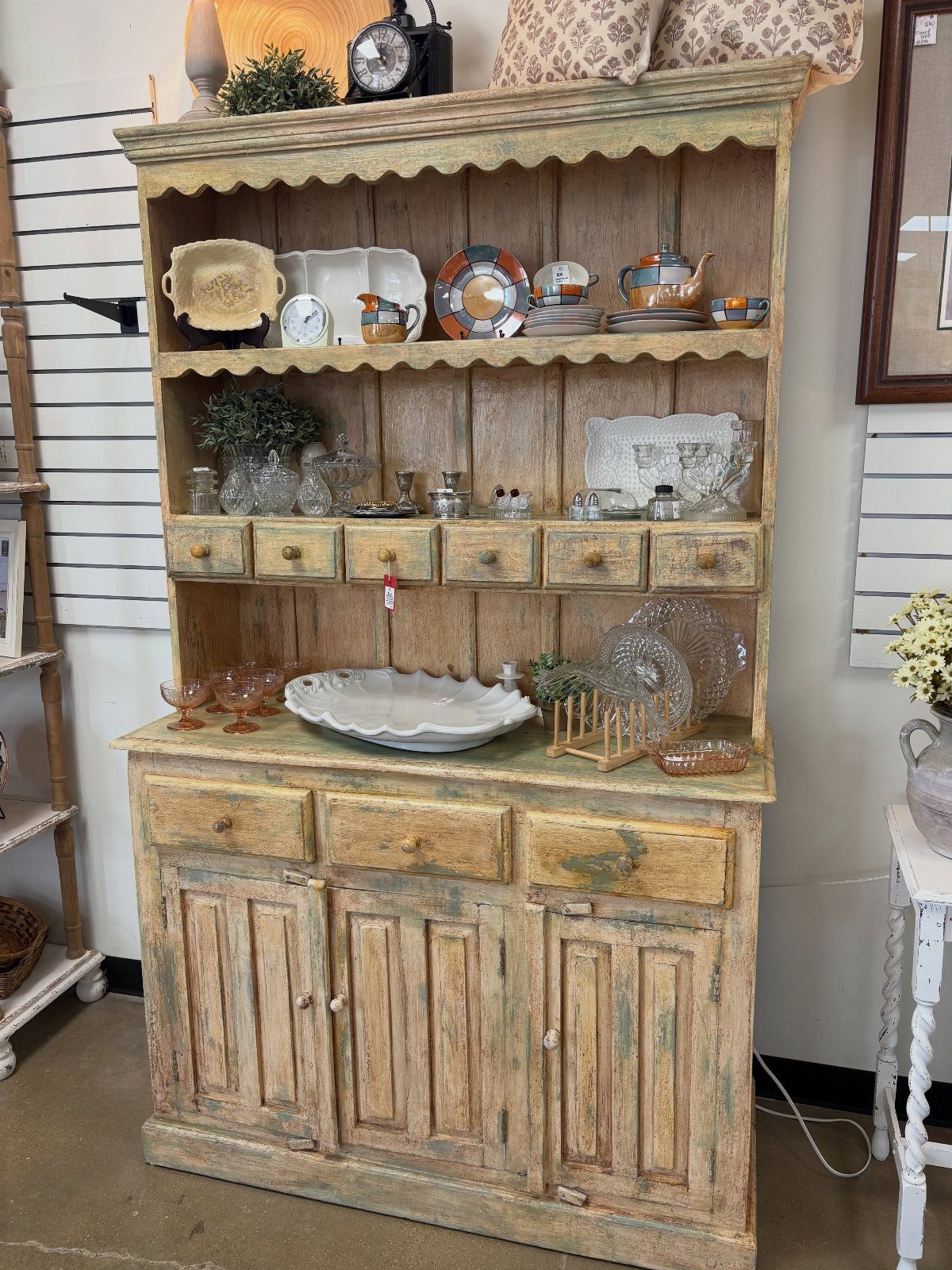
Small drawers paired with lower cupboards give a hutch flexibility. Drawers hold utensils, linens or small serving pieces; cupboards take larger items out of sight.
I prefer this layout in a kitchen or dining room where the hutch does daily work. Flatware, napkins and pot holders go in the drawers, while serving platters and bowls stay behind the doors below.
The number of drawers varies.
Some hutches hold two or three shallow ones; others stack four or more. Deeper drawers suit storage, shallow ones suit sorting.
5. Farmhouse Kitchen Hutch
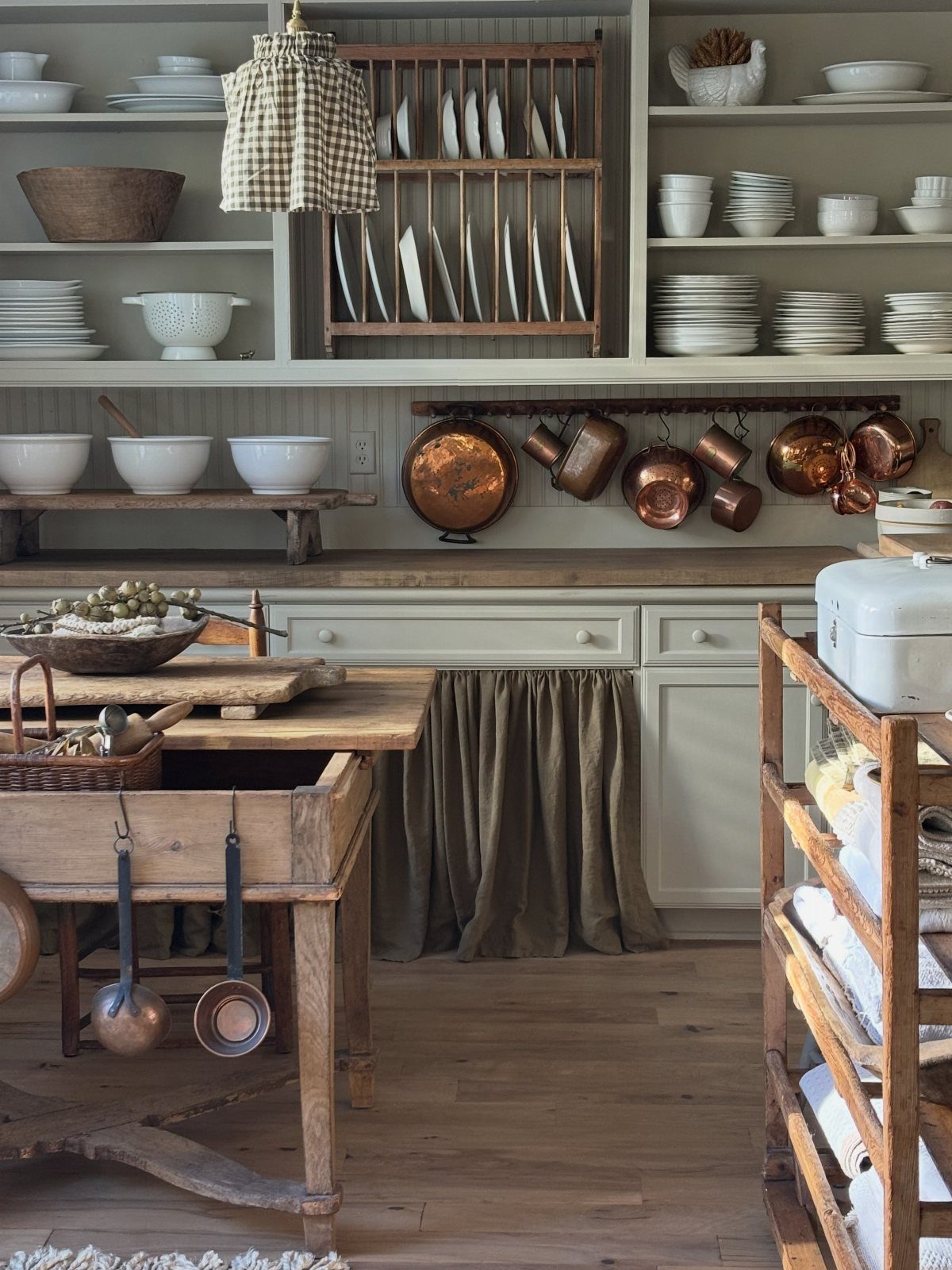
A hutch like this adds the kind of detail you’d expect in a farmhouse kitchen without the renovation. The style leans rustic, with open shelves, plank-backed walls and space for hanging cookware.
This version works when the hutch becomes part of the room rather than a freestanding piece. Built-ins give you more control over size and placement, and the shelves can span wider without sagging.
Paint the hutch to match the cabinets, or leave the wood unfinished for contrast. Copper pots, stoneware crocks and ironstone plates suit the look.
6. Scalloped Trim
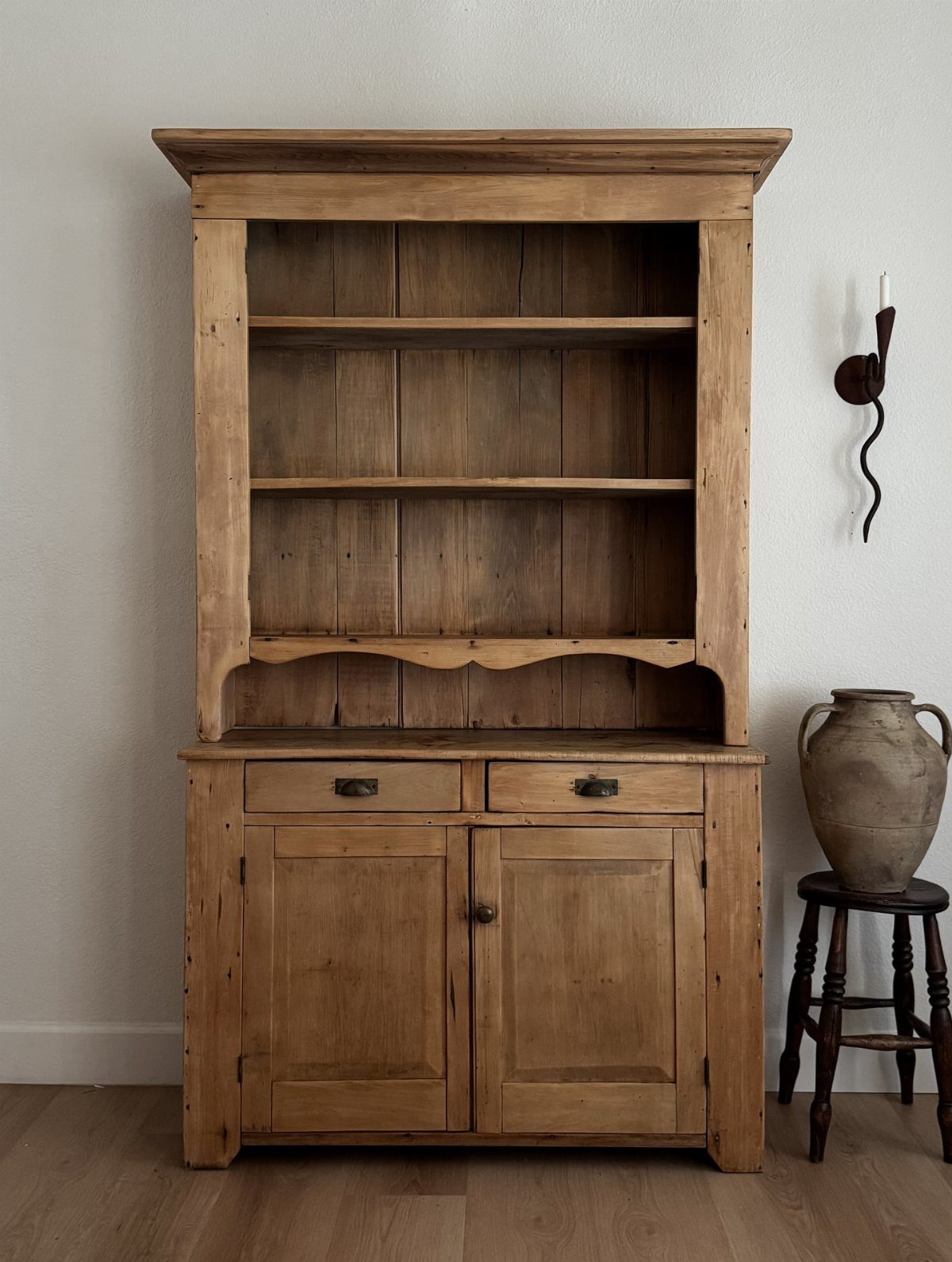
Scalloped edges soften the lines of a hutch. The curves run along shelf fronts, aprons or trim, and they show up most often on older pieces or rustic builds.
This detail suits cottage and farmhouse styles, where decorative cutwork feels at home. The scallops add handmade charm without covering much surface, so they work even on a simple piece.
If you are building or refinishing a hutch, cut the scallops with a jigsaw. Mark the curve with a template first, then sand the edge smooth after cutting.
7. Sage Green Hutch Makeover
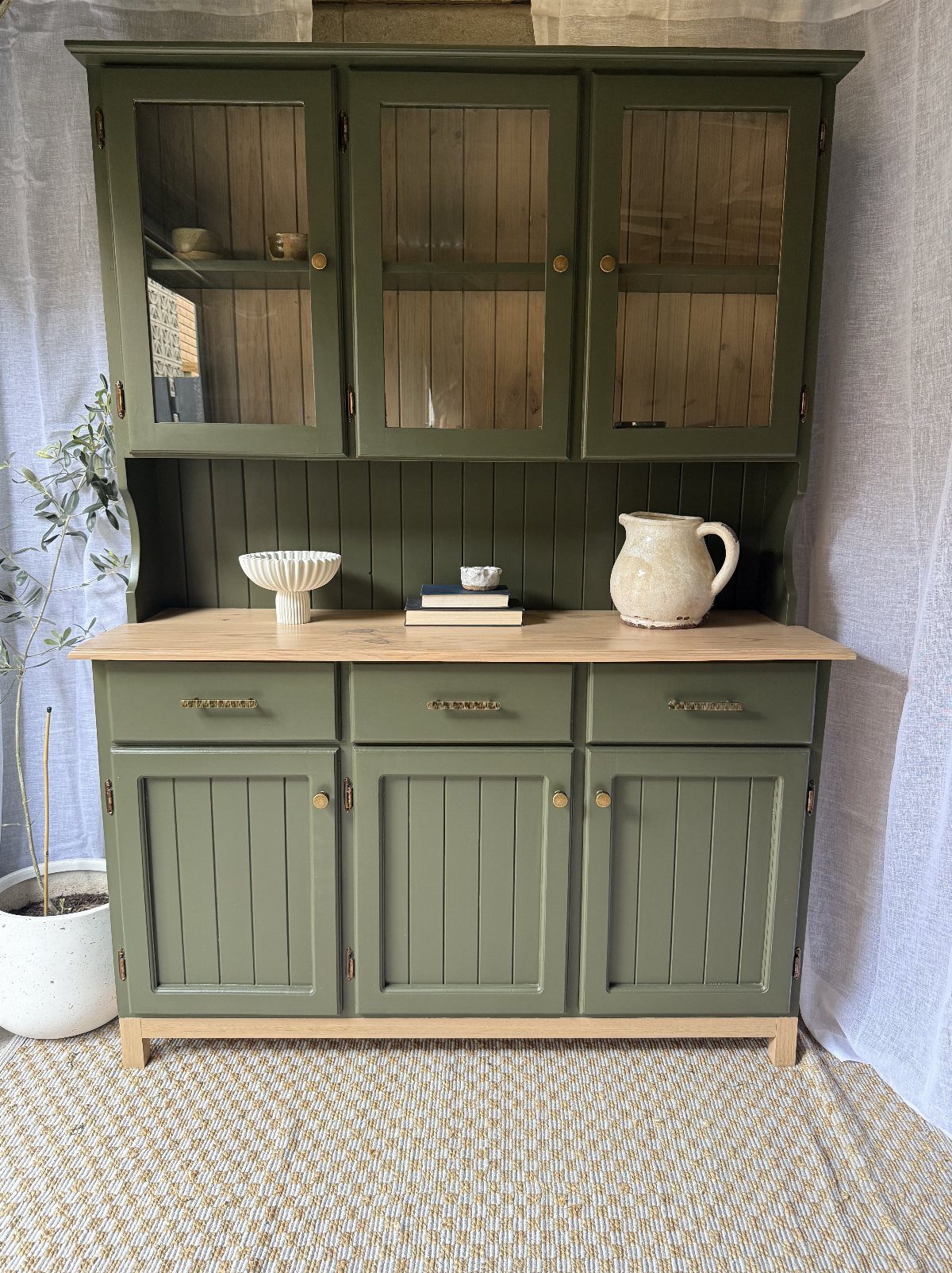
Paint softens a dated hutch without replacing it. Sage green sits neutral enough for most kitchens while adding color a natural finish cannot.
Strip or sand the surface lightly before painting so the finish sticks. 2 coats of furniture paint usually cover well, and a topcoat adds durability if the hutch sees daily use.
Leave the countertop or interior shelves unpainted for contrast. The mix of painted wood and raw grain keeps the piece from looking flat.
8. Natural Wood Finish
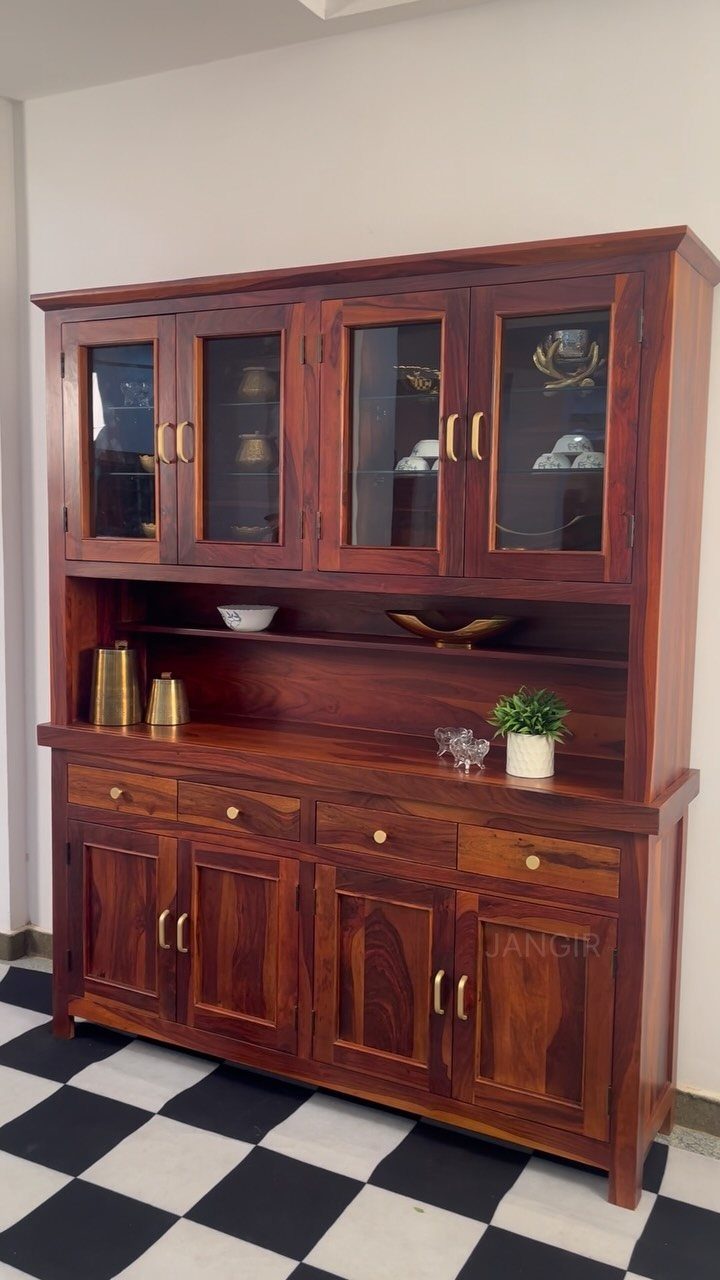
A wood finish shows the grain and lets the hutch age visibly. Oak, walnut and cherry all darken over time, and the patina becomes part of the piece.
This look suits dining rooms where the hutch anchors the space rather than blending into cabinetry. The finish reads formal, so it pairs best with traditional furniture.
Condition the wood annually with furniture oil or wax. The finish will dull without it, and dried-out wood cracks more easily than maintained pieces.
9. Painted Hutch
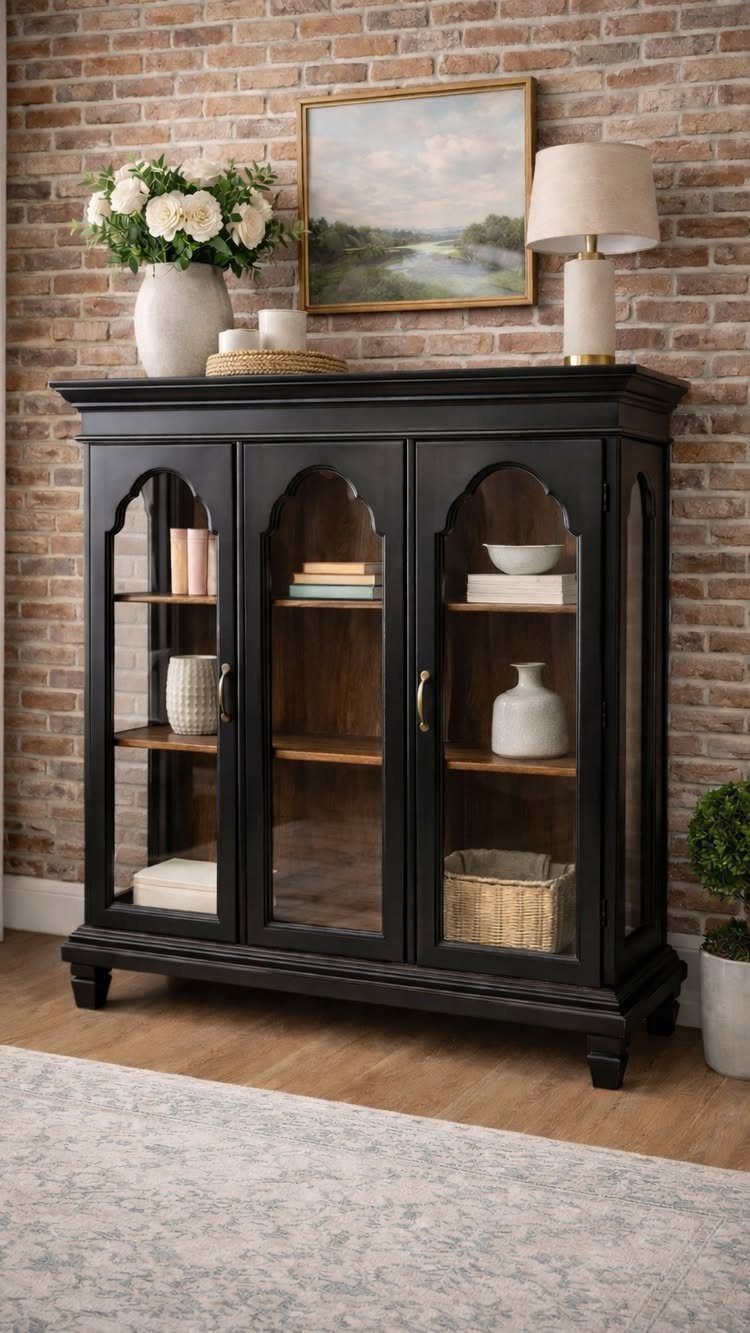
Painted hutches fit kitchens where cabinetry already sets the palette. Black, white, navy and gray all work, and the color hides wear better than a stained finish shows it.
Separating a tall hutch into 2 pieces makes the upper cabinet easier to move and refinish.
If you plan to repurpose the top as standalone storage, add a base so it sits stable and a finished surface on top for display.
Prime bare wood before painting. Tannins bleed through latex paint without a barrier coat, and the stains show within weeks.
10. Hutch with Blue-and-White Ceramics
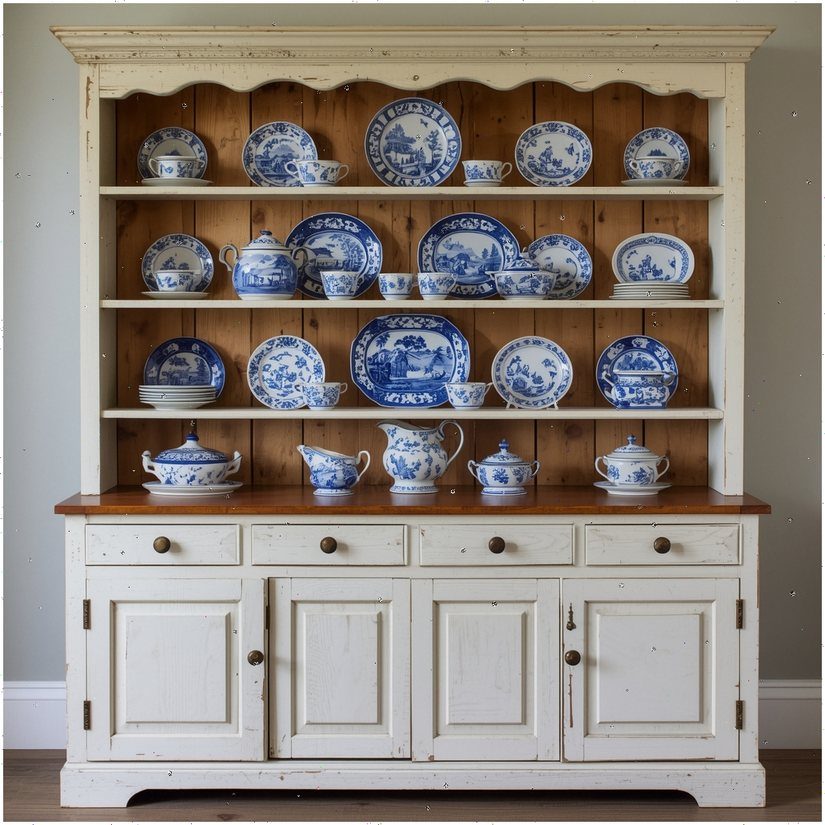
Blue-and-white ceramics group well because the palette stays consistent even when the patterns differ. Plates, bowls and pitchers from different makers look collected rather than mismatched when the colors match.
Fill the shelves by type or by height.
Plates stand upright in rows; bowls and pitchers sit forward where you can reach them. Leave some open space so the display does not look crowded.
Wipe the ceramics monthly. Dust settles faster on open shelves than behind glass.
11. Antique Oak Hutch
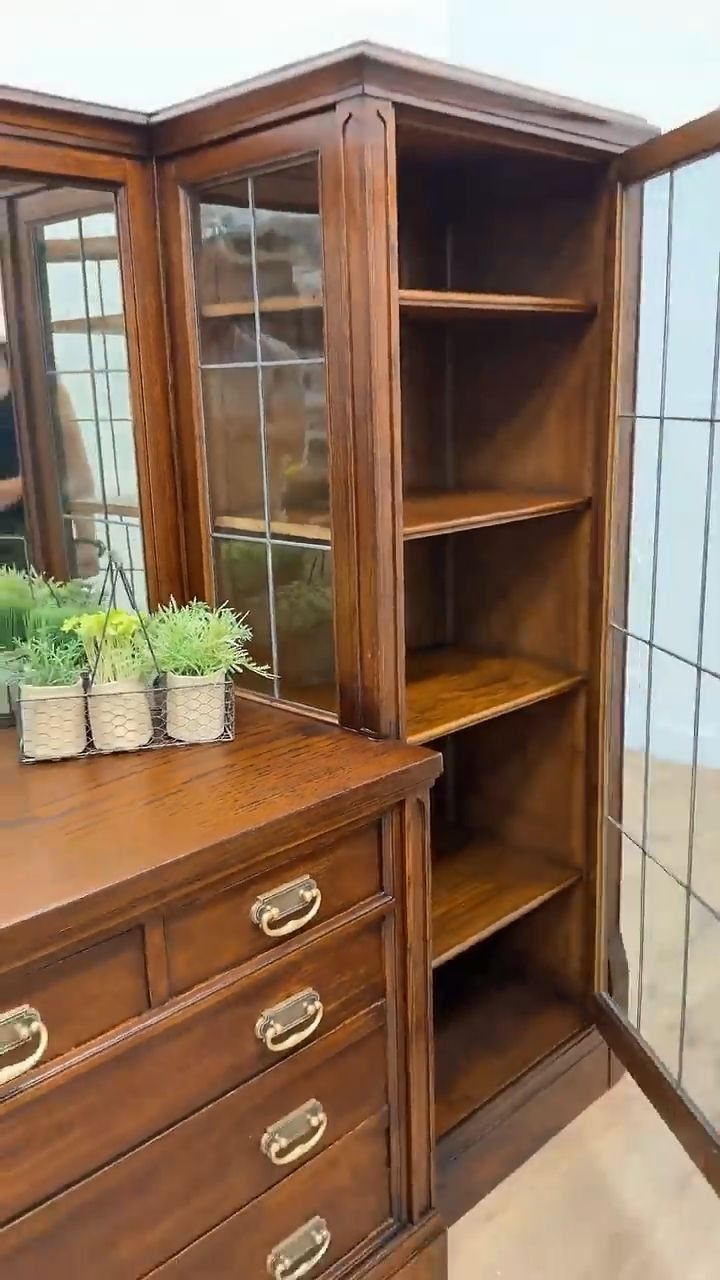
Oak hutches built for traditional dining rooms run wide, scaled to the floor space those rooms once had. The size gives you storage, but it also means the piece dominates the room.
Glass doors on the upper cabinets let you display china without exposing it to grease or dust. The lower drawers and cupboards hold linens, flatware and serving pieces you use less often.
Check the back panel and the drawer joints before buying. Old glue dries out, and a loose joint needs repair before the hutch holds weight.
12. Repurposed Hutch Top Cabinet
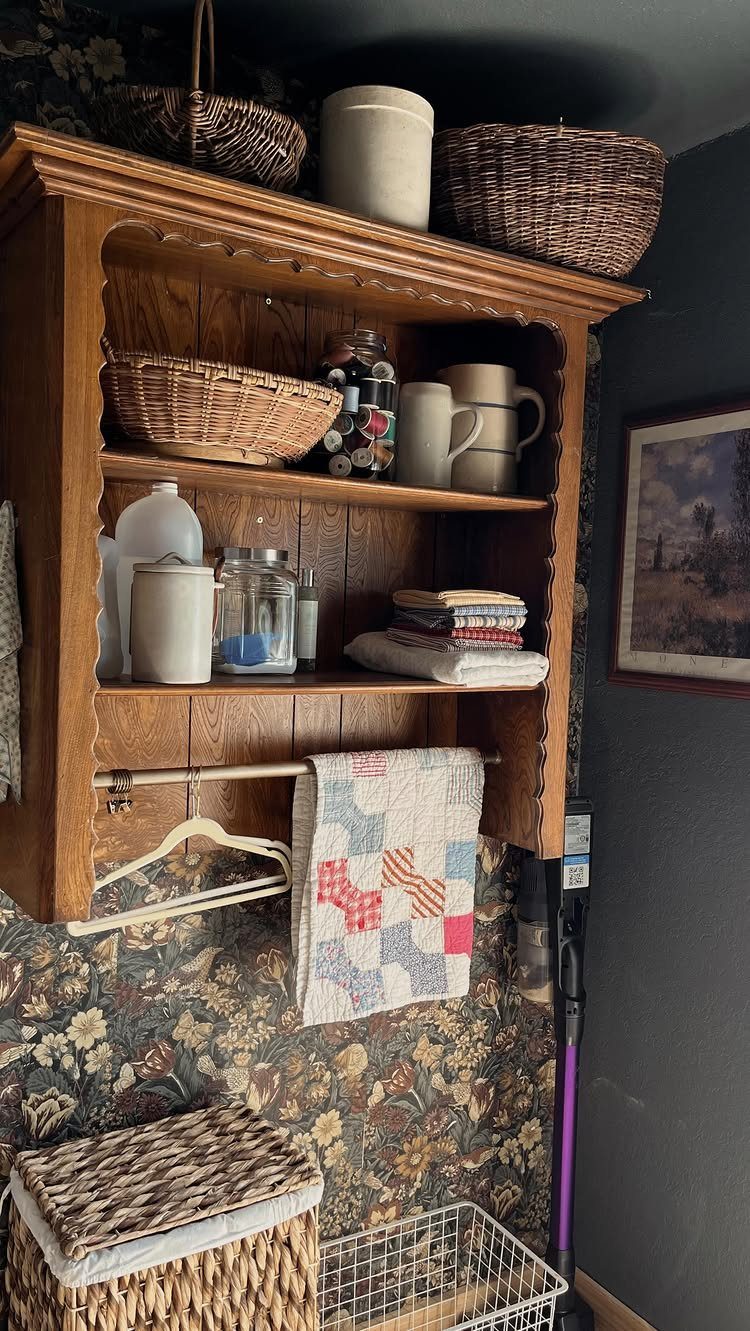
Mounting the upper section of a two-piece hutch turns it into wall storage. Brackets or cleats hold the cabinet in place, and the shelves stay useful without the base below.
This works in a laundry room, pantry or bathroom where floor space matters more than a full hutch. Baskets, jars and folded linens all fit inside, and the cabinet keeps them off the counter.
Anchor the cabinet into studs. Drywall alone will not hold the weight once you load the shelves.
13. Dark Wood Hutch
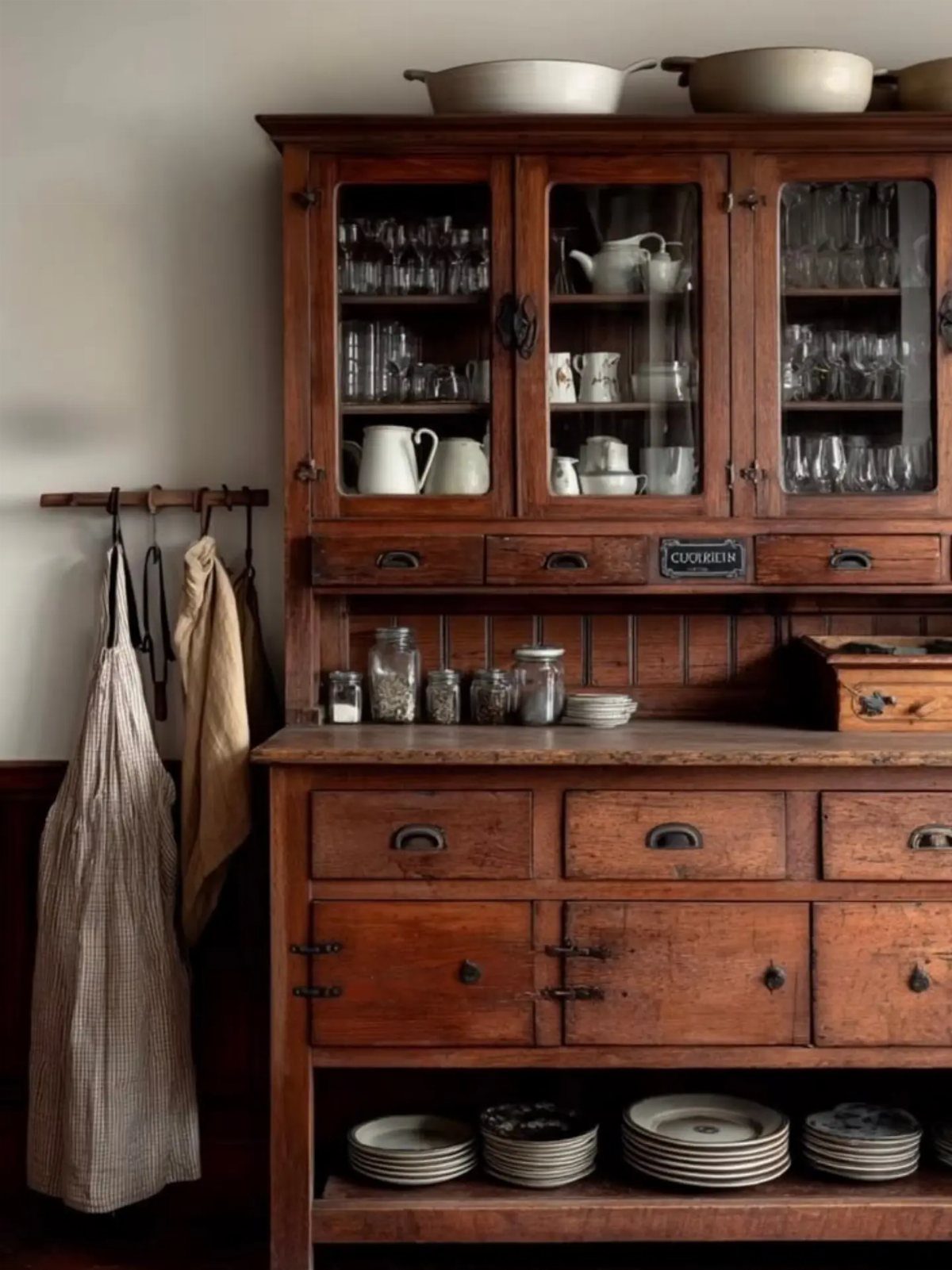
Dark stain gives the hutch weight and formality. Walnut, mahogany or stained oak all read deeper than a natural finish, and the color hides scratches better than lighter wood shows them.
This finish suits dining rooms where the hutch serves as a focal point. The dark tone stands out against light walls and makes glass-front cabinets more visible.
Dust shows faster on dark finishes. Wipe the surface weekly with a dry cloth to keep it from looking dull.
14. Pine Hutch
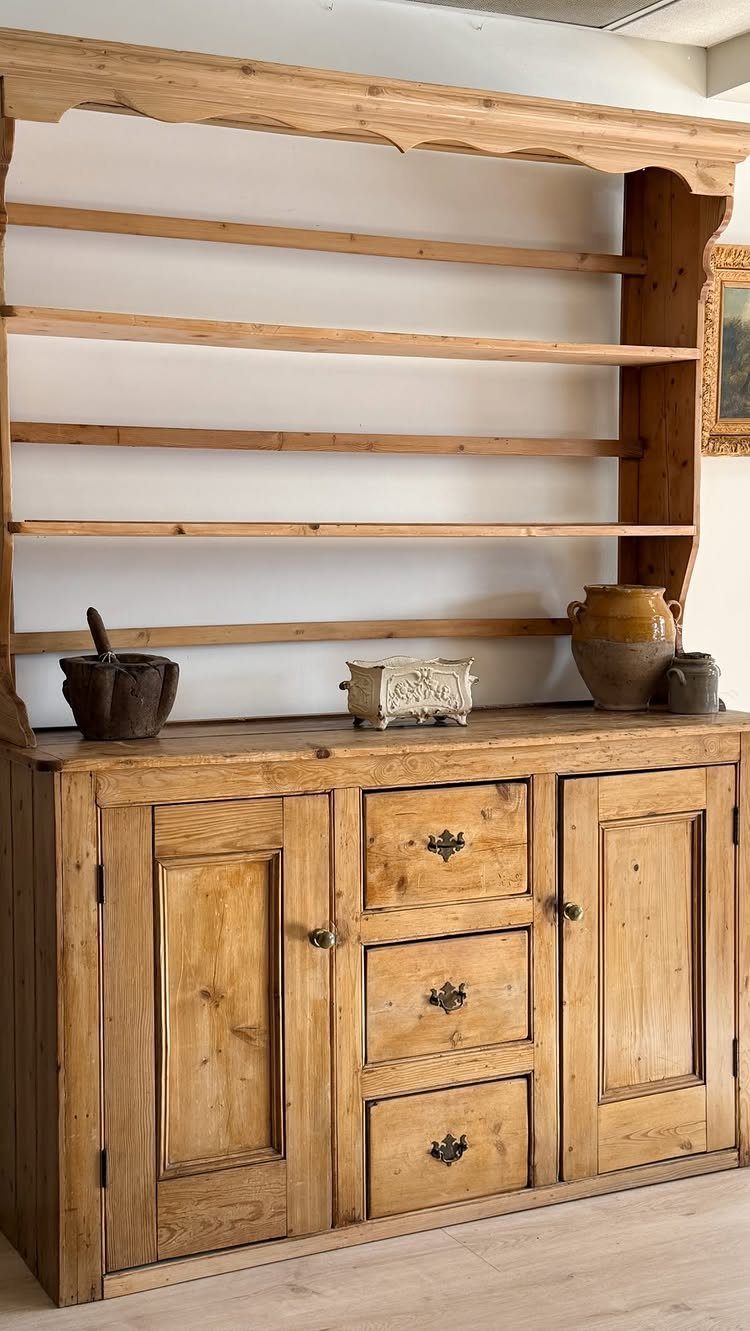
Pine runs lighter than oak or walnut, with a soft grain that takes stain unevenly. Left natural, it ages to a warm honey tone.
The wood dents more easily than hardwood, so expect wear on edges and drawer fronts if the hutch sits in a busy kitchen.
That softness also makes pine easier to work with if you plan to add shelves or modify the piece.
Seal bare pine with polyurethane or furniture wax. Unfinished wood absorbs moisture and stains from spills.
15. Arched Cabinet Doors
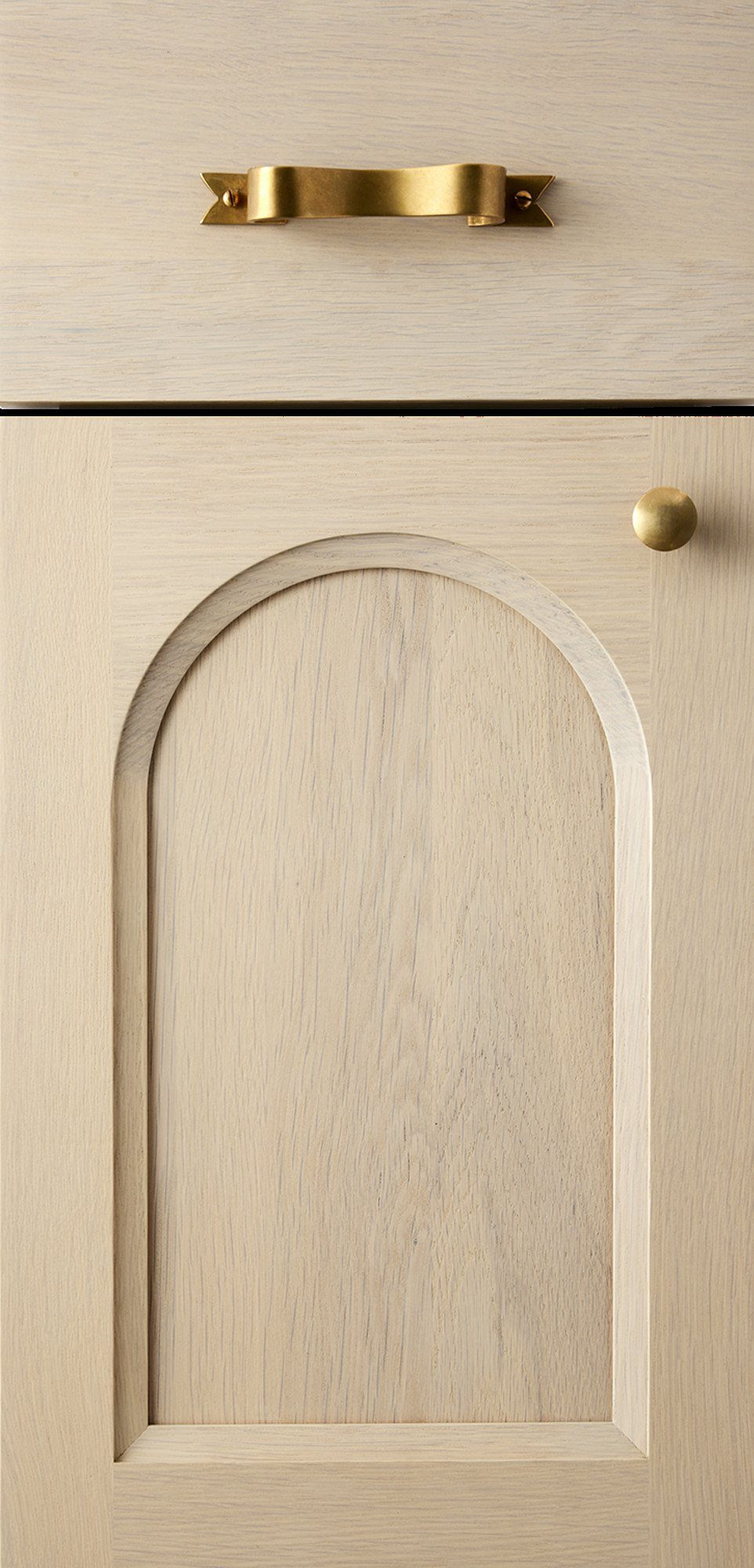
Arched panels give lower cabinet doors a traditional profile. The curve sits inside the frame as a raised or recessed panel, and the detail adds shape while the footprint stays the same.
This style suits hutches with flat or plain upper cabinets. The arches break up the vertical lines and keep the base from looking boxy.
Look for solid-wood doors if the hutch is old. Newer pieces sometimes use veneer over plywood, which chips more easily at the edges.
16. Hutch with Interior Glass Shelves
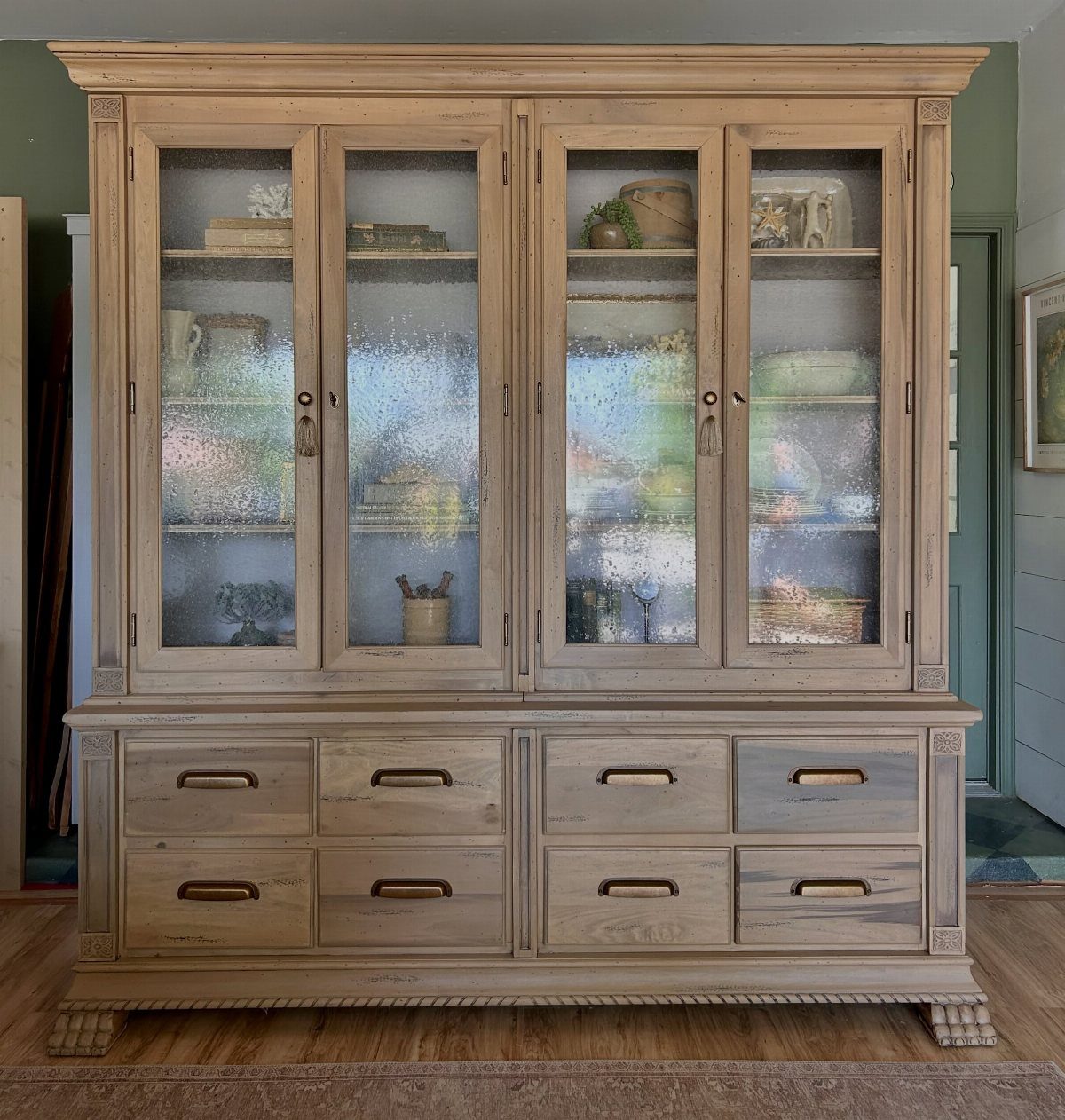
Glass shelves inside a hutch let light reach the back wall. Plates, bowls and glassware sit visible from all sides, and the shelves themselves disappear unless you look closely.
This setup works best for display rather than daily storage.
Glass holds weight, but it scratches easily and shows every smudge. Clean the shelves with glass cleaner and a soft cloth.
Check that the shelves rest on pegs or brackets rated for the load. A full shelf of stoneware weighs more than the glass alone.
17. Wood Hutch with Countertop
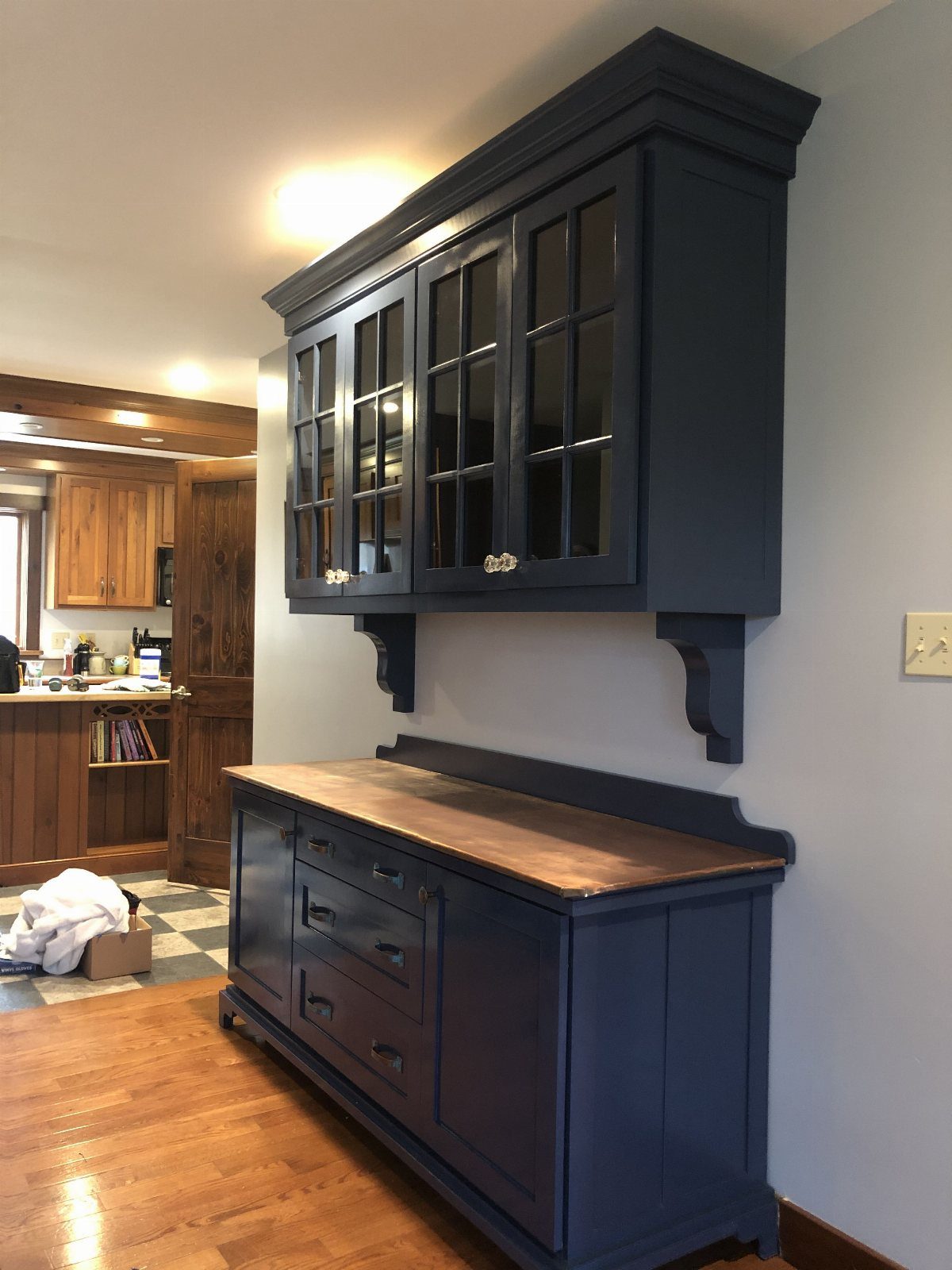
A countertop between the upper and lower sections turns the hutch into a working surface. The flat plane holds lamps, trays or small appliances, and it divides storage from display.
This layout suits kitchens where counter space runs short. Stack dishes above, tuck linens and utensils below, and use the middle for prep or serving.
Match the counter to the room rather than the hutch. Butcher block, tile or stone all work, and a contrasting surface keeps the piece from reading as one tall block.
18. Primitive Pine Hutch
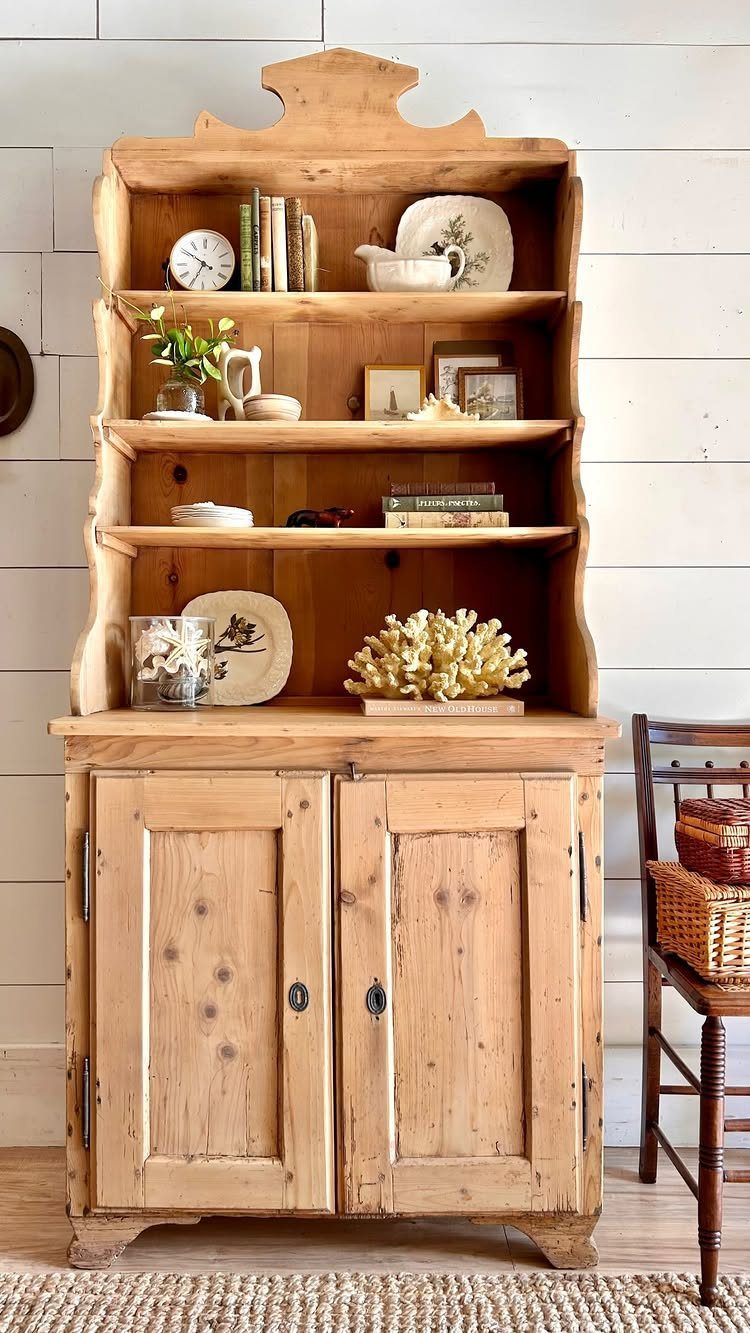
Primitive pine hutches lean simple. Thick boards, hand-cut joinery and minimal hardware give the piece a handmade look, and the proportions sit heavier than refined furniture.
This style fits cottages and farmhouses where rustic details already live. The open shelves hold pottery, baskets or linens, and the lower doors hide what does not suit display.
Look for mortise-and-tenon joints at the corners. Pegged construction holds better than nails or screws in older pieces.
19. Mirrored Back Panel
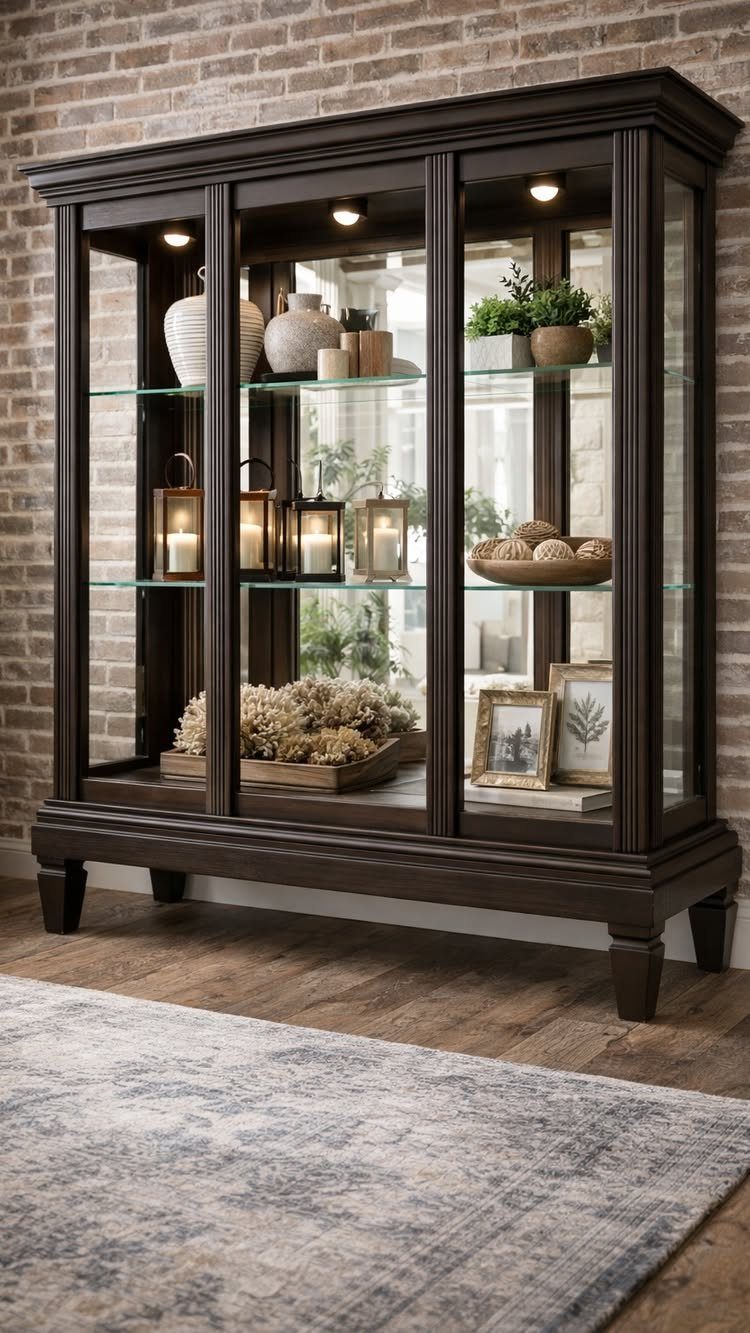
The mirror reflects light and makes the hutch contents look deeper than the shelves actually sit. Plates, glass and silver all catch the reflection, so the display reads layered even when you only stack one row deep.
This works best behind glass doors. An open hutch collects dust on the mirror, and streaks show every time you reach past it.
Fingerprints transfer from the items you handle, and the smudges dull the reflection.
20. Chippy Painted Finish
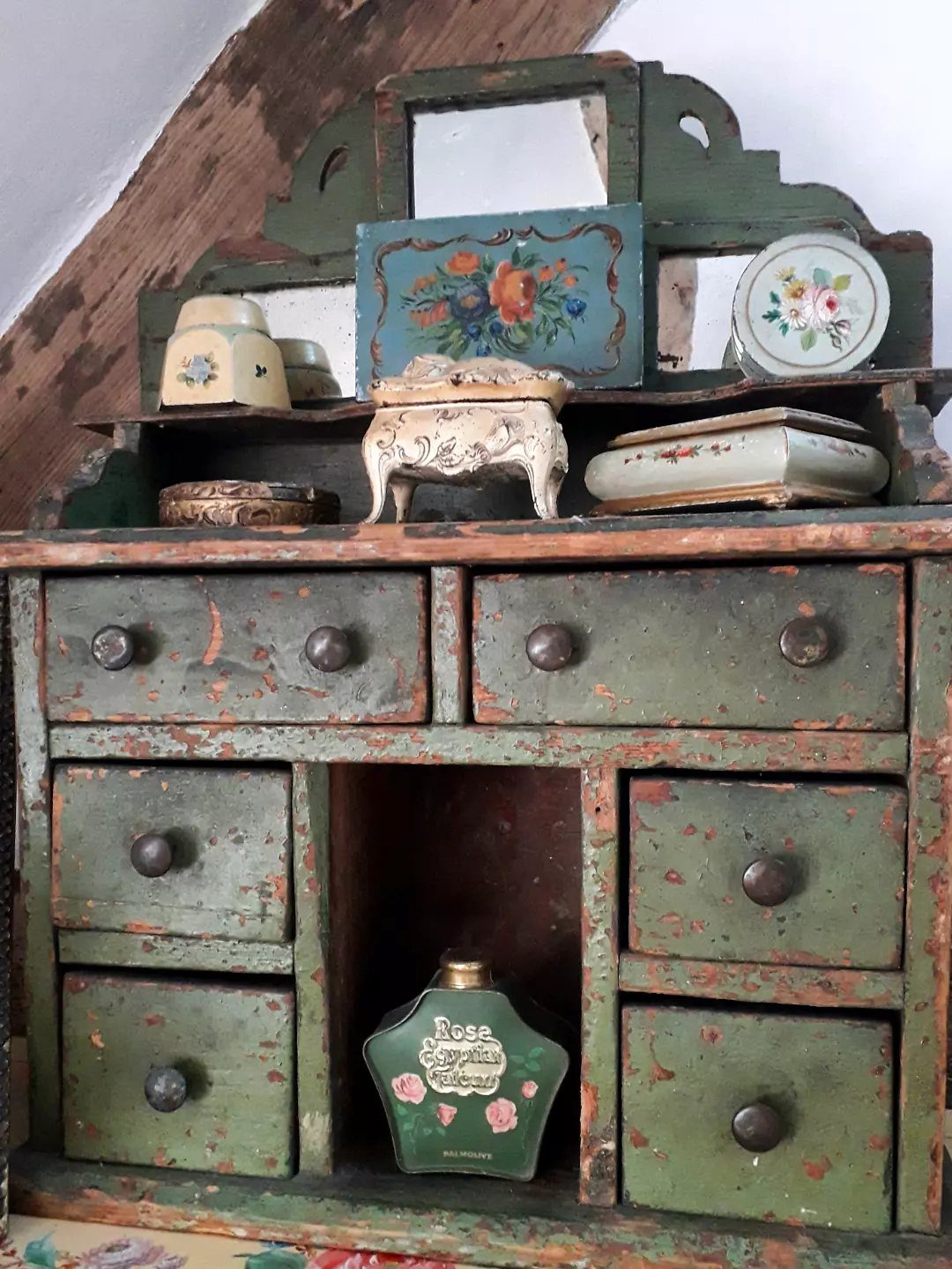
Worn paint shows the wood underneath where edges get handled most. The finish looks aged without stripping the piece down to bare grain, and the unevenness adds character a fresh coat cannot.
You can replicate this by sanding through a top layer of paint in spots after it dries. Focus on corners, drawer pulls and shelf edges where real wear would happen, then seal the surface with wax.
Skip this look if the hutch sits in a kitchen where grease settles. Chippy finishes trap grime in the bare spots, and wiping them clean takes off more paint.
21. Hutch with Spice Drawers
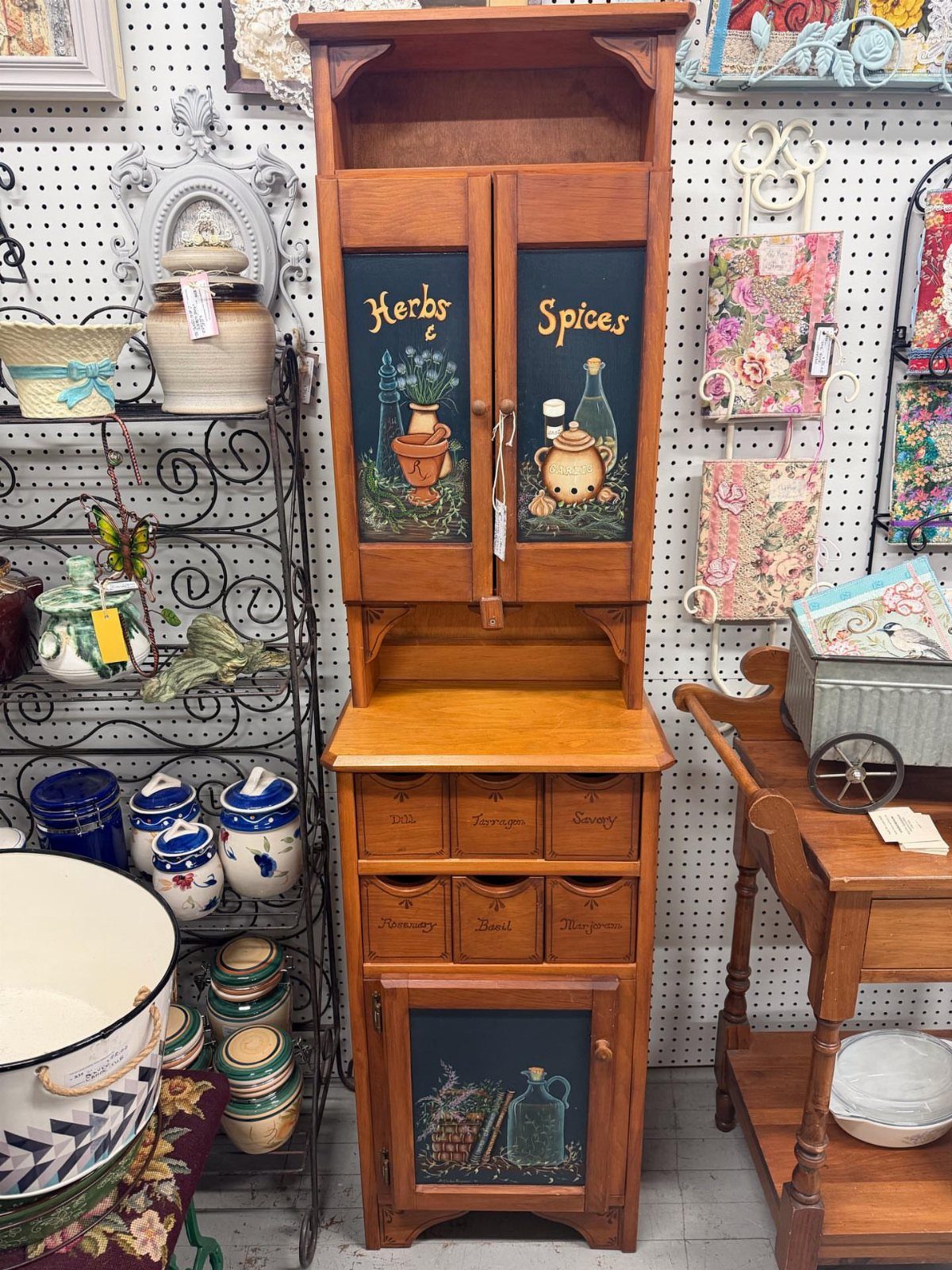
Rows of small drawers divide spices or herbs into separate compartments. Each drawer holds one or two jars, so you pull only what you need without sorting through a crowded cupboard.
This layout suits a pantry or a kitchen with limited counter storage. Label the drawer fronts or paint the names directly on the wood so you find what you need without opening every one.
Shallow drawers work better than deep ones. Stacking jars 2 high makes the back row hard to reach, and the drawer sticks when the weight shifts forward.
22. Corner Hutch
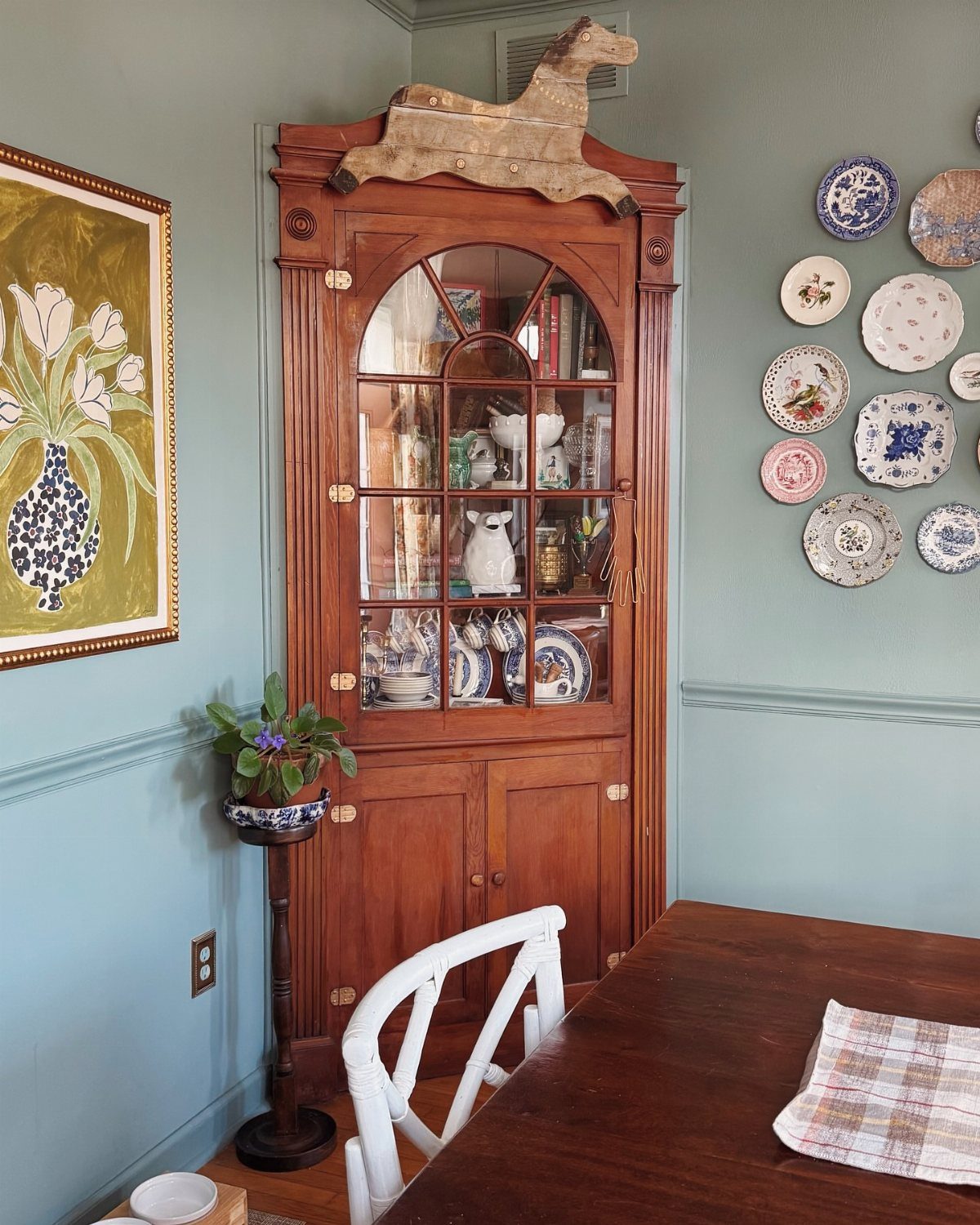
A corner hutch fits where a flat piece would block a doorway or window. The angled front follows the wall line, and the shelves use space that otherwise stays empty.
This style suits small dining rooms where a full hutch takes up too much floor area. The upper cabinets still hold dishes, and the lower section stores linens or serving pieces behind closed doors.
Measure the corner before buying. Some corner hutches sit shallow and narrow; others span wide enough to crowd the adjacent walls.
23. Hoosier Cupboard with Pull-Out Mixing Tray
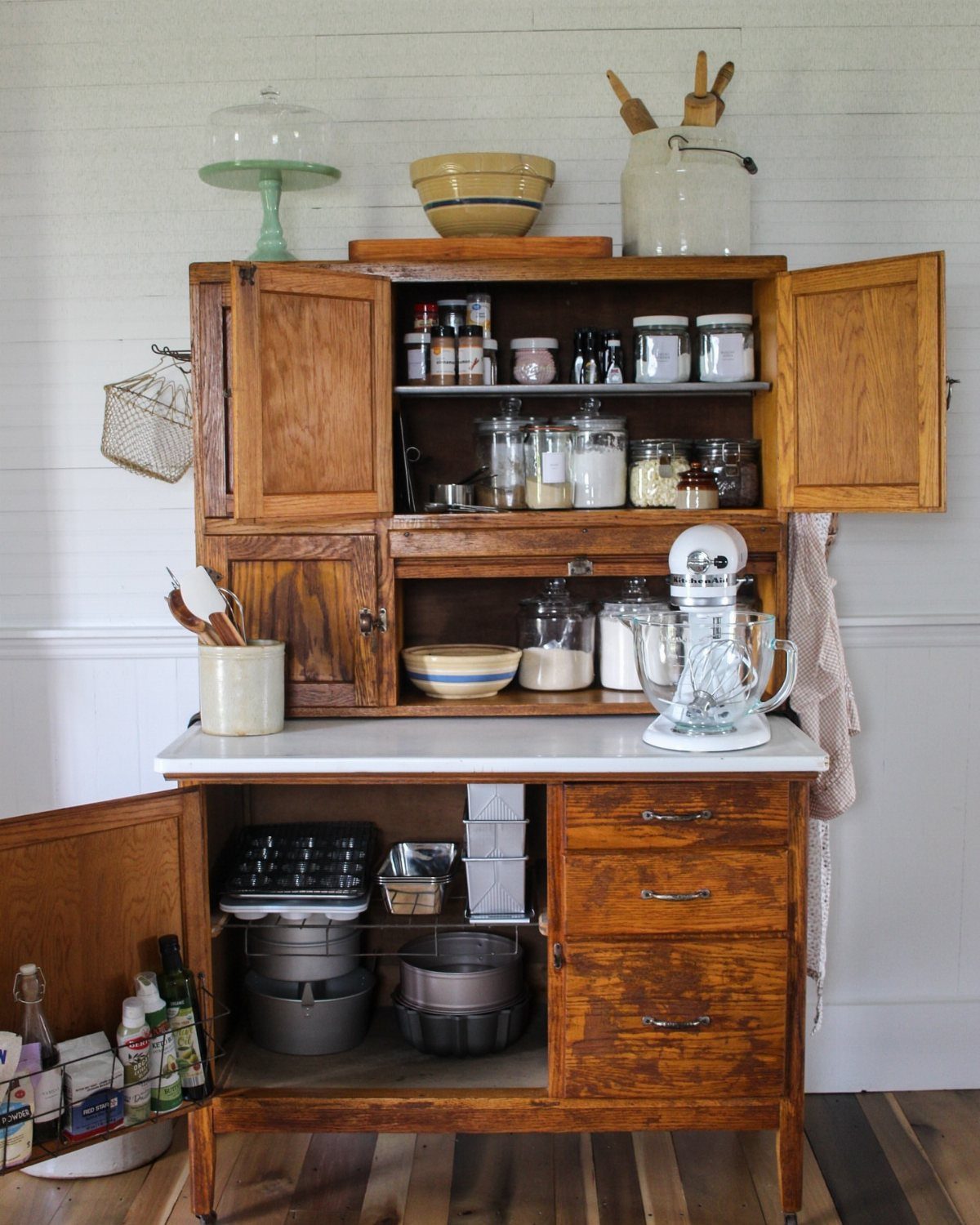
A pull-out tray slides forward from the counter height, giving you a flat surface for rolling dough or mixing batter. The tray sits just below the main work surface, so it stays out of the way until you need it.
This feature shows up in Hoosier-style cupboards built for small kitchens where counter space stayed scarce. The tray holds a stand mixer or a mixing bowl, and it pushes back when the work is done.
Check that the slides move smoothly before loading the tray. Old hardware sticks, and a heavy mixer can jam the mechanism or tip the cupboard forward if the tray does not lock in place.
24. Reclaimed Barnwood Hutch
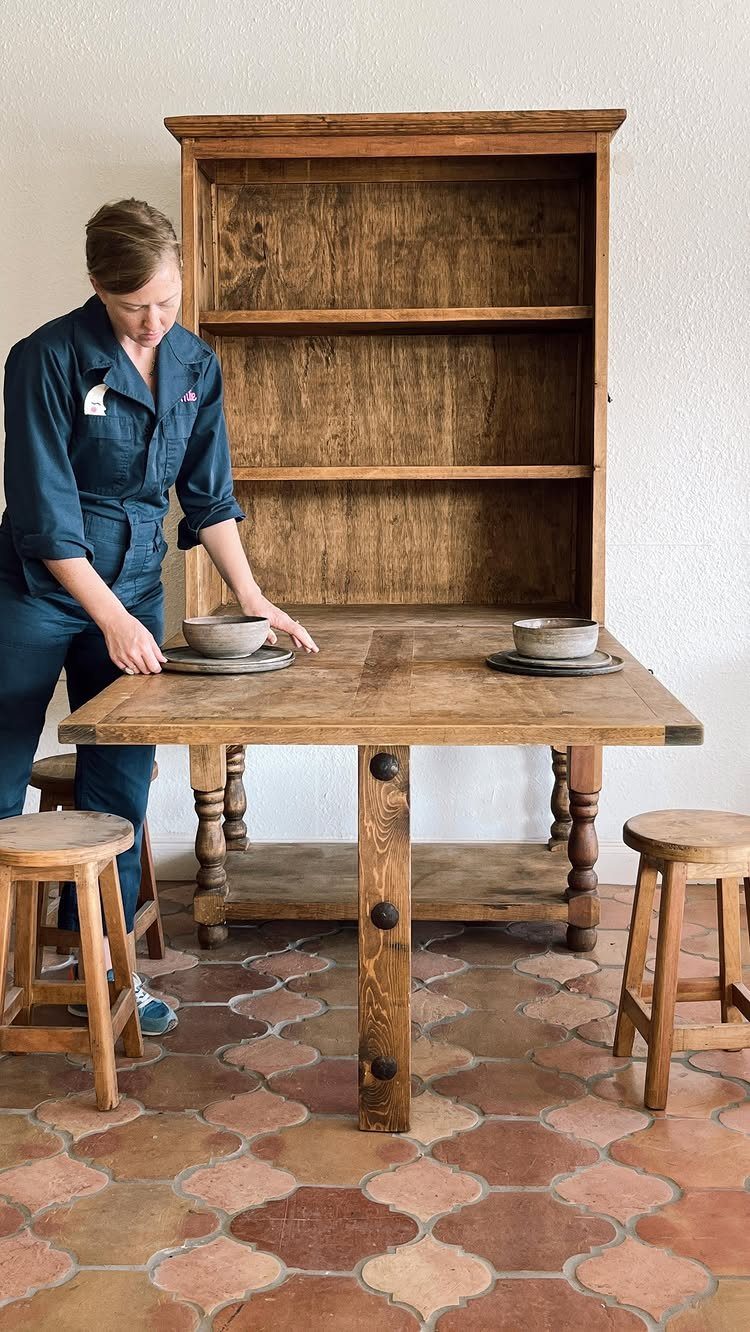
Barnwood carries the marks of its first life: nail holes, weathered grain and uneven color from years outdoors. A hutch built from reclaimed boards shows that history in every plank.
The wood often needs cleaning and planing before it goes into furniture, but the character stays. Gaps between boards, knots and saw marks all remain visible, and the finish reads rustic without looking unfinished.
Bare barnwood splinters easily, and unsealed surfaces absorb moisture and stains from daily use.
25. French Country Pine Hutch
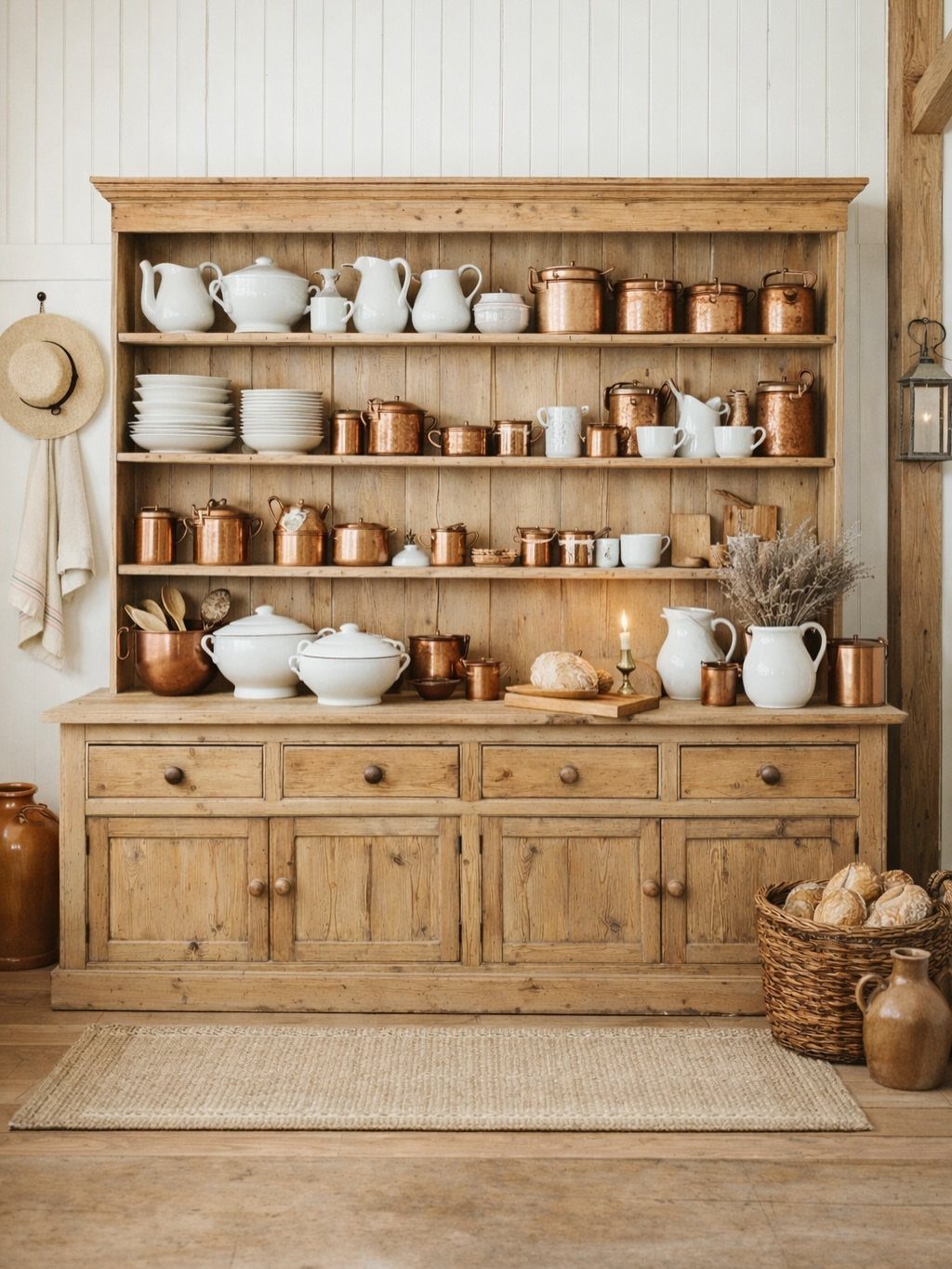
Open shelves let you reach dishes and cookware without opening a door. The plate rack holds dinner plates upright, and the lower surface gives you space for serving or prep.
This style suits kitchens where display matters as much as storage.
Pine lightens the piece compared to oak or walnut. Dust the shelves weekly so the open storage does not look cluttered.
26. French Vaisselier Hutch
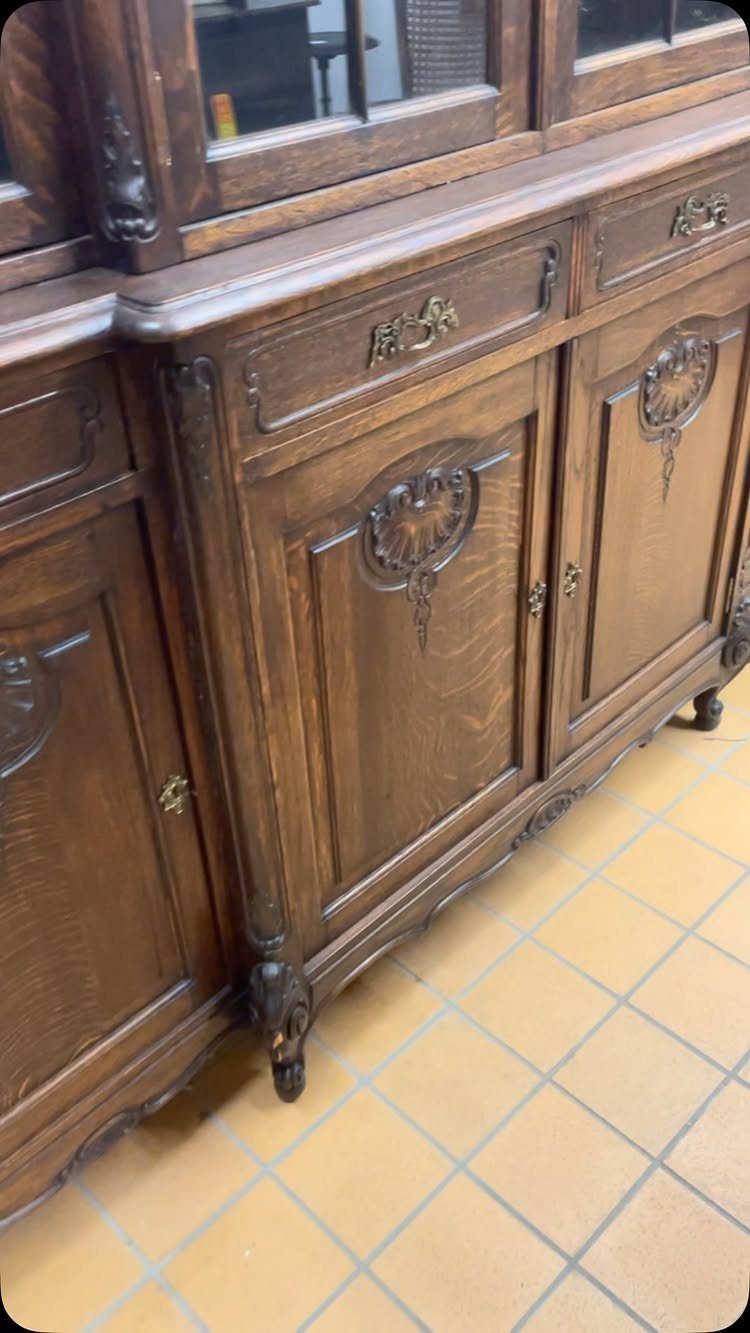
A vaisselier splits storage between glass-front upper cabinets and a solid buffet below.
Carved doors and decorative molding give the piece traditional detailing.
Check the finish on older pieces. Varnish yellows over time, and refinishing carved details takes patience.
27. Mid-century Teak Hutch
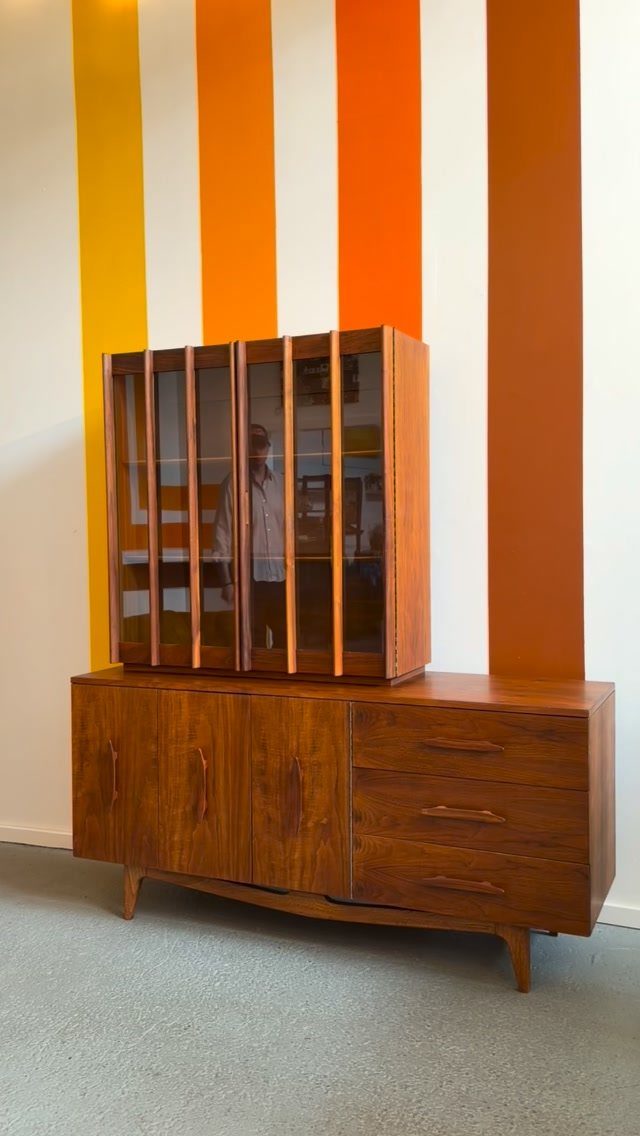
Teak ages to a deeper tone than lighter woods, and the grain shows through oil or lacquer finishes.
Mid-century pieces run lower and wider than traditional hutches, so the proportions fit living rooms or dining areas where height would crowd the ceiling.
Sliding glass doors save floor space in front of the cabinet. Drawers below hold flatware, napkins or paperwork, and the clean lines keep the piece from looking heavy even when the wood runs dark.
Oil teak annually to keep the finish from drying out.
28. Lane Brutalist Hutch
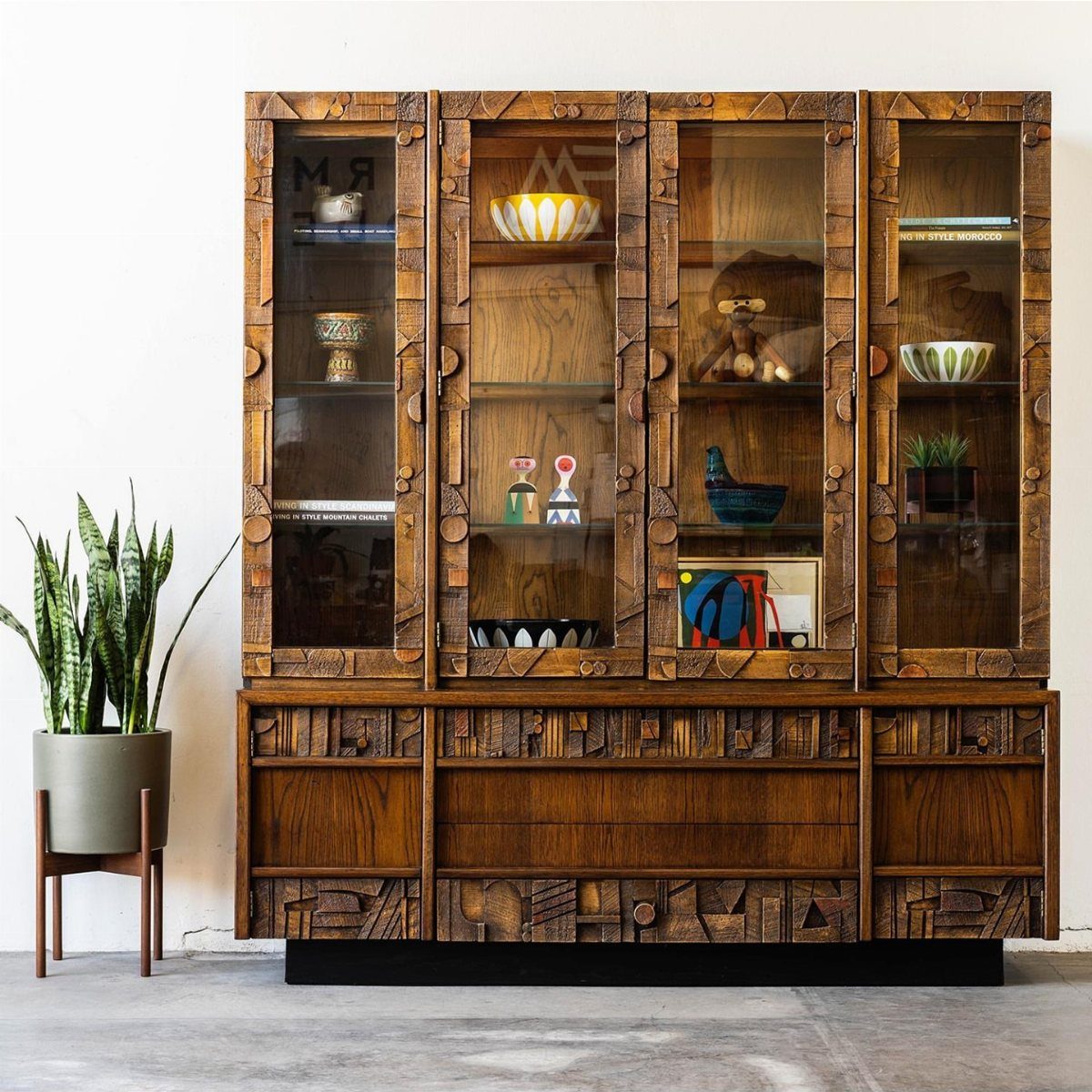
Lane’s Staccato line pairs a carved credenza base with a glass display cabinet. The geometric relief on the lower doors adds texture, and the upper section keeps glassware or collectibles visible while leaving the walls clear.
This style fits mid-century interiors where sculptural furniture already lives. The contrast between the solid base and the glass top gives you closed storage and display in one piece.
The carved fronts trap dust in the grooves. Wipe them with a dry brush before cleaning the wood.
29. French Fruitwood Hutch
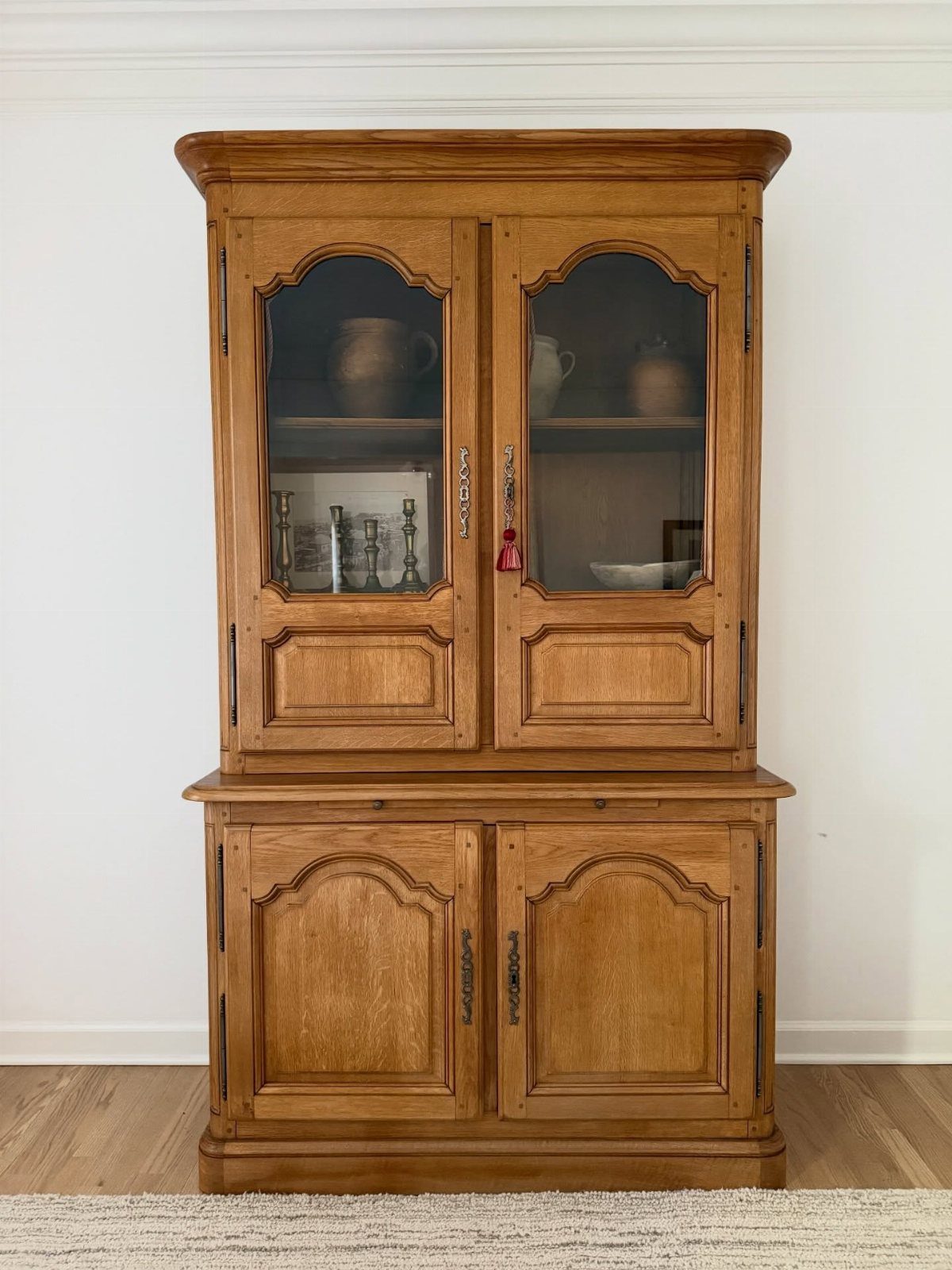
French hutches built as single units sit taller than two-piece designs, so the upper cabinet reaches higher without a separate base.
Arched glass doors soften the lines and let you display ceramics or glassware.
Check your ceiling height before you buy. A one-piece hutch does not break down for moving, and doorways can block entry.
30. Hutch with Interior Light
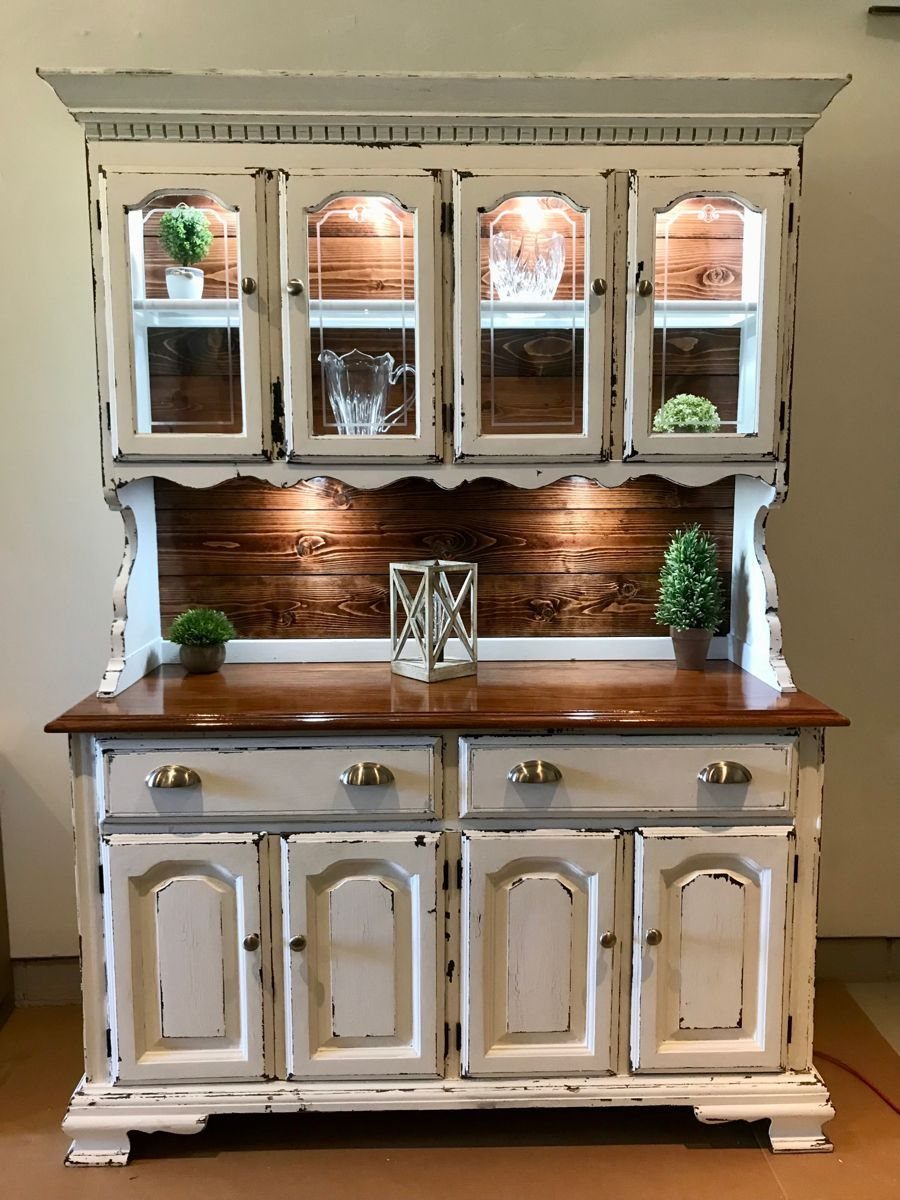
A light inside the cabinet makes glassware and ceramics easier to see. The fixture mounts to the top or back panel, and the bulb stays hidden behind a valance or trim so only the glow shows.
This works best with glass shelves or a light-colored back. Dark wood absorbs the light, and opaque shelves block it from reaching the lower half.
Wire the light to a switch or a plug outside the cabinet. Battery-powered puck lights work, but they dim as the charge drops and need replacing every few months.
31. Danish Credenza Hutch
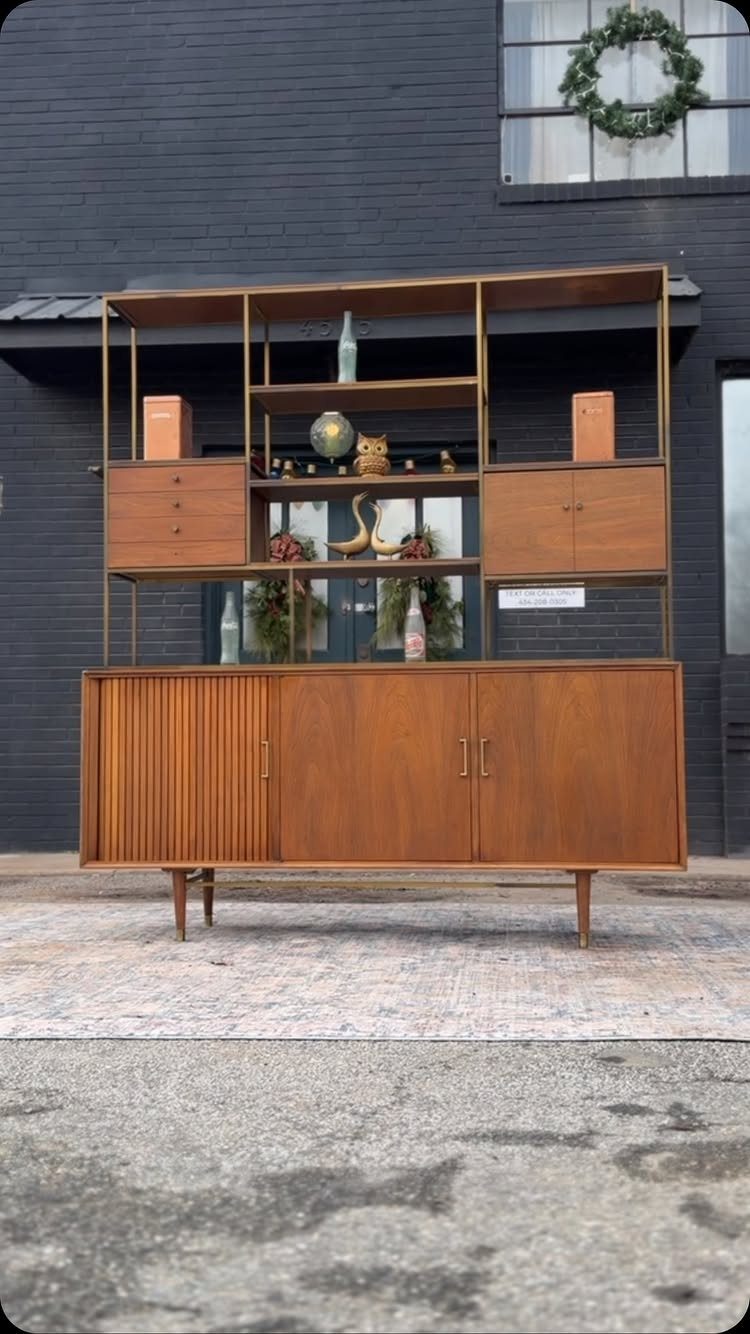
The upper section floats above the base or mounts to the wall separately. This breaks the visual line and keeps the credenza low enough to sit under a window while the shelves climb higher.
Scandinavian pieces often paired a credenza with a modular shelving system rather than a fixed hutch. You can buy the base alone and add the top later if you find a matching unit.
Look for makers like Poul Cadovius or String. The slatted doors hide storage while the open shelves hold books or glassware.
32. Scandinavian Teak Sideboard
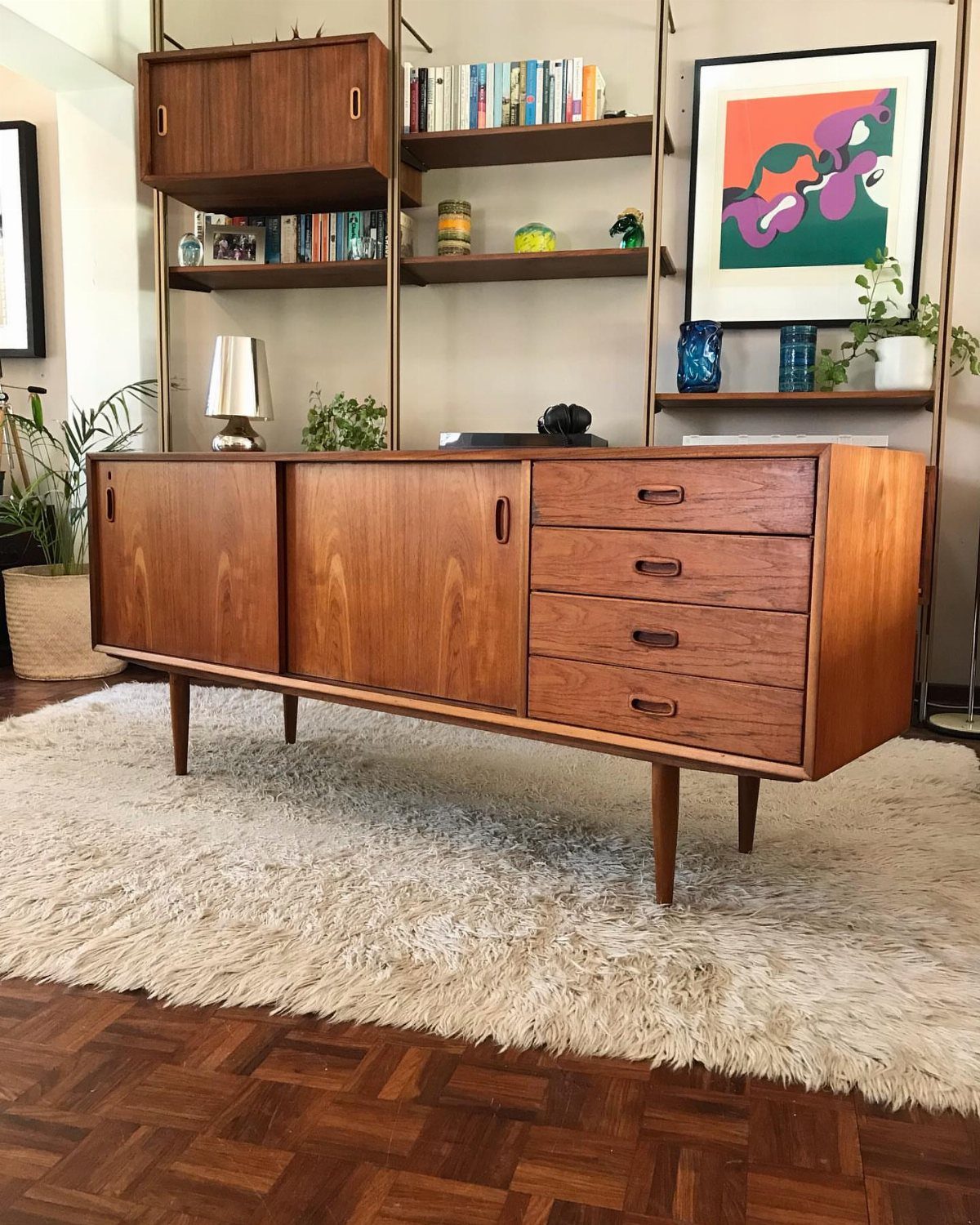
The handles recess into the wood, and the doors track left or right instead of swinging outward.
Teak holds up better than lighter woods in humid climates. The oil finish resists water, but it dulls over time and needs reapplication every year or two.
Wall-mounted hutches sit lighter than freestanding pieces. Anchor the upper section to studs so the weight of dishes does not pull the cabinet off the wall.
33. Walnut Server with Hutch
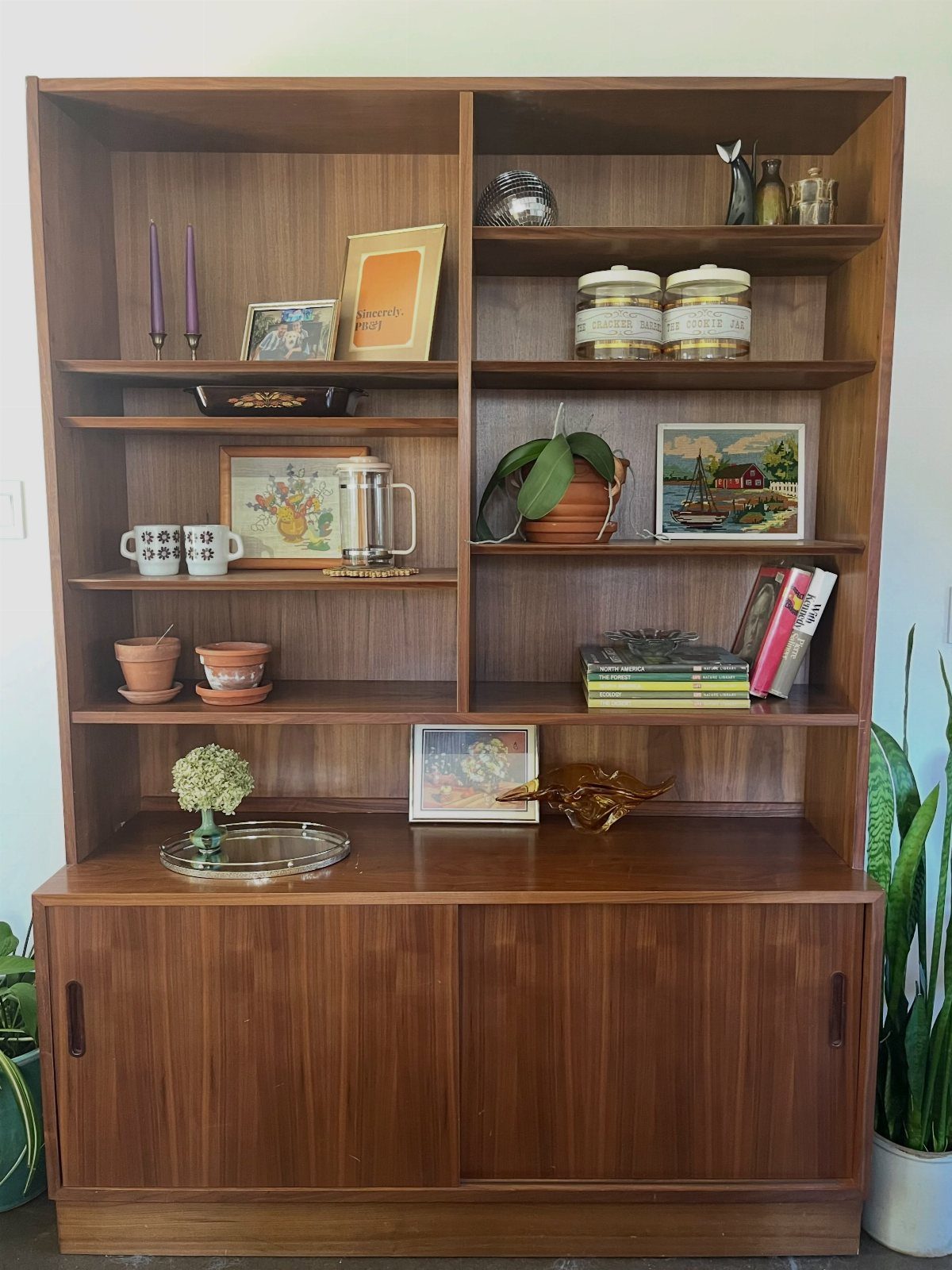
The walnut grain shows darkest in the doors and drawer fronts, and the open hutch keeps the piece from looking too heavy.
This layout suits a living room or dining area where you want both hidden storage and display. Stack linens or serve ware in the base, and use the shelves for books, plants or ceramics.
Walnut scratches less easily than softer woods, but it still dents where you knock into corners or drawer pulls. Felt pads under dishes protect the shelves.
34. French Louis XV Hutch
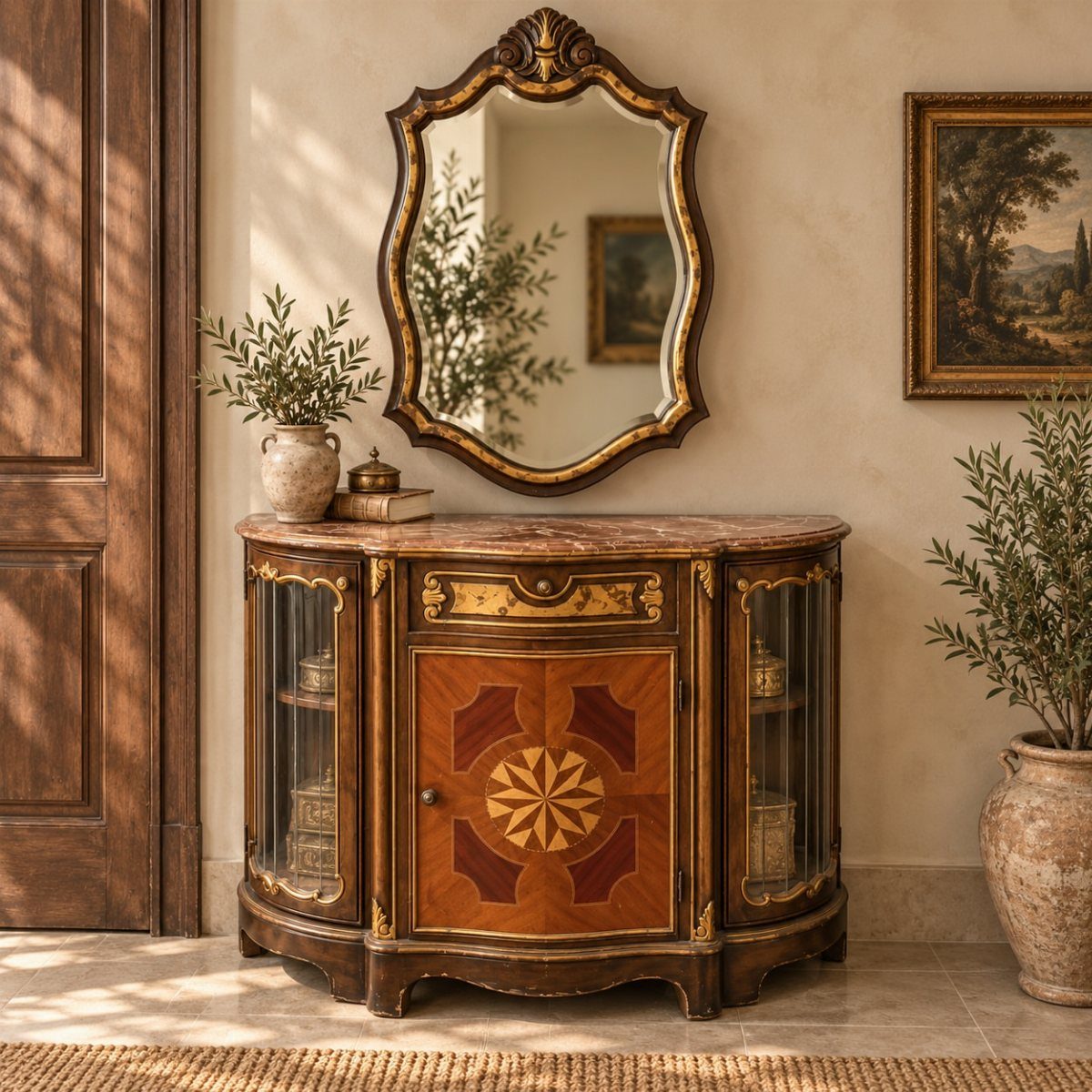
Cabriole legs and carved aprons mark French Louis XV furniture. The curves run heavier than Louis XVI pieces, and the wood often sits under a dark stain or gilded accents.
A marble top adds weight and formality. The stone resists heat and moisture better than wood, so you can set down a hot dish or a wet vase without leaving a ring.
The carved doors and brass hardware read traditional, and the piece takes up floor space a simpler hutch would not.
35. Oyster White Swedish Secretary Hutch
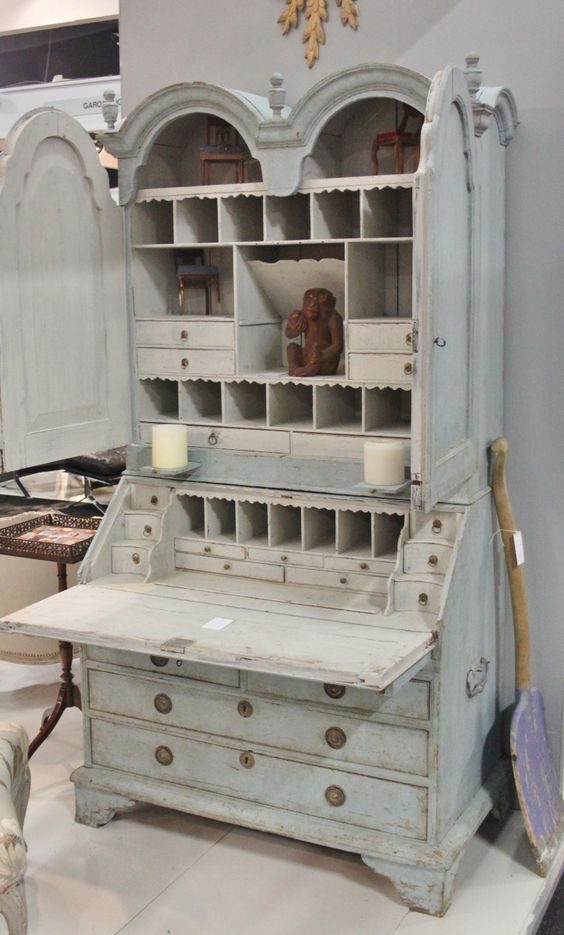
A drop-down desk folds out from the middle section and gives you a flat surface for writing or sorting mail. Small cubbies inside hold pens, stamps or bills, and the drawers below store paperwork or linens.
The hutch top holds books or dishware, and the desk tucks away when you are done.
Oyster white paint softens the formality of carved Swedish details. The finish shows scuffs more easily than darker paint, so touch up chips as they happen.
36. Chinese Teak Cabinet
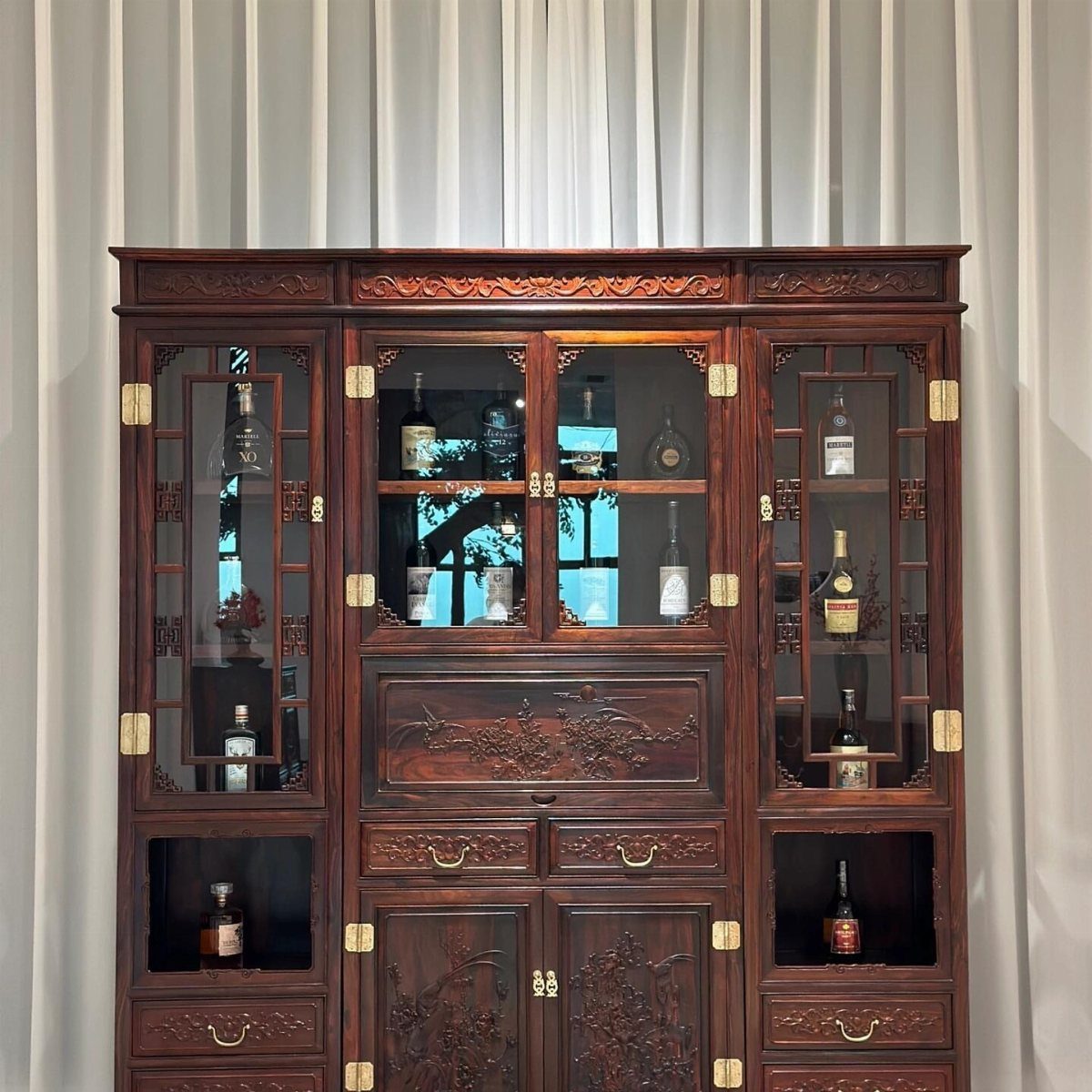
Fretwork panels replace solid glass in the upper doors. The carved lattice pattern sits inside the frame, and the openings let air circulate while keeping dust off glassware or collectibles.
This style suits living rooms or dining areas where the cabinet holds liquor, tea or ceramics rather than daily dinnerware. The dark teak reads formal, and the carved details take more cleaning than flat glass.
Dust the fretwork with a dry cloth. Liquid cleaners pool in the carvings and leave streaks when they dry.
37. Oak Columned Buffet Hutch
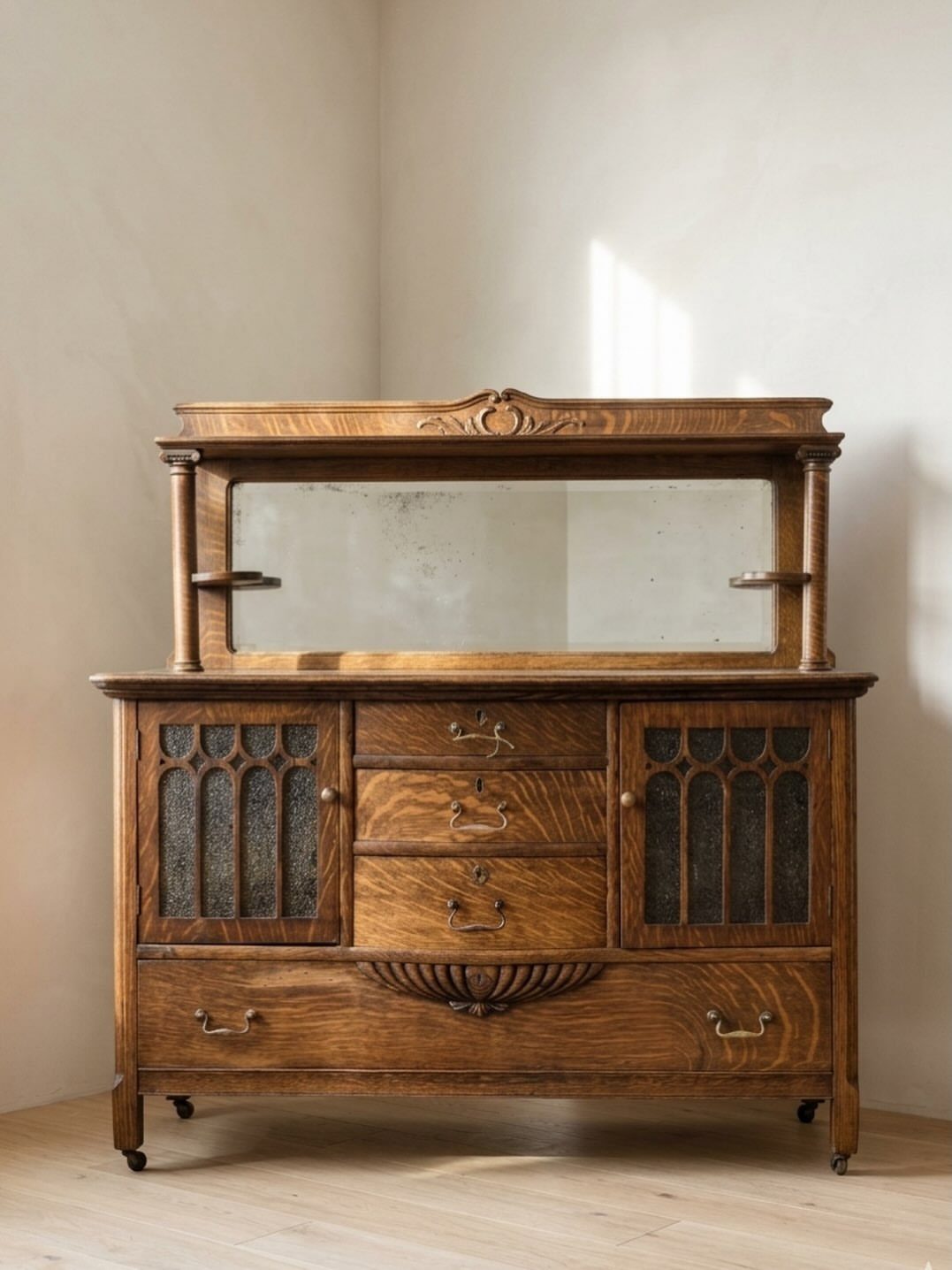
Turned columns frame the lower section and give the piece architectural weight.
The columns and carved details read traditional, and the oak darkens with age.
The mirror shows fingerprints and dust. Clean it with glass cleaner and a microfiber cloth, working from top to bottom so drips do not streak the wood.
38. Natural-Wood Hutch with Glassware
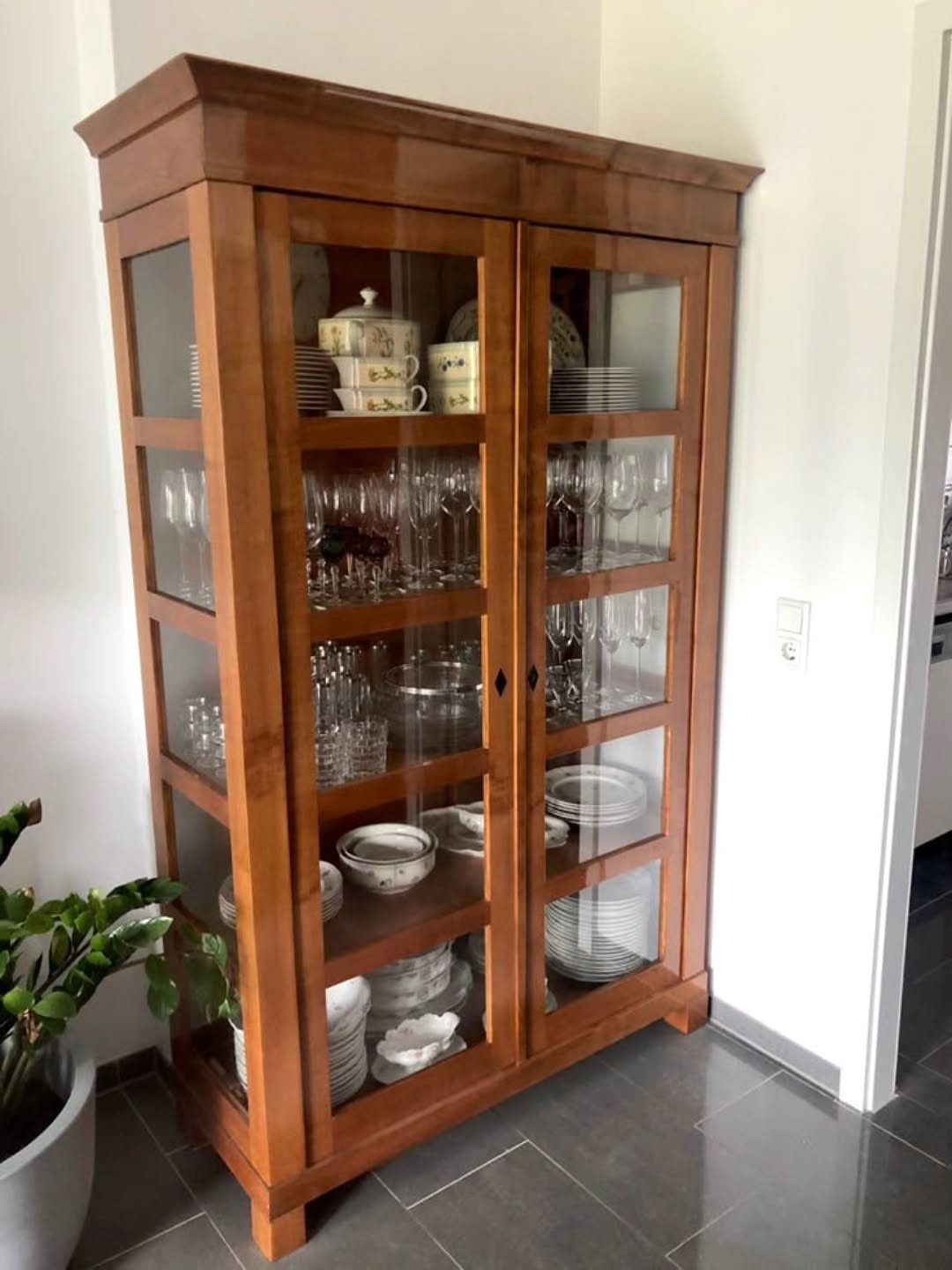
White ceramics and clear glass sit lighter against the wood grain than darker dishes would. The contrast between the pale pieces and the wood grain keeps the display from looking cluttered.
This layout works best when you use the dishes daily. Dust settles fast, and wiping down every plate takes longer than cleaning one cabinet door.
Stick to one or two colors. Mixing patterns or adding bright dishes breaks the clean look.
39. Oak Hutch with Stone Counter
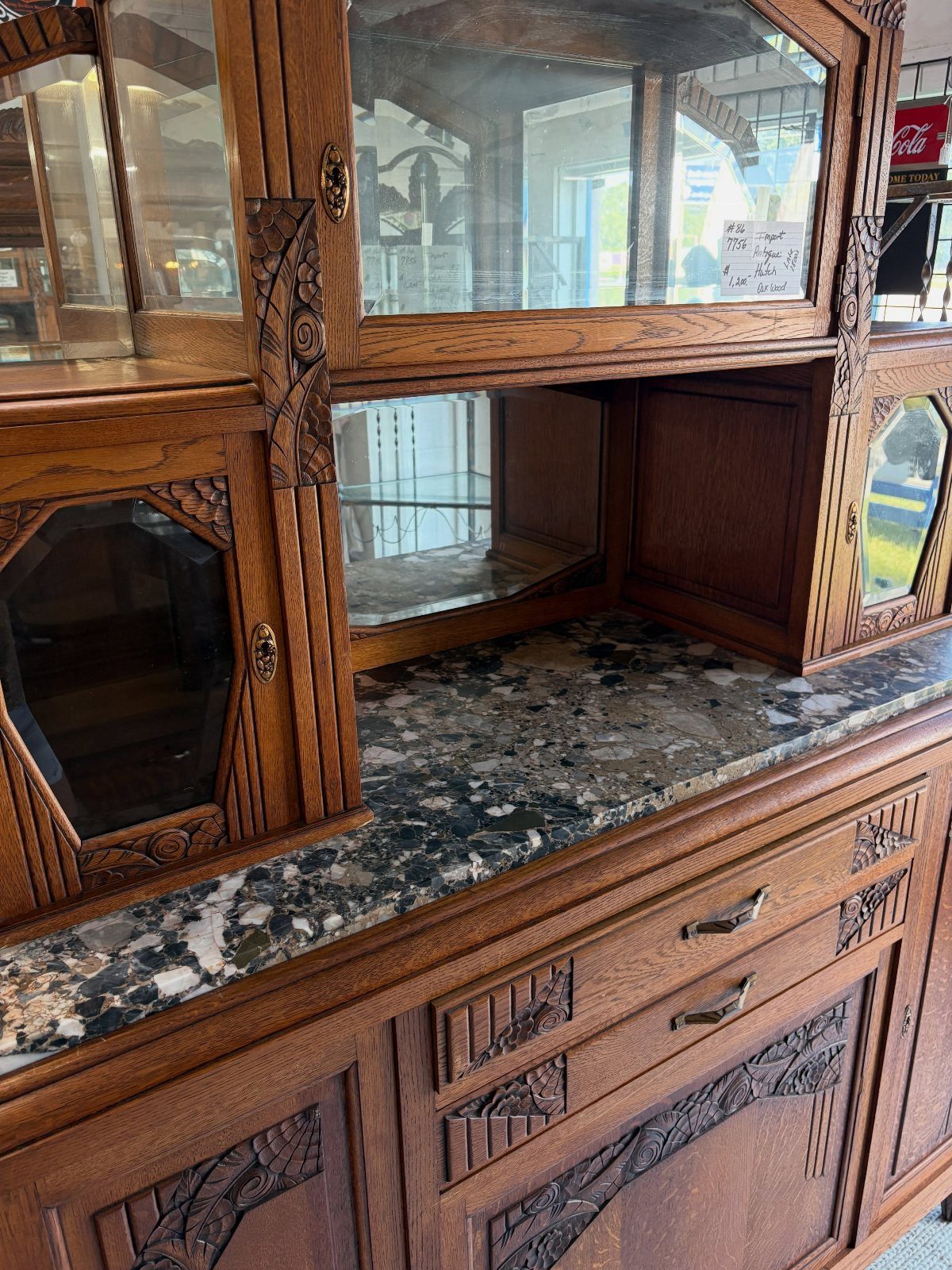
Granite and marble both work, but granite chips less easily at the edges. Seal the stone every year so water and oil do not soak in and stain the surface.
The stone adds weight. Check that the cabinet frame can support it before you replace a wood top with a slab.