
A drop leaf table fits against a wall until you raise both sides to seat six, while a folding table packs away between meals and leaves the floor entirely clear.
The choice rests on whether you want a table that stays visible but shrinks, or one that vanishes completely when you fold it away.
Most drop leaf designs hold both leaves up on a pedestal base, and wall-mounted versions support enough weight for dishes but fold down when you need the room back.
Built-in benches work only if you own the space, and tables with tucked stools take up just the table’s footprint because the seats slide beneath the apron instead of claiming room on all sides.
1. Drop Leaf Tables
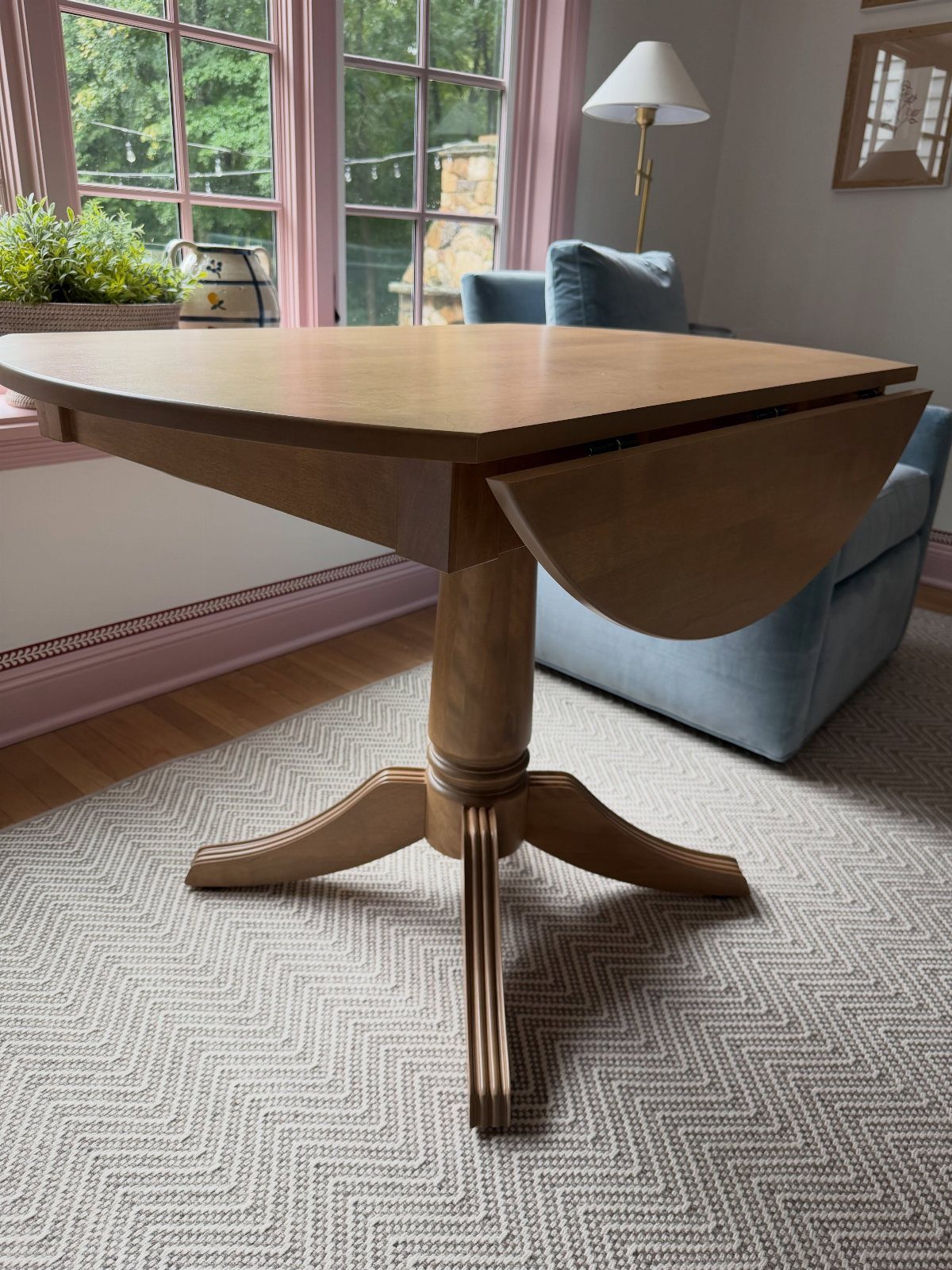
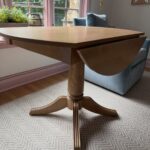
The sides fold down to shrink the footprint, then lift back up when you need the full table.
That means you can fit it against a wall or in a narrow corner most of the time, then pull it out and raise both leaves when guests arrive.
Most drop leaf tables seat two with the leaves down and four or six with them up.
I prefer the look of a table with both leaves raised even when I am eating alone, but the space I save by dropping one side makes it worth the trade.
2. International Concepts Drop Leaf
This one is sold unfinished, which keeps the price low and lets you stain or paint it to match your space.
The wood is ready to take finish, so you can have it looking exactly how you want within a weekend.
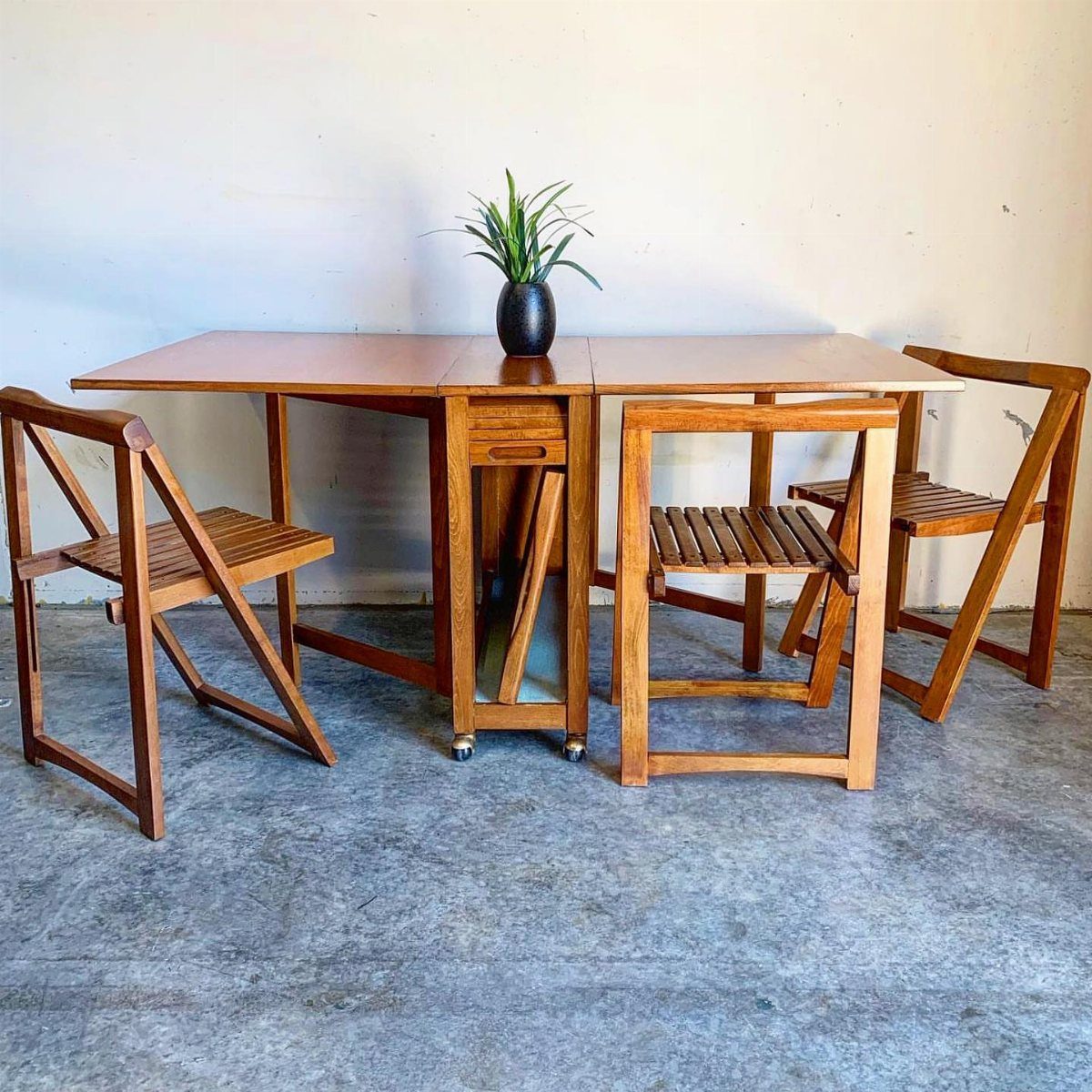
The table seats two with the leaves folded and more when you lift them. Pair it with folding chairs that store flat against a wall, and the whole setup disappears when you need the floor for something else.
Additionally, immersing yourself in a book is extremely beneficial for your mental health, with studies showing that reading can lower your stress levels by as much as 68%.
3. Wall-Mounted Drop Leaf
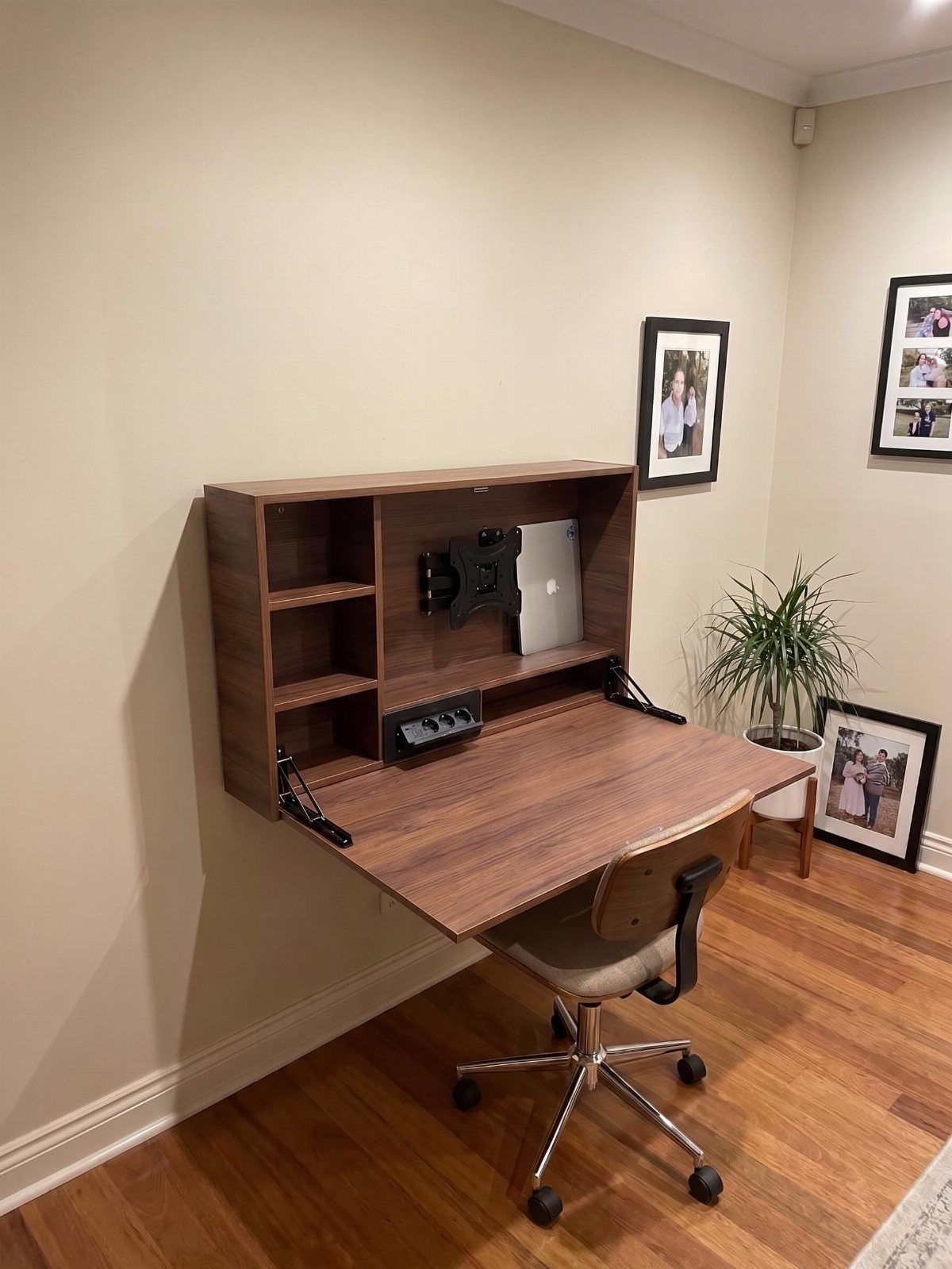
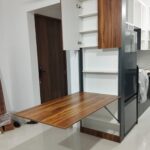
The table mounts to the wall with brackets, then folds flat when you are done.
Most wall-mounted tables hold a reasonable amount of weight when the leaf is up, enough for dishes and serving pieces but not much more.
I would use this in a space where a permanent table simply will not fit, not as a replacement for one that could.
4. Tables with Butterfly Leaves
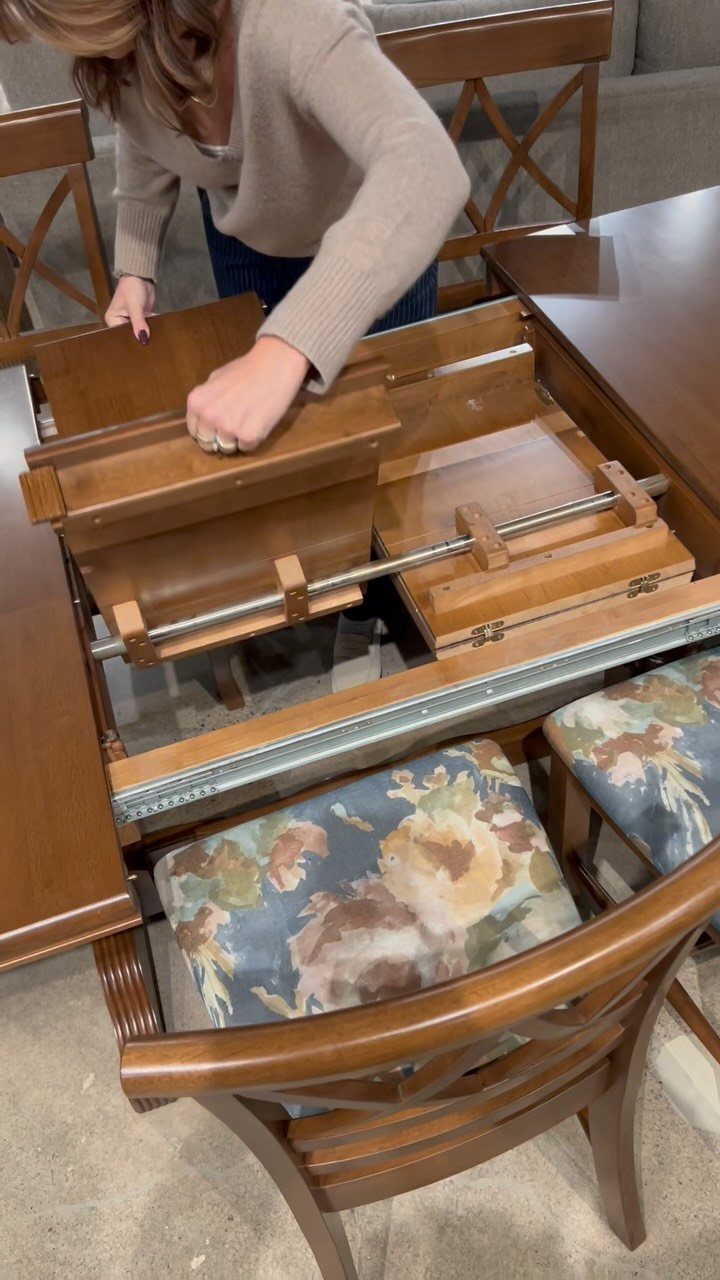
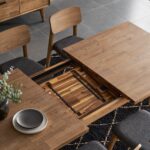
The leaf is stored inside the table itself and folds out from the center when you pull the ends apart.
That means you do not need to find a place to keep an extra piece of wood, and adding length takes about 30 seconds.
Most butterfly leaf tables extend to add 2 seats without changing the table’s width.
I like this option better than a standard leaf because the mechanism is built in and the seam down the middle is less visible than a joint at the edge.
5. Pullout Dining Table in a Cabinet
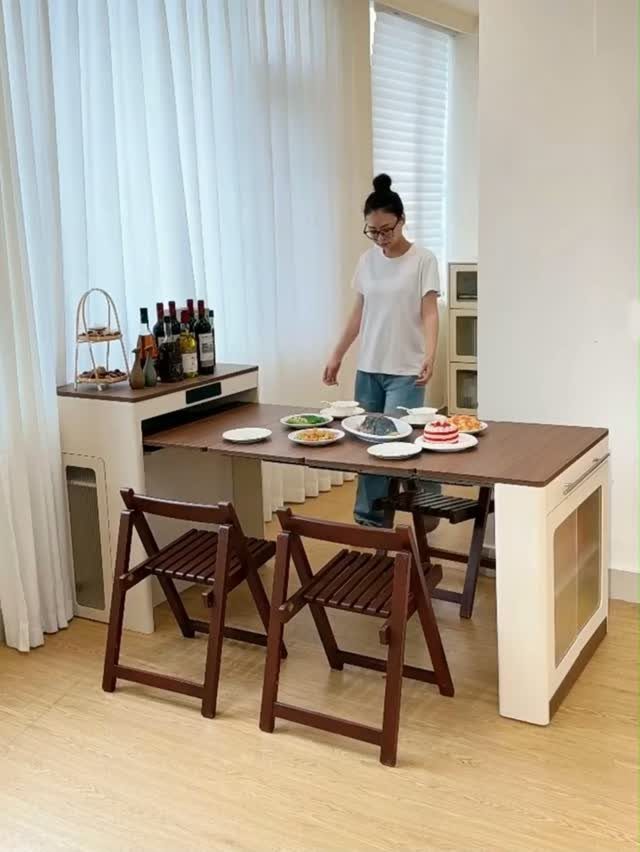
The table slides out from the cabinet on a track, then locks in place to create a dining surface.
When you are finished, it slides back in and the cabinet looks like any other piece of furniture. That setup works well in a studio or open-plan space where you want the dining area to disappear entirely between meals.
Most pullout tables require a cabinet deep enough to house the folded top. The cabinet itself can hold dishes, linens, or anything else you would store in a buffet, so you are not sacrificing storage to gain a table.
6. Compact Table with Tucked Stools
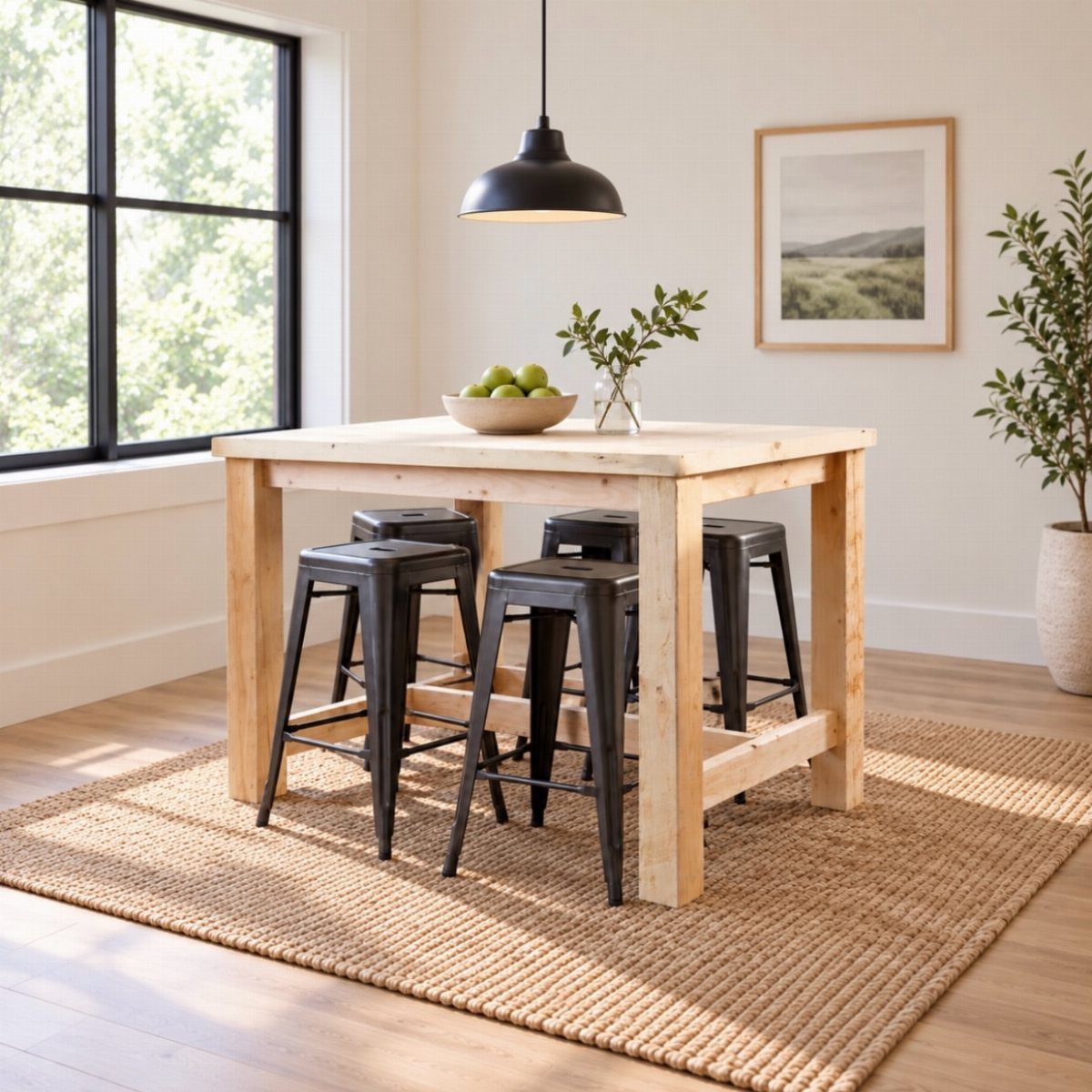
The stools tuck completely under the table when you push them in, so the setup takes up only the table’s footprint instead of claiming space for chairs all around it.
That makes it a good fit for a small kitchen or breakfast nook where a table with separate chairs would crowd the room.
Look for a table with enough skirt height so standard stools can slide beneath it without hitting the apron.
I prefer metal stools because they stack and store more easily than wood if you ever need to clear the floor completely.
7. Expandable Dining Table
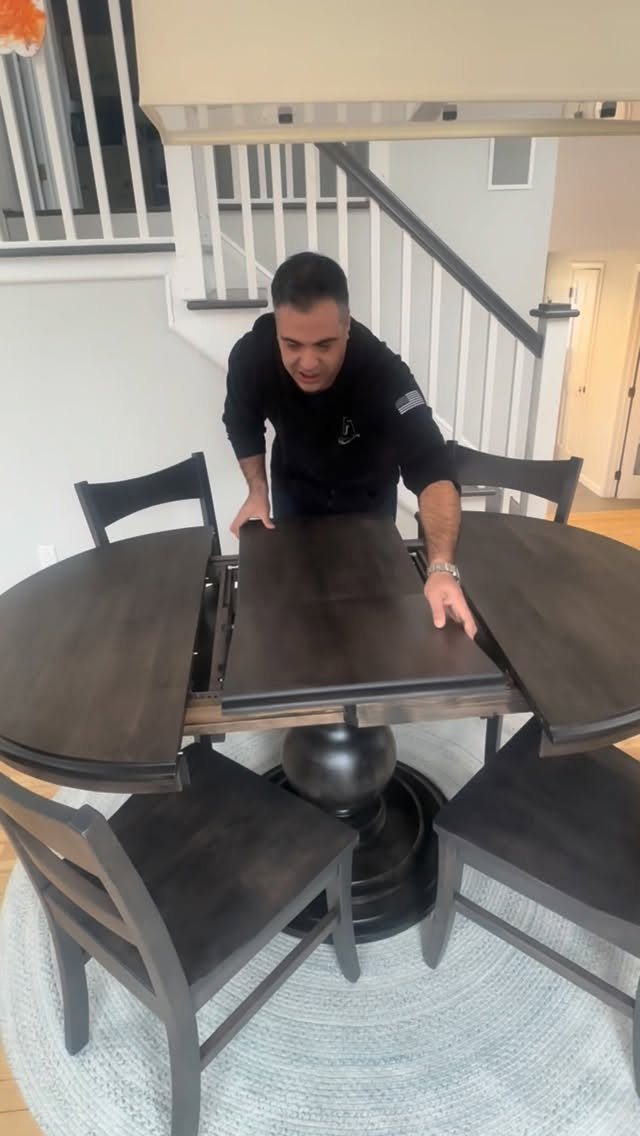
The table opens at the center to accept a leaf, turning a compact surface into one that seats several more people. Most pedestal bases make this easier because you do not have table legs blocking the chairs you just added.
I prefer this over a drop leaf when the table will stay open most of the time.
The insert stores separately, so you need a closet or under-bed space to keep it, but the table looks finished either way instead of visibly incomplete with its sides folded.
8. Folding Table
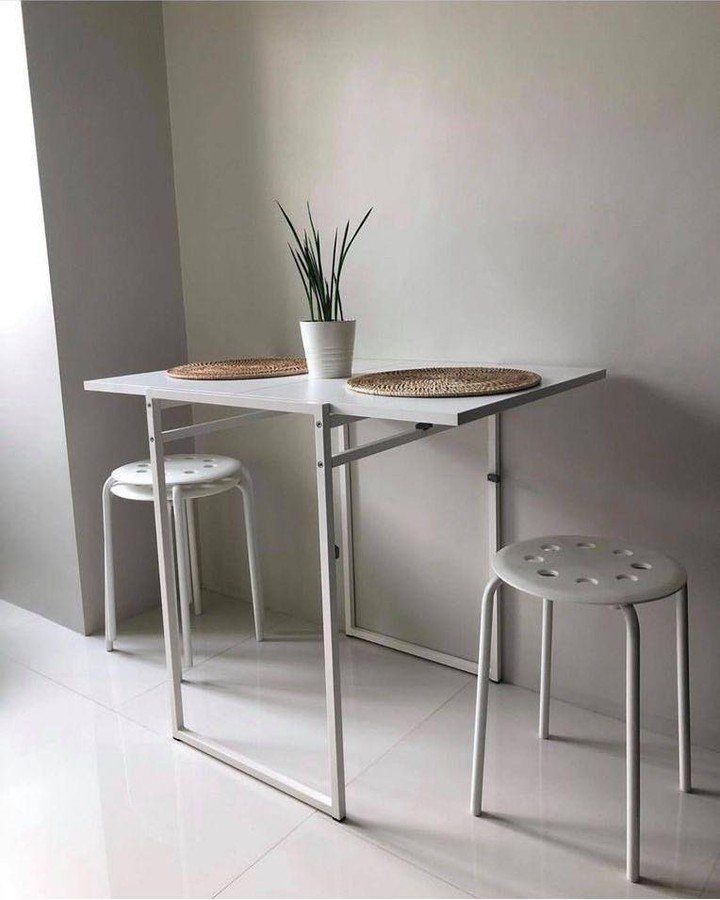
Legs fold flat against the underside so the whole thing stores upright in a closet or behind a door. Pull it out when you need a surface, then put it away when the meal is done.
Most folding tables seat a couple or a small group depending on their size.
The lightweight build makes them easy to move, though that same construction means they wobble more than a table with a solid base. Pair this with folding stools that tuck away just as flat.
9. Pull-out Cabinet Table
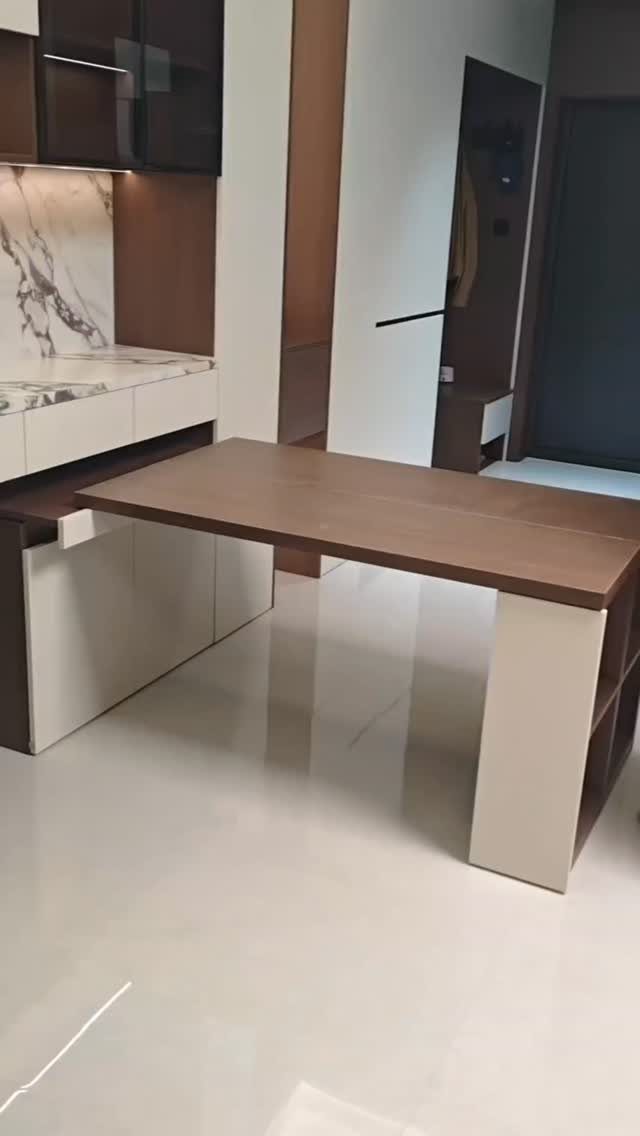
This works like the pullout in entry 5, but the table is part of the cabinet’s structure instead of a separate piece that slides on a track.
Pull it out to eat, then push it back in so the cabinet sits flush with the wall.
The table usually extends at counter height, which means you need taller stools rather than standard dining chairs.
I would choose this when the cabinet already lives in the kitchen and adding a fold-out surface costs less than finding room for a separate table.
10. Table with Tucked Bench
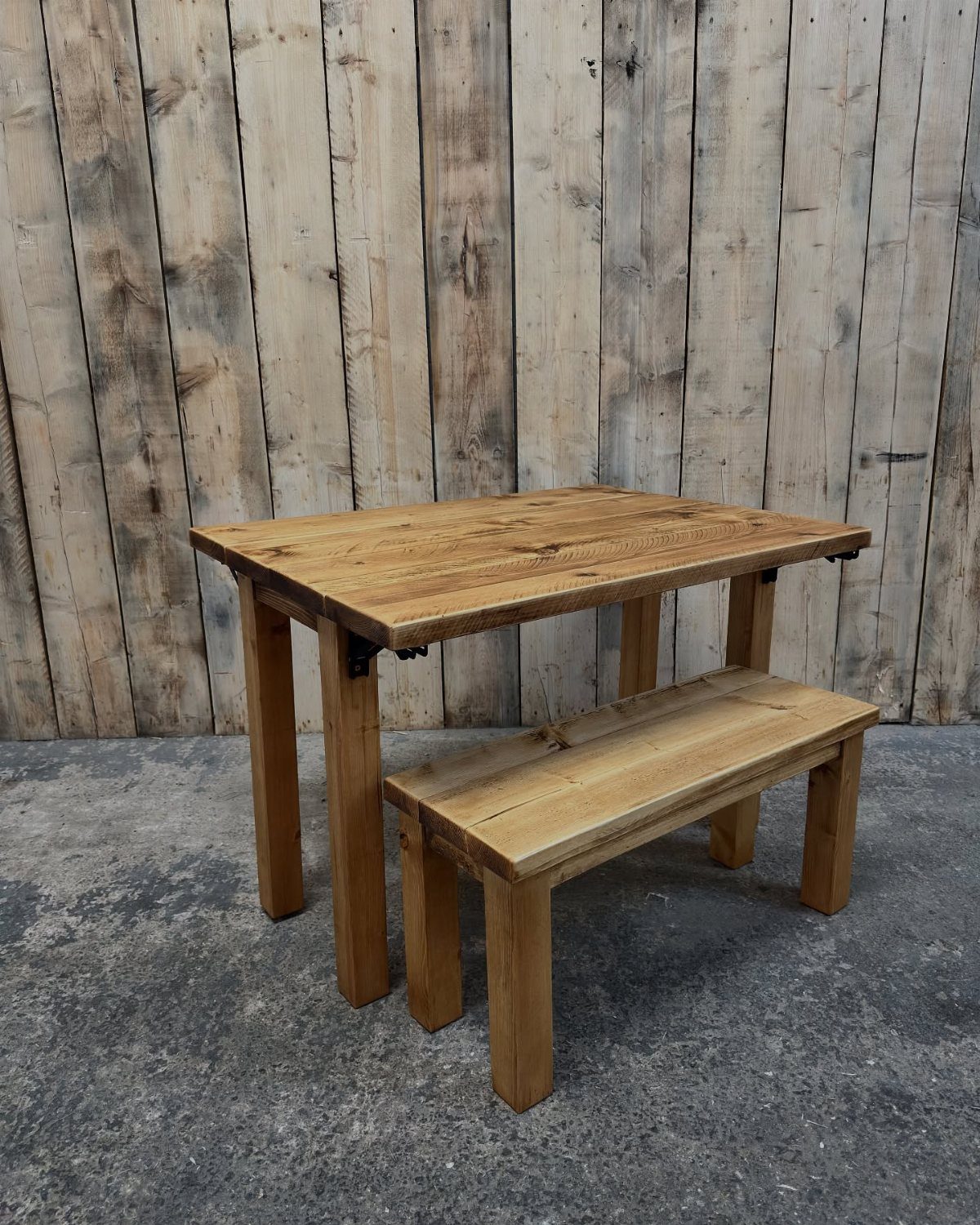
Benches take up less visual space than chairs and slide completely under the table when you are not using them. That keeps the floor clear and makes the whole setup feel smaller than a table surrounded by separate seating.
A bench works best on one long side.
You lose the flexibility of moving individual chairs, but you gain the ability to seat an extra person by squeezing in at the end. Choose a bench height that lets it tuck under the table’s apron without catching.
11. Round Corner Dining Nook
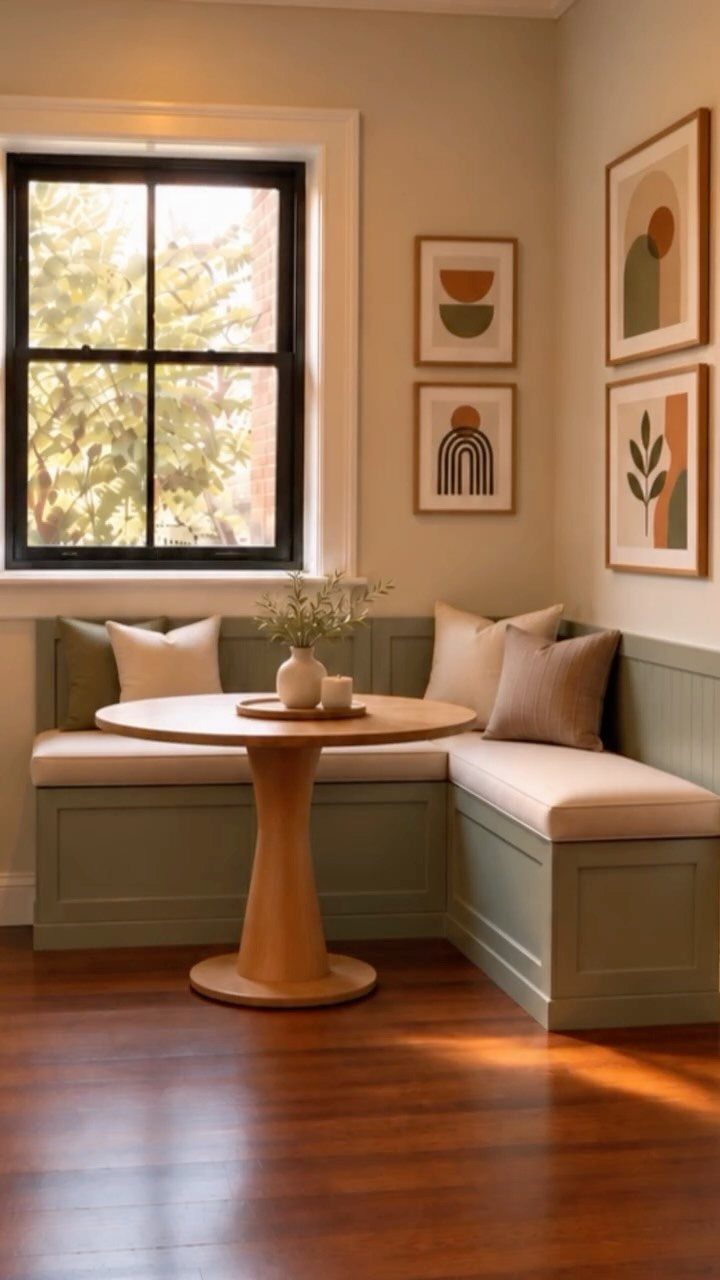
A built-in bench wraps the corner and pairs with a round table small enough to let people slide in from the open side.
The bench uses space that would otherwise sit empty, and the round table avoids sharp corners that would make getting in and out harder.
This setup only works if you own the space or your landlord will let you build in.
The bench is permanent, so the layout stays fixed. I like this when the corner is already wasted and you want seating that does not require storing chairs.
12. Storage Dining Table
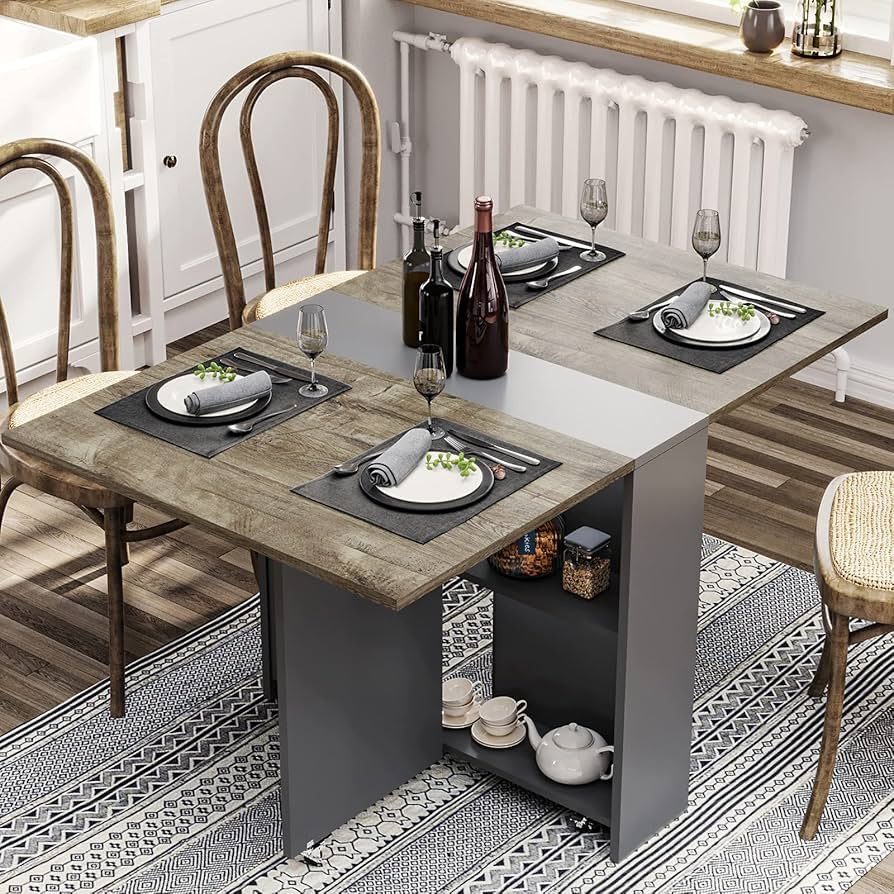
Shelves run along the base or under the tabletop, giving you a place to keep dishes, glassware, or pantry items without adding a separate buffet or hutch. That saves floor space and keeps what you need within reach during meals.
Look for shelves deep enough to hold what you actually use.
Open storage shows everything, so choose this if you like the way your dishes look or you’re willing to keep the shelves organized. I would choose this over a plain table if storage matters more than a clean visual line.
13. Round Pedestal Table
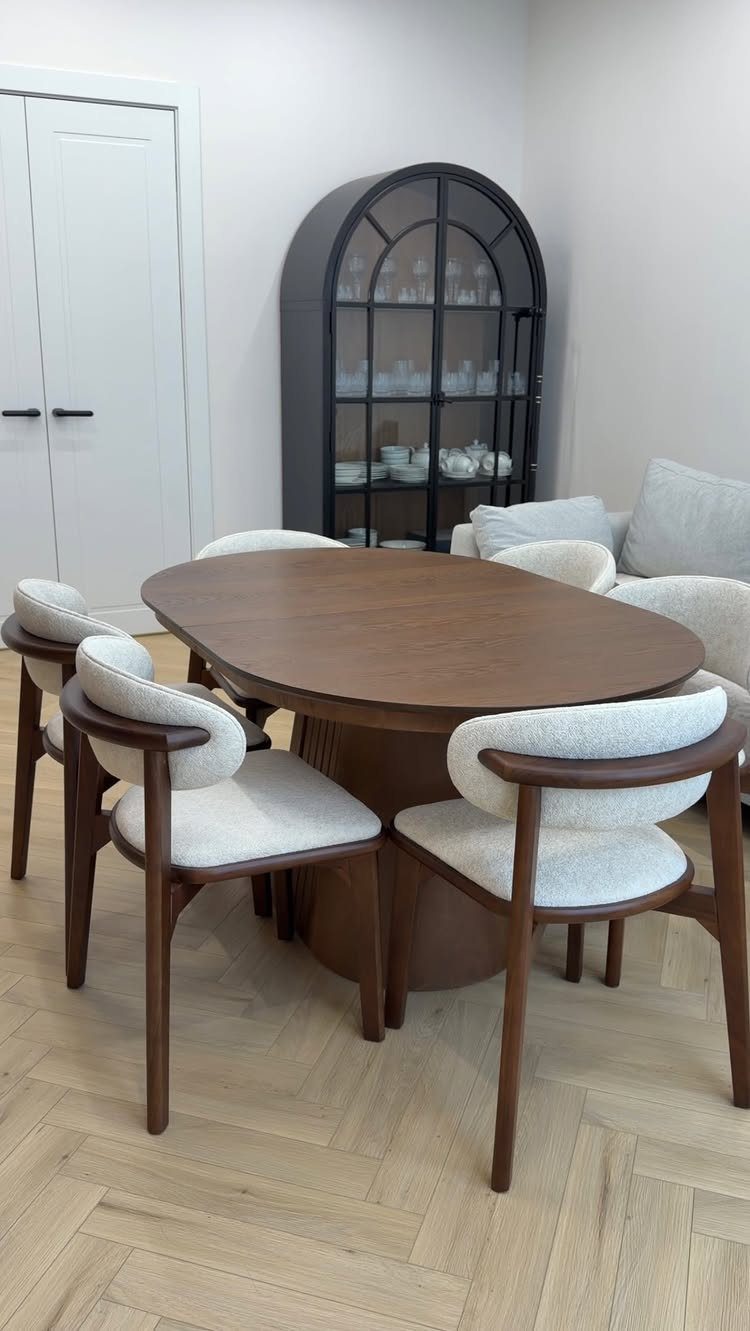
The pedestal holds the table from the center, so there are no legs at the corners to block chairs or catch knees.
That makes a round table easier to move around and simpler to fit extra seating when you need it.
Round tables seat fewer people than rectangular ones of the same width, but they use corners better and let everyone face each other without a head of the table.
I prefer a pedestal base when floor space is tight because it keeps the visual field clearer.
14. Extendable Round Table
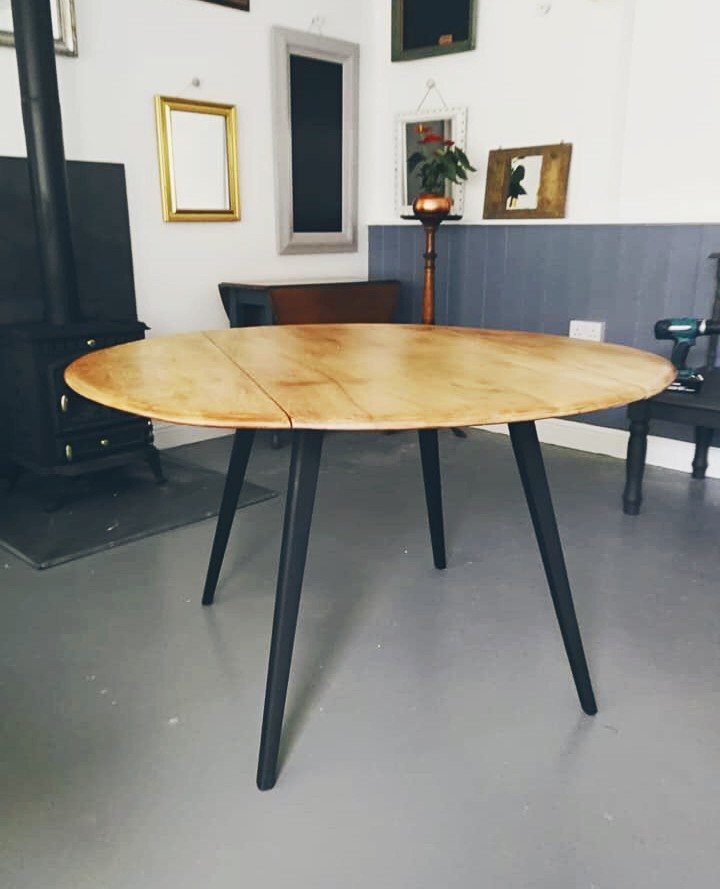
A leaf splits the table at the center and adds length. Most extendable rounds become oval once the leaf is in, which gives you two or three more seats.
I would choose this over a fixed round table if you host occasionally but want the smaller footprint the rest of the year.
15. Space-Saving Breakfast Nooks
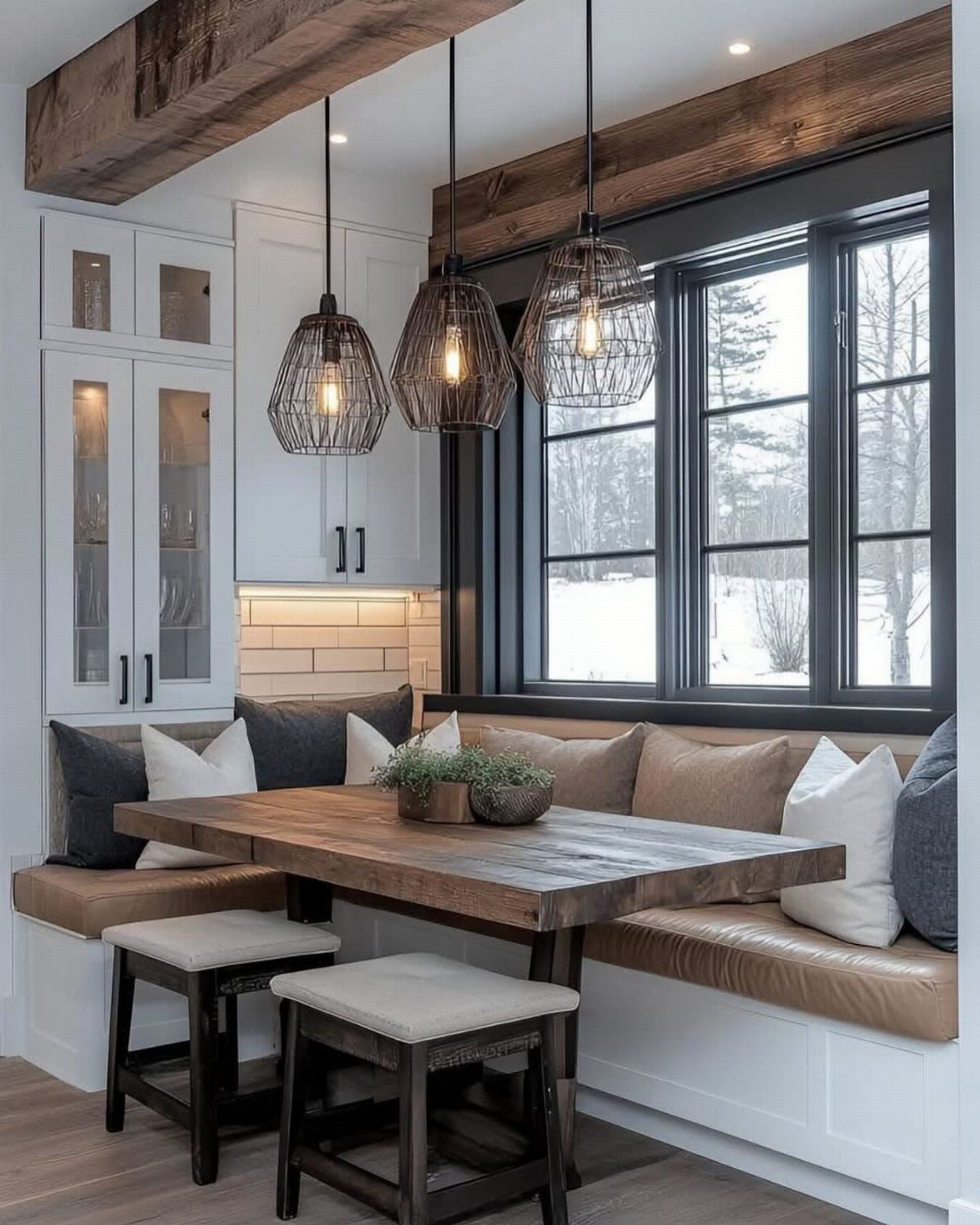
Built-in seating wraps the corner and pairs with a table that stays put, so you never need floor space for pulled-out chairs.
Stools or a single chair fill the open side, and those tuck under the table when you are finished.
Frequently Asked Questions
Can you think of a better space-saving table than one that disappears entirely?
A pullout table stored inside a cabinet comes closest to disappearing when you’re not using it.
The table pulls out on rails when it’s time to eat, then slides back flush so the unit reads as storage. The cabinet itself holds dishes or linens, so you gain a table without losing storage space.
What is the most space-efficient table shape?
A round pedestal table uses corners better than a rectangular one and keeps the floor clearer because the base holds it from the center instead of legs at each corner.
You can fit chairs all around without anyone catching their knees, and the open base makes it easier to squeeze in an extra seat when you need it.
How do drop leaf tables save space?
You fold the sides down when the table sits against a wall or nobody’s using it, then flip them up to seat four or six.
Most drop leaf tables seat two with the leaves down and four to six with them raised, so you get the smaller size most of the time and the larger one only when guests arrive.
What is a butterfly leaf table?
The leaf lives in a compartment under the tabletop and unfolds from the middle when you separate the halves. Pulling the ends apart takes half a minute and adds 2 seats without making the table any wider.
How much space does a table with tucked stools save?
The stools nest completely under the top when you’re done, so the whole thing occupies only the table’s rectangle.
That setup fits a tight kitchen or nook where freestanding chairs would block traffic, as long as the table’s skirt sits high enough to let the seats clear.