
Kitchen counters hold what you reach for every day, and the best tabletop setups work as hard as they look good.
A fruit bowl doubles as a snack holder, potted herbs sit ready for cooking, and a tray keeps wooden spoons from rolling across the counter.
1. Layered Cutting Boards
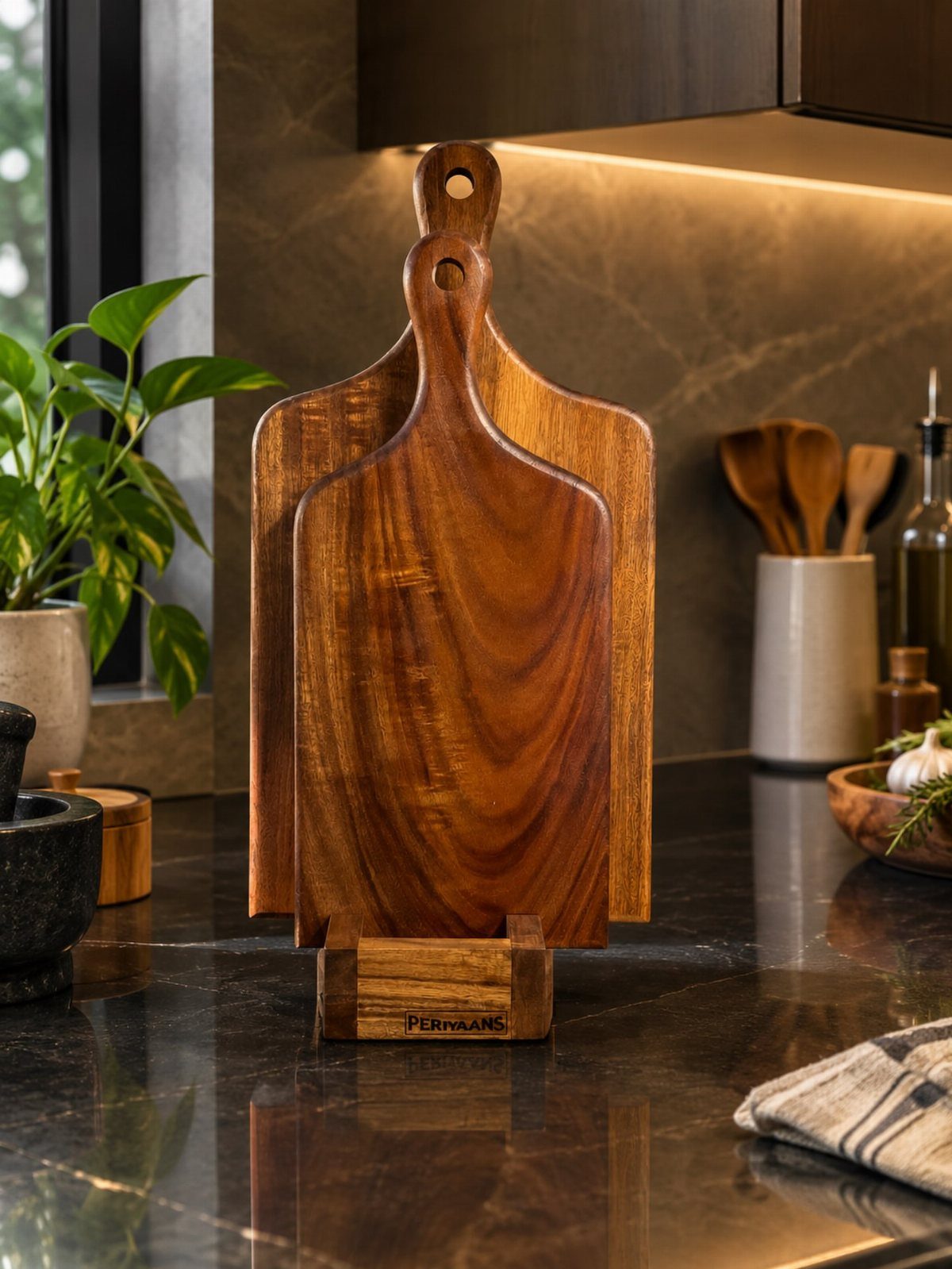
Cutting boards leaning upright in a stand or against the backsplash give you storage and decoration at once. The tiered arrangement puts them within reach while the grain and varied sizes add texture to the counter.
Pick boards you actually use so they earn their spot.
A mix of sizes works better than matching pieces, and wood tones warm up a space that leans too cool. If you keep them in a stand, they dry faster than stacked in a drawer.
This takes no extra counter depth and suits a galley kitchen or any tight layout where every inch counts.
2. Fruit Bowl
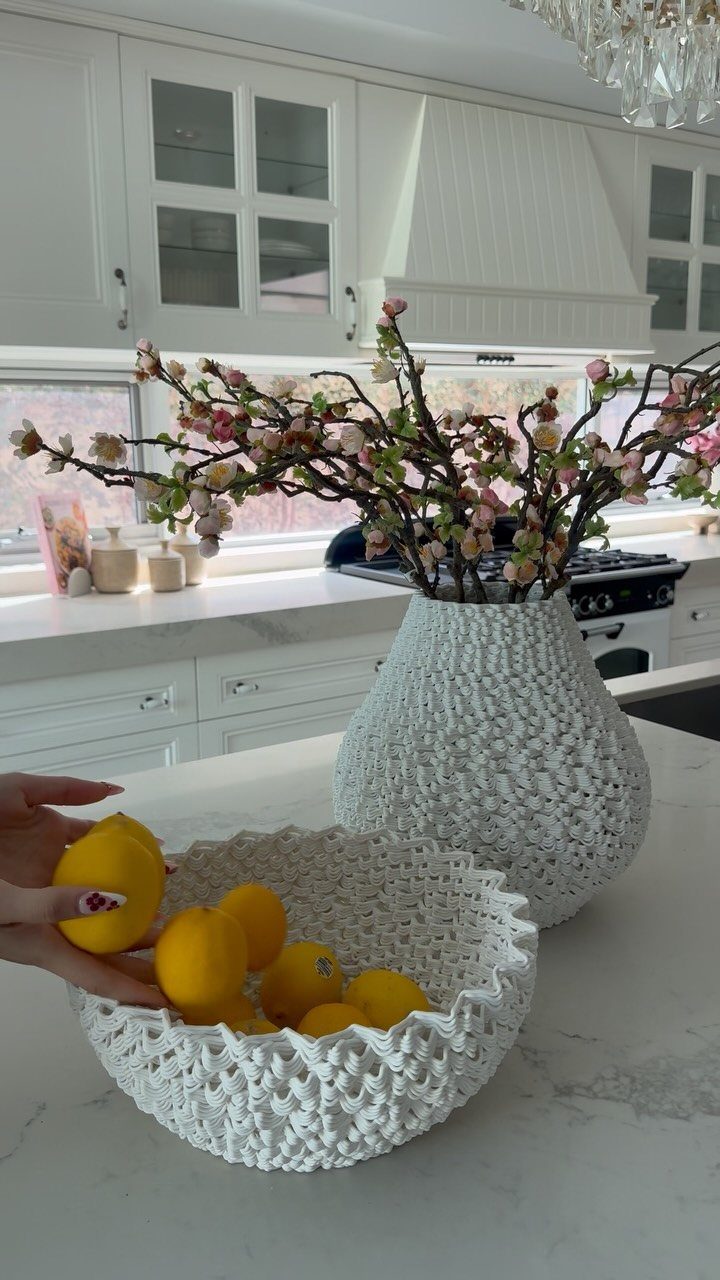
A bowl of fresh fruit keeps something to eat within reach and fills empty counter space with color that changes through the week.
Lemons, limes, and oranges hold up best at room temperature, while berries and cut melon belong in the fridge.
The bowl itself matters. I look for one with enough weight that it stays put and a shape that does not tip when you pull fruit from the edge.
Ceramic and stoneware work better than lightweight plastic, and a textured finish hides the inevitable scuffs.
Set it where you walk past most often so the fruit actually gets eaten.
3. Greenery and Herbs
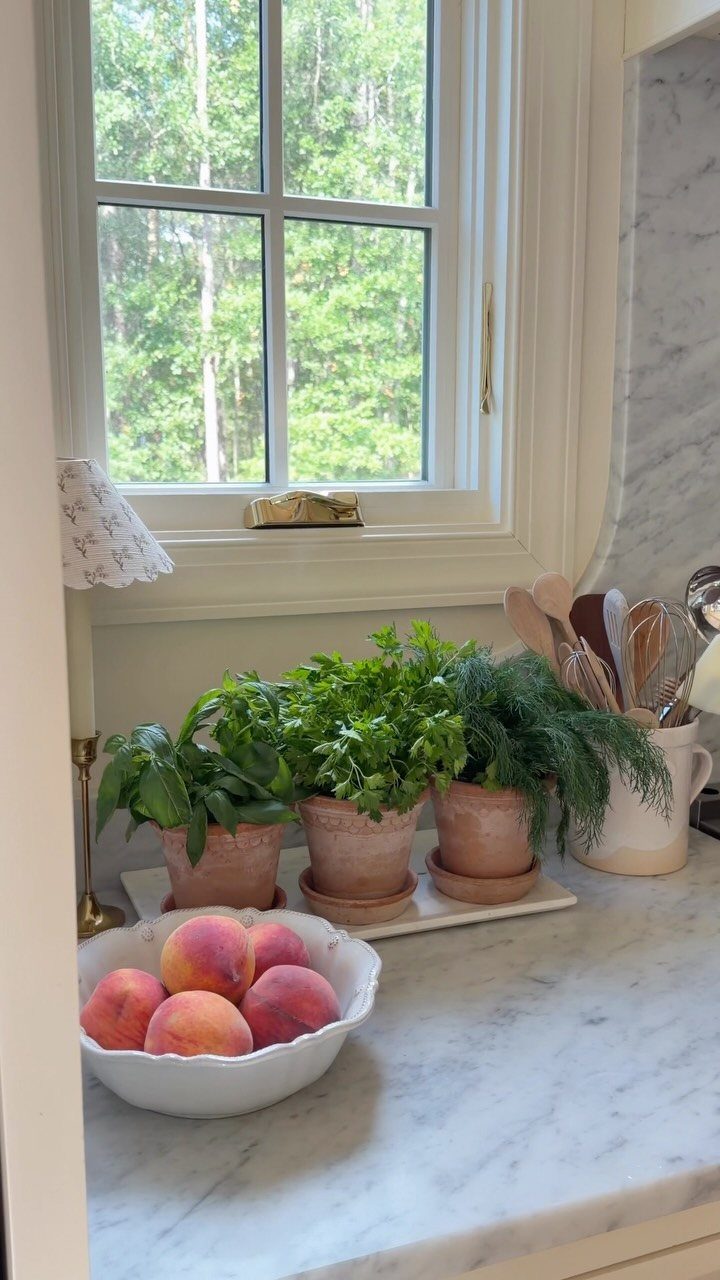
A row of potted herbs by the window puts fresh basil, parsley, or thyme within arm’s reach while you cook. The greenery softens hard surfaces, and the plants stay healthier near natural light than tucked under cabinets.
Terracotta pots with drainage holes prevent root rot, which kills more indoor herbs than underwatering does.
I use a small tray underneath to catch runoff and protect the counter. If your window gets little sun or you travel often, good-quality faux stems in the same pots give you the look without the maintenance.
Water when the top inch of soil feels dry.
4. Coffee Station
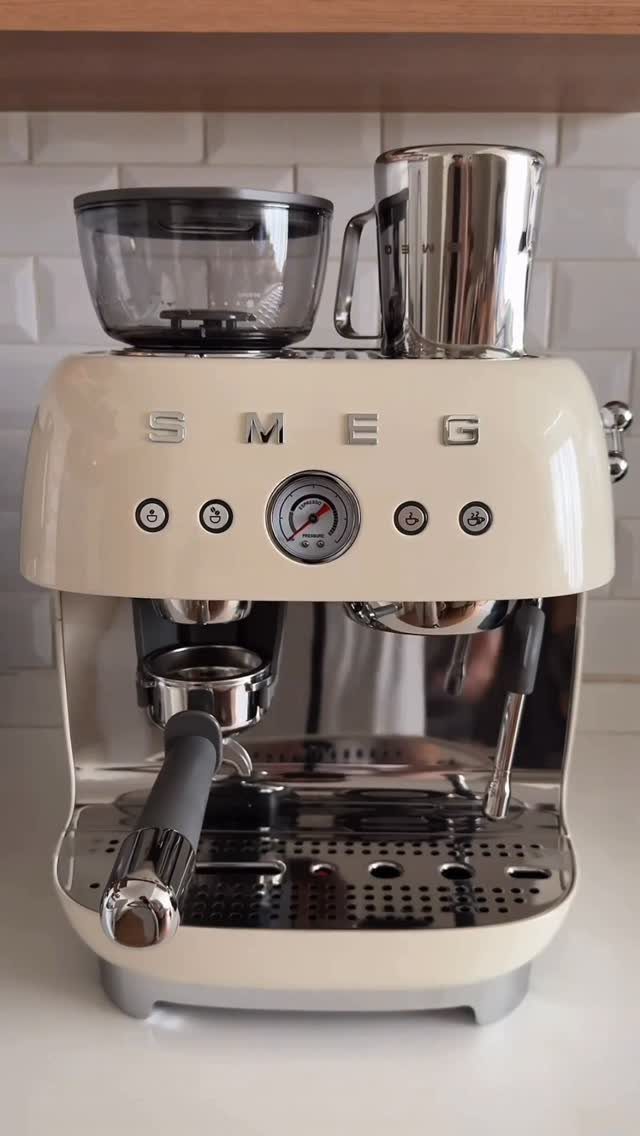
Keeping your coffee maker, grinder, mugs, and beans together in one spot makes the morning routine faster and gives that corner a purpose.
When the machine itself has clean lines and a finish you like, it becomes part of the look instead of something to hide.
I set mine near an outlet with enough clearance for the steam wand or grinder lid, and keep a small tray underneath for catching spills and corralling sugar or stirrers.
If counter space is tight, a two-tier organizer or wall-mounted mug hooks free up room without losing the setup.
Choose a machine you do not mind looking at every day.
5. Cooking Essentials on a Tray
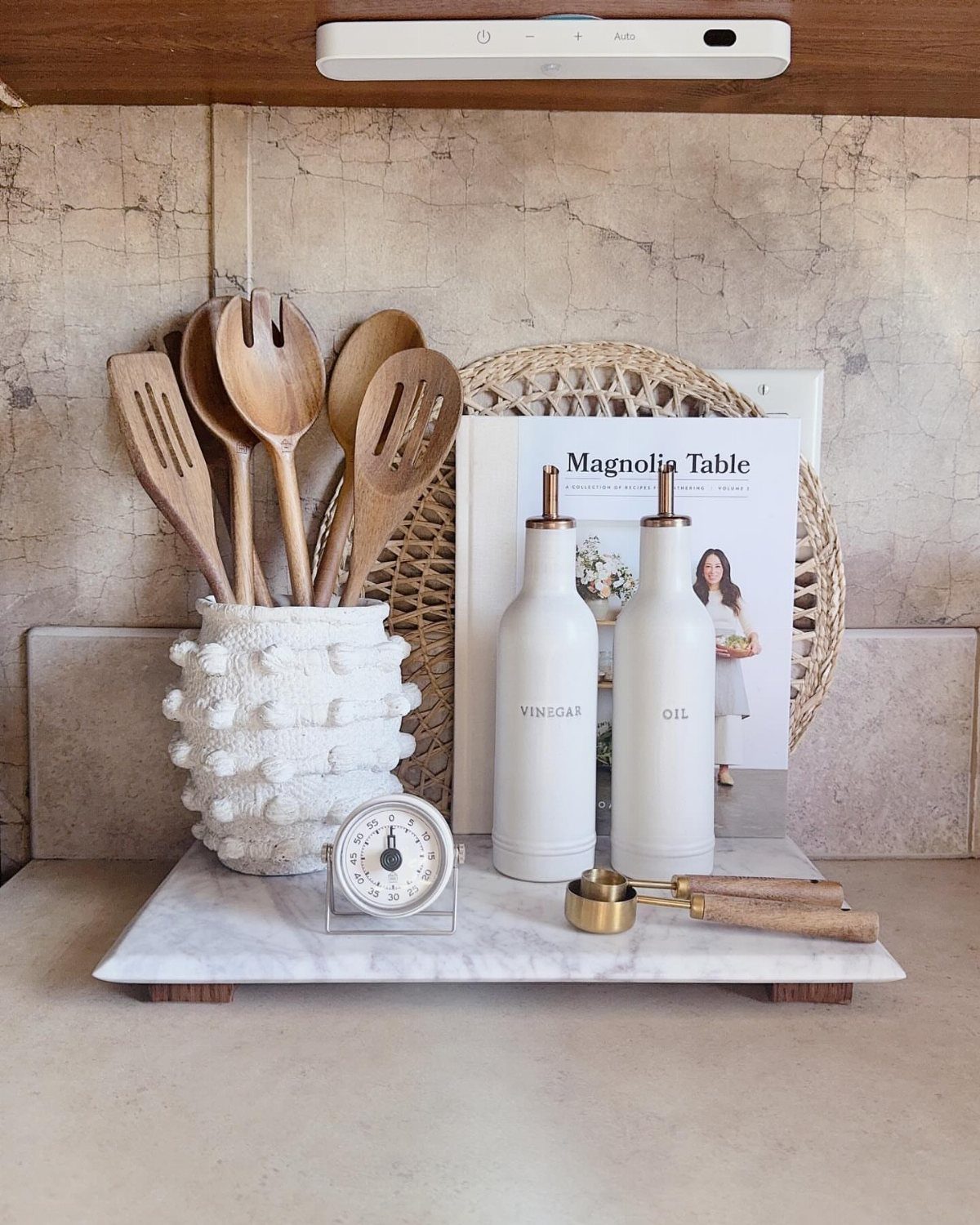
Grouping the tools you reach for most often on a tray keeps them from drifting across the counter and makes cleanup faster.
A crock of wooden spoons, a bottle of olive oil, a timer, and measuring spoons sit ready without looking cluttered.
The tray defines the boundary, so everything has a clear home. I prefer one with a lip to stop bottles from sliding and a material that wipes clean without staining.
Marble, wood, or ceramic trays all work; pick one that fits the scale of your counter and does not crowd the workspace.
This setup also moves easily when you need the full surface for prep.
6. Open Cookbook on a Stand
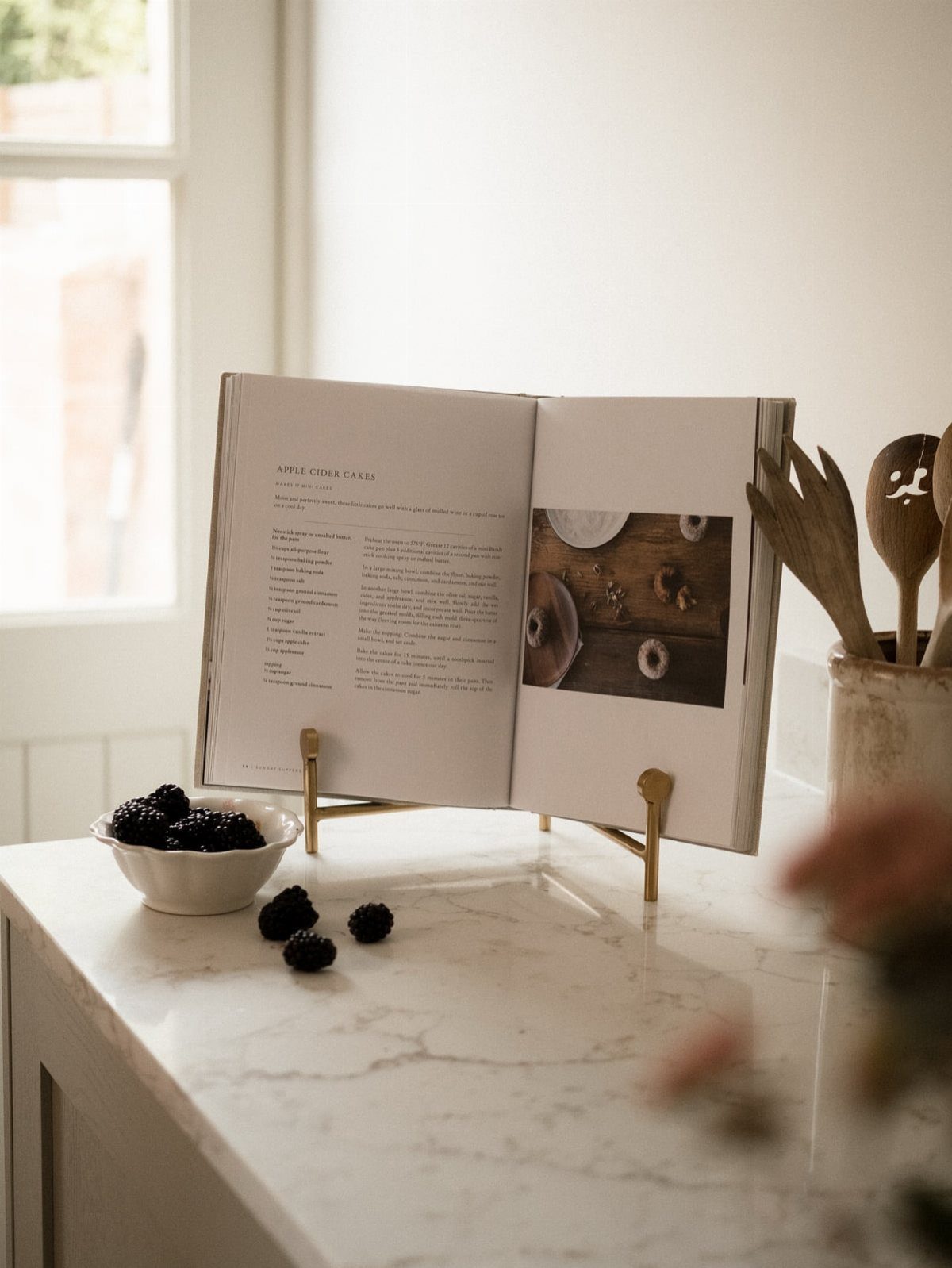
Propping a cookbook open to a favorite page on a small stand keeps a recipe visible while you cook and adds a lived-in detail to the counter.
The stand lifts the book to reading height and protects the pages from spills better than laying it flat.
I choose one with an adjustable angle so thicker books stay open without fighting the spine.
Metal and wood stands both work; gold finishes catch light and warm up white or gray kitchens. If you rotate what is displayed, it signals what you are cooking that week and gives the space a current feel.
Set it where you can read it from the stove or sink.
7. Patterned Soap Dispensers
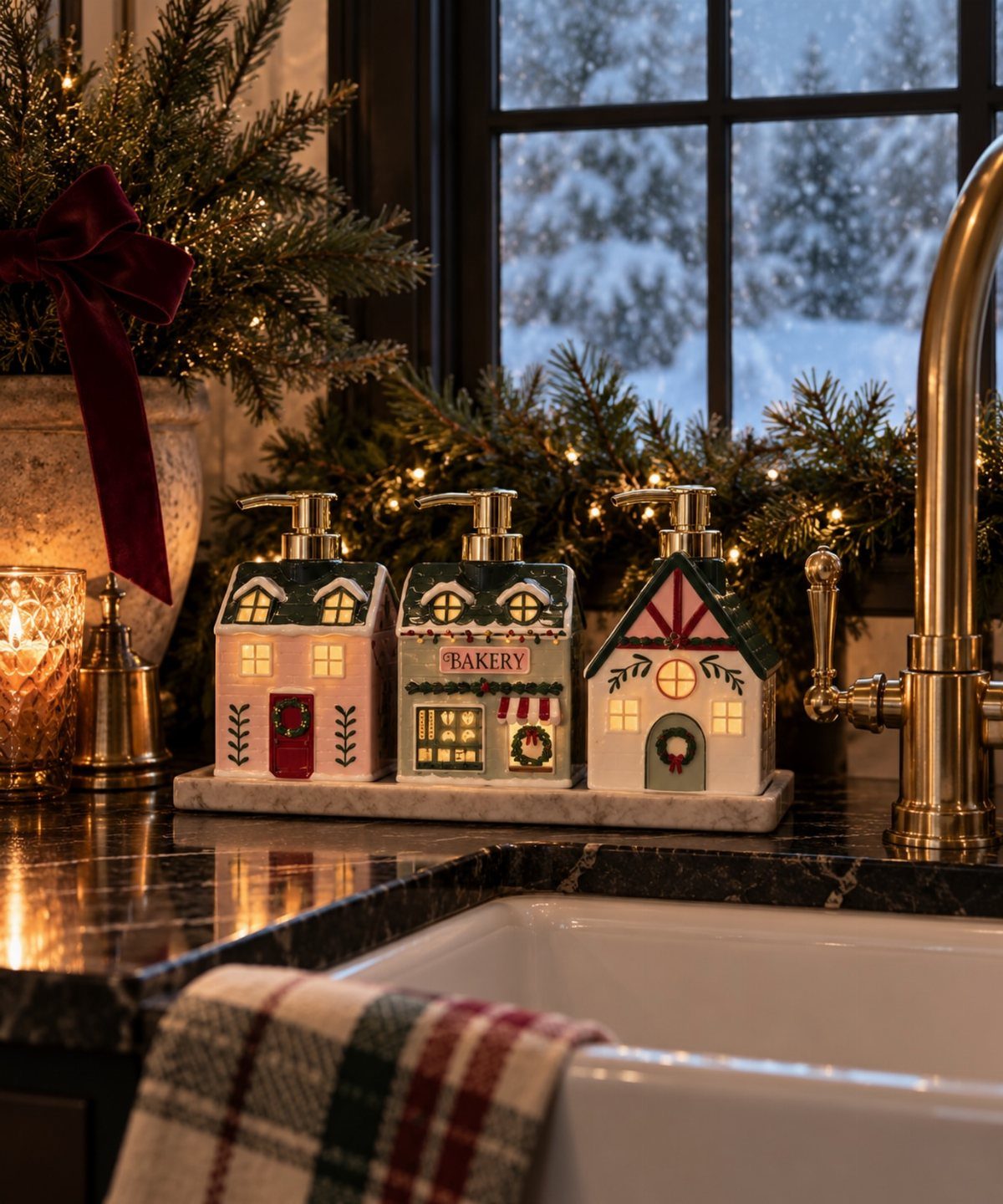
Switching out a plastic soap bottle for a refillable dispenser with a pattern or finish you like turns a necessary item into something worth keeping on the counter.
A ceramic or glass body holds up to daily use and feels more solid in your hand.
Look for one with a pump that dispenses cleanly without dripping and an opening wide enough to refill without a funnel. If your sink is visible from the main room, a dispenser that matches your style keeps the view intentional.
I refill mine with unscented dish soap to avoid competing scents in the kitchen.
8. Vase of Fresh Flowers
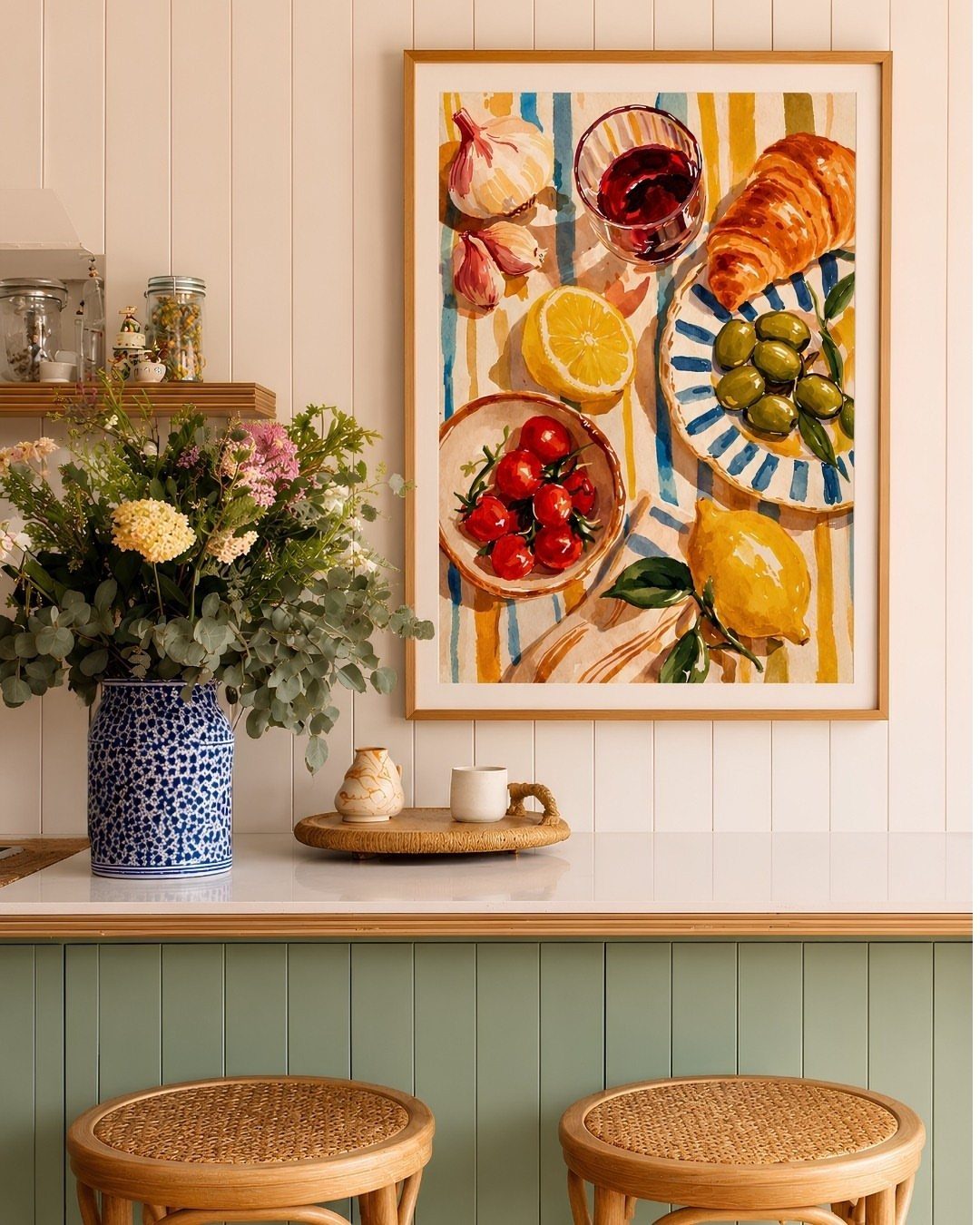
Fresh flowers bring color and life to a kitchen counter without taking up much room.
A single stem in a bud vase works as well as a full arrangement, and both last longer if you change the water every other day.
Pick a vase with enough weight that it stays upright when you brush past it.
I choose flowers with sturdy stems that hold up in a warm kitchen, and I cut them at an angle before they go in the water.
If the counter gets direct sun, move the vase a few inches back so the blooms do not wilt by afternoon.
Set it where you will see it while you cook.
9. Canisters, Jars, and Baskets
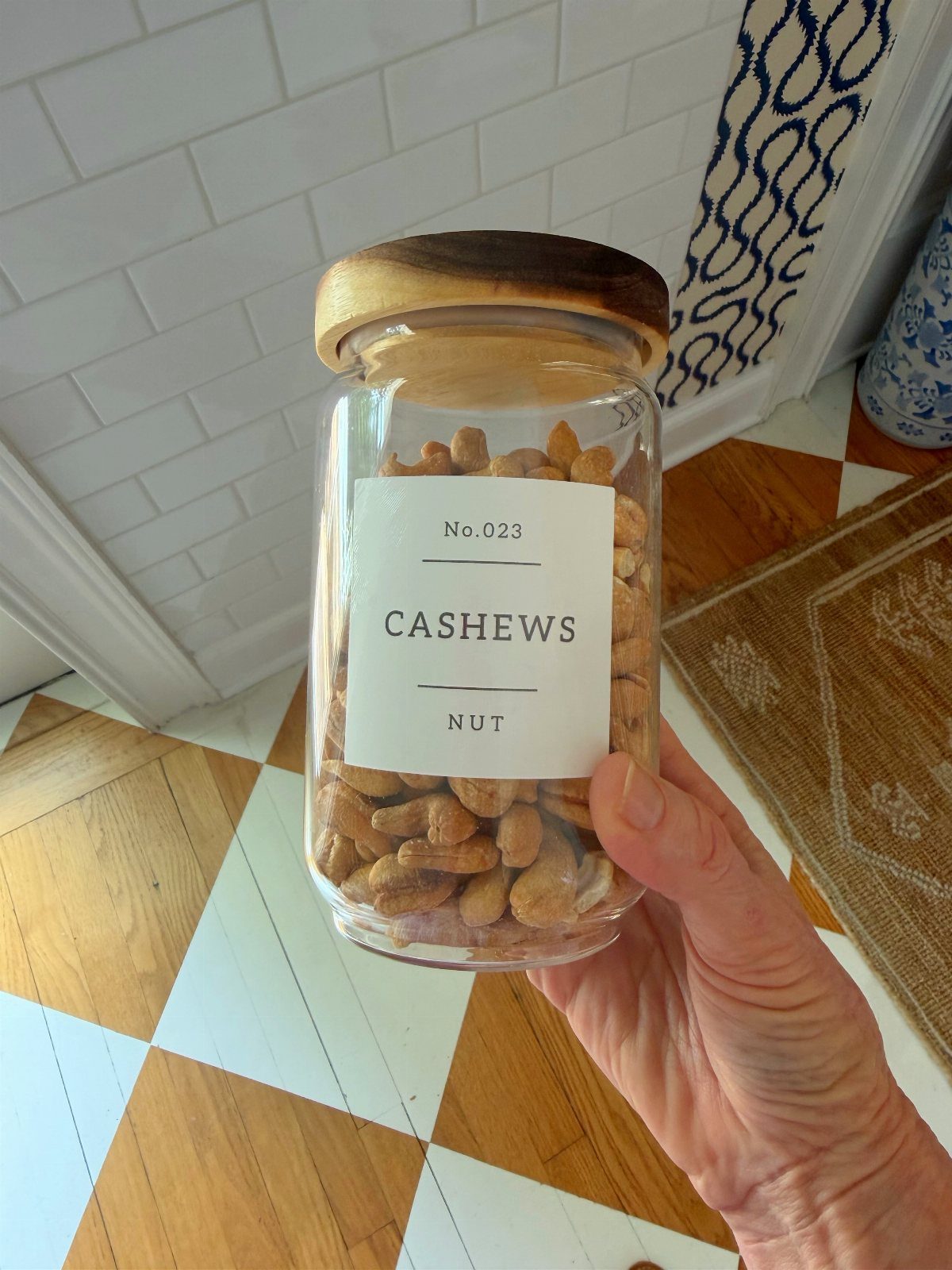
Glass jars with wooden lids or woven baskets holding dry goods make storage visible and keep ingredients you use often within reach. The uniform containers organize a cluttered counter, and seeing what you have prevents buying duplicates.
Transfer flour, sugar, rice, nuts, or pasta into jars that seal tightly enough to keep moisture and pests out.
I label each one so I do not have to guess, and I choose jars that stack or line up neatly. Baskets work for garlic, onions, or potatoes that need airflow and should not be refrigerated.
Group them by how often you use them.
10. Seasonal Counter Vignette
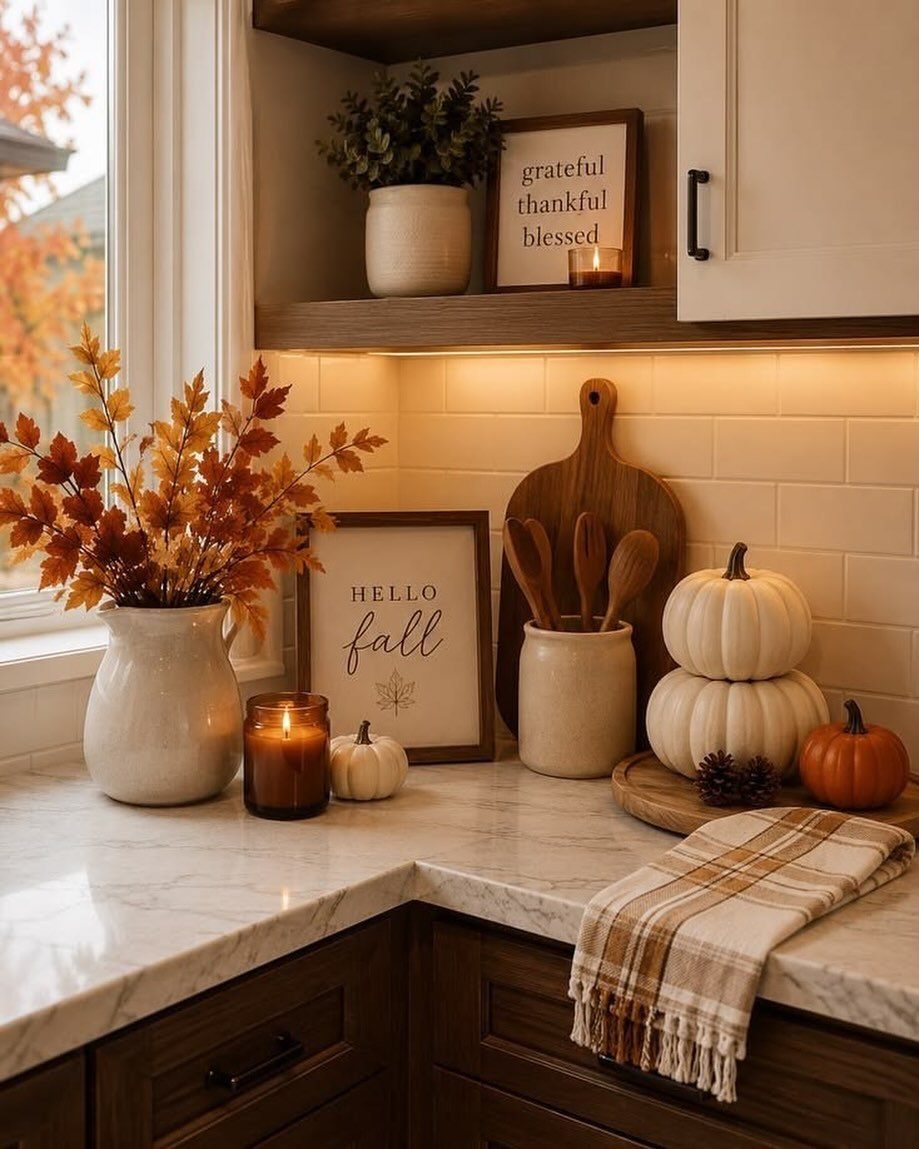
Swapping out a few pieces every season keeps the kitchen from feeling static. A small pumpkin, a bundle of dried wheat, or a bowl of pine cones shifts the mood without a full redesign.
I pick items that fit the space I have and avoid anything so large it crowds the workspace.
A tray underneath defines the arrangement and makes it easy to clear when I need the counter. If you cook daily, keep the vignette compact so it does not interfere with prep.
Store off-season pieces in a bin so the next rotation takes minutes.
11. Kitchen Artwork
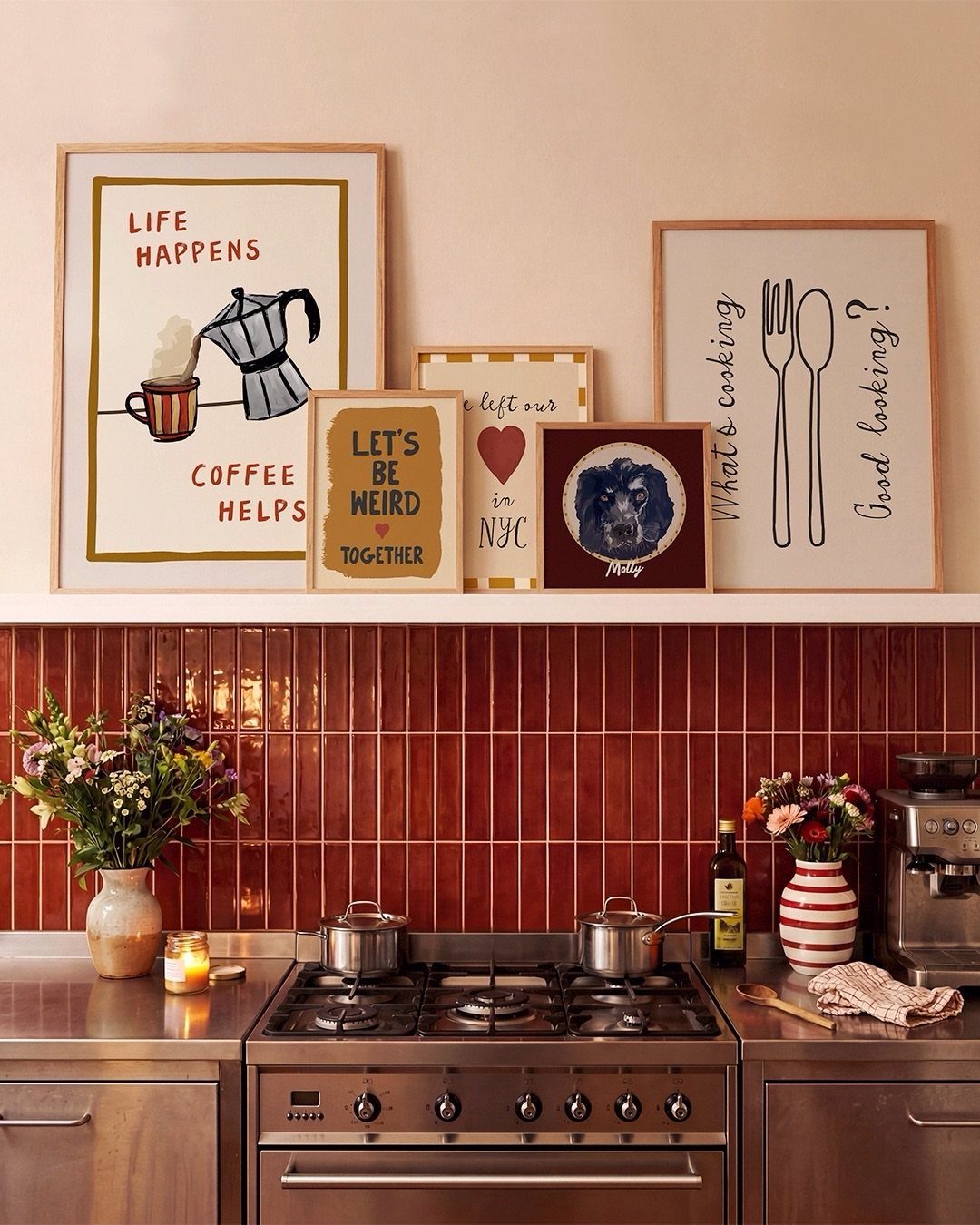
Hanging art on the wall above the counter or backsplash gives the kitchen personality and fills blank space that otherwise reads as unfinished. Food illustrations, vintage signs, or black-and-white prints all work, depending on the mood you want.
Frame them under glass to protect the paper from grease and steam, and hang them high enough that they do not get splashed during cooking.
I group smaller pieces in a loose arrangement rather than one large piece so the layout feels less formal.
Choose art you still want to see after a year of looking at it every day.
12. Candle on Pedestal
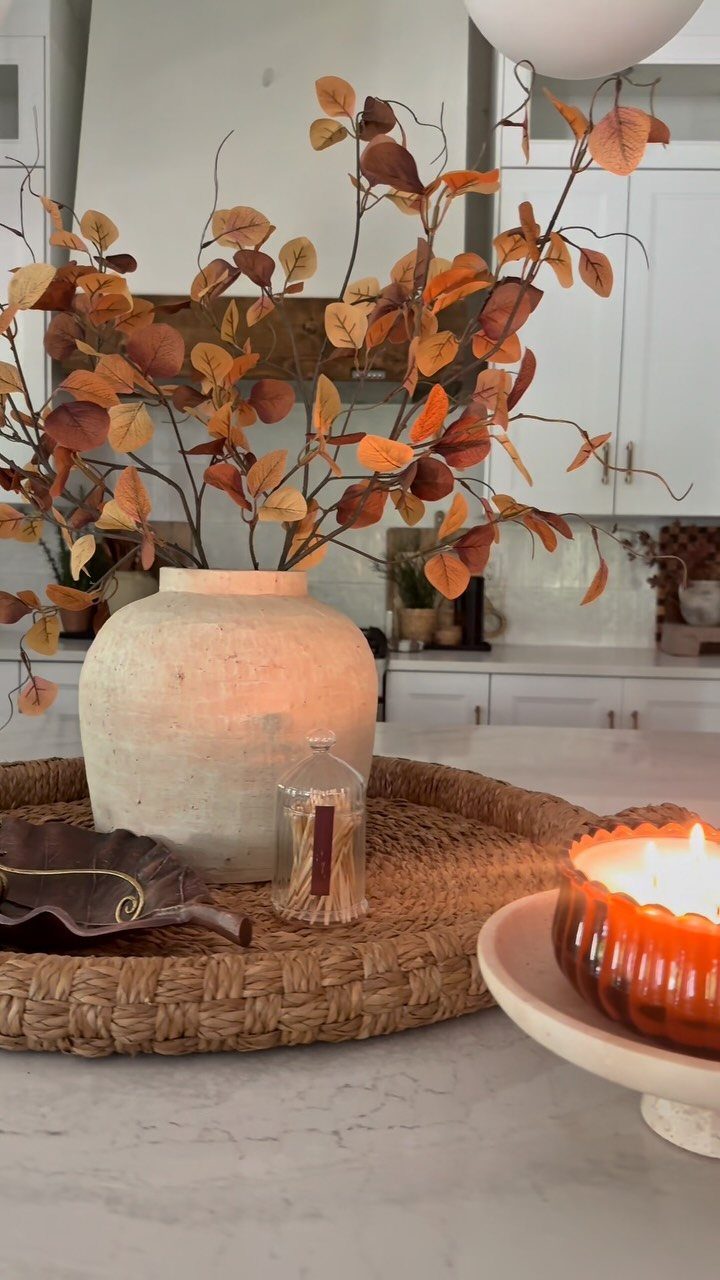
Setting a candle on a pedestal lifts it off the counter and gives it more presence than sitting flat. The height makes it easier to light and puts the flame at eye level when you walk past.
I pick a pedestal that feels stable and does not tip when you reach around it.
A simple column in wood, ceramic, or painted metal keeps the focus on the candle itself. If you burn it regularly, trim the wick to a quarter inch before each use so it does not smoke or tunnel.
Place it away from dish towels and anything else that could catch.
13. Beechwood Salt and Pepper Grinders
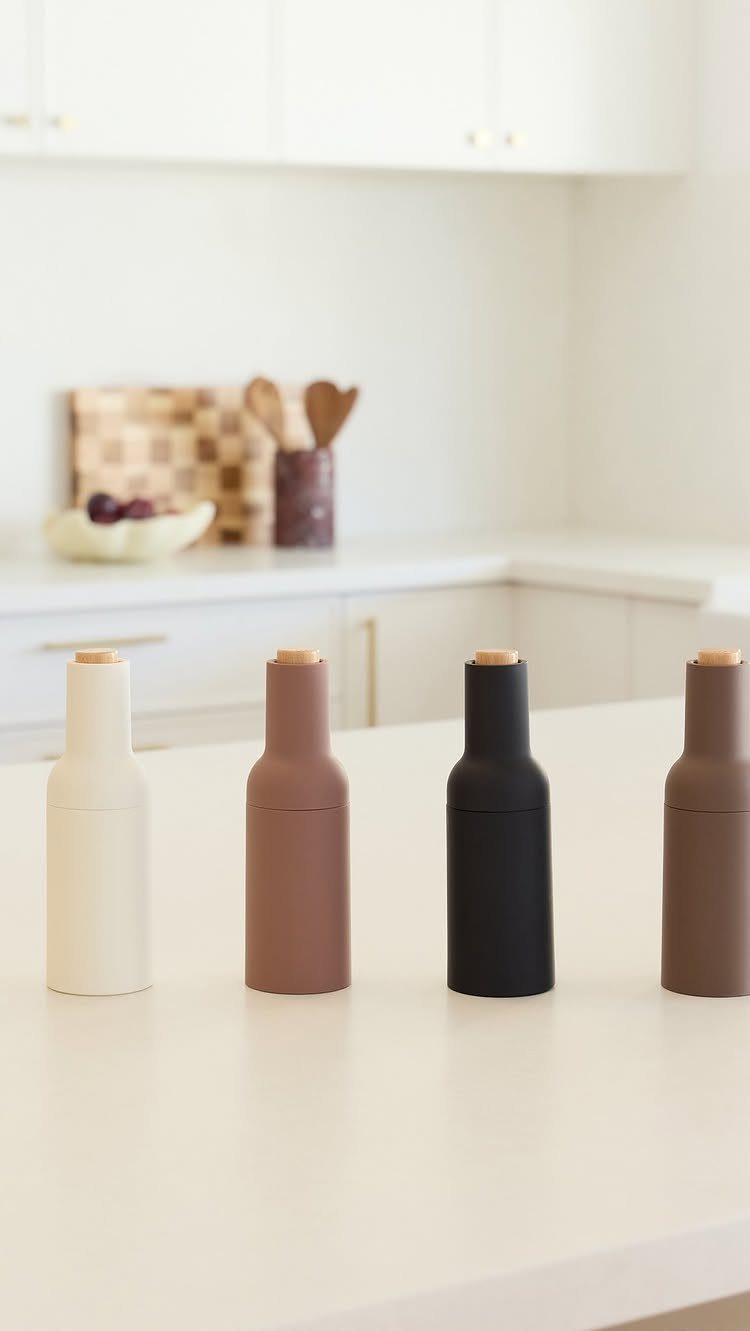
Salt and pepper grinders with beechwood tops and matte ceramic bodies sit out on the counter without looking like appliances. The wood finish warms up a neutral kitchen, and the weight keeps them from tipping when you twist the top.
Grinders give you better control over texture than pre-ground spices, and peppercorns stay potent longer when you crack them fresh. I fill mine with coarse sea salt and whole black pepper, and both last months without refilling.
Set them near the stove so you can season as you cook.
14. Cookie Jar
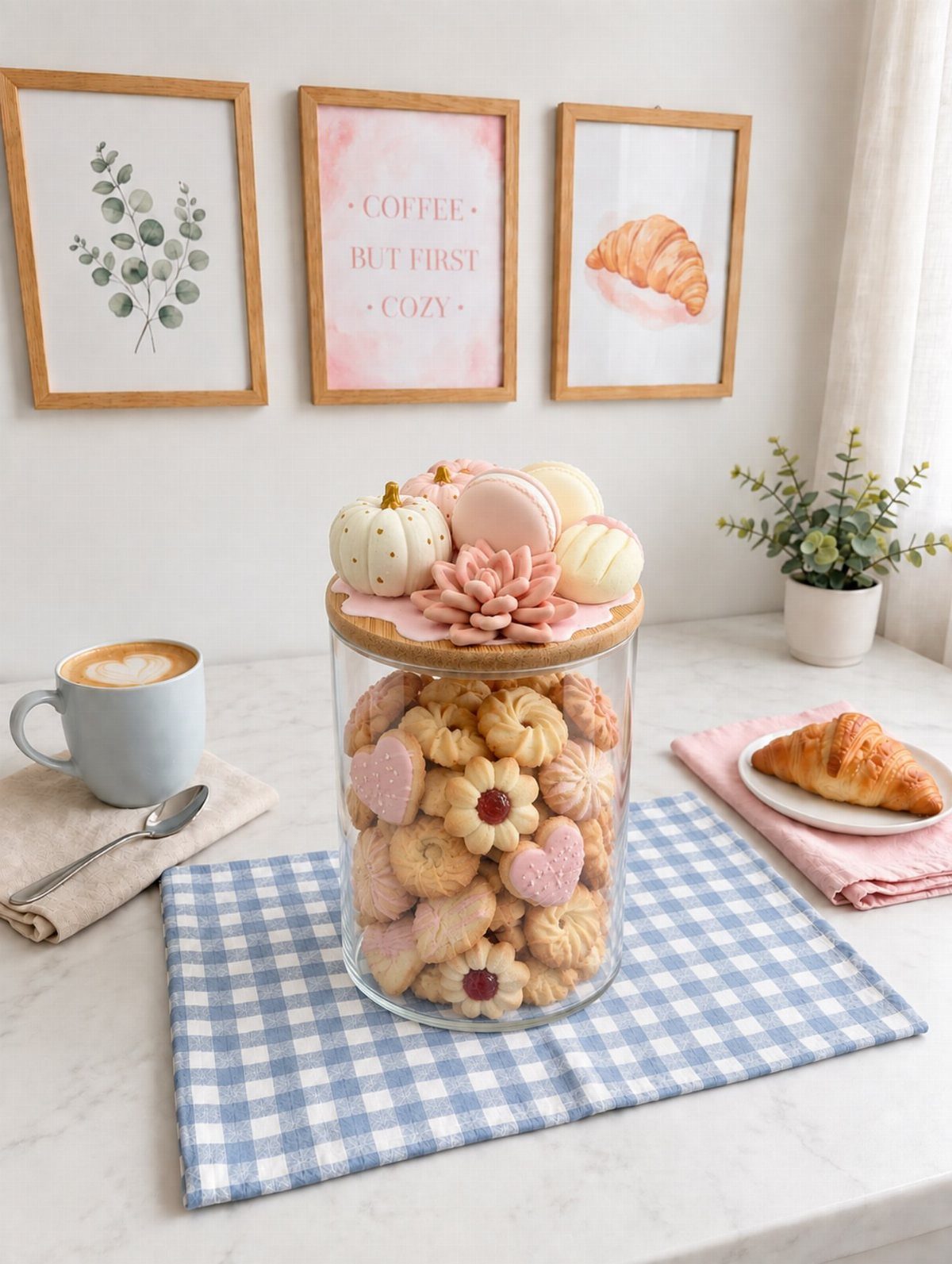
A glass jar with a lid keeps cookies, granola bars, or homemade treats visible and within reach while the counter stays tidier than an open plate.
A clear body lets everyone see what’s inside, and a wide mouth makes refilling faster than fighting a narrow neck.
Pick a jar with a seal tight enough to keep baked goods from going stale but not so airtight that soft cookies dry out. I choose one tall enough to hold a decent batch without taking up too much footprint.
Place it where guests can help themselves.
Balance Function and Decoration
Pick items that do their job and look good doing it. A wooden spoon crock, a glass soap dispenser, or a set of matching canisters all earn their place because you use them, not because they sit there filling space.
When you add something purely for looks, keep it small enough that it does not push your workspace into the backsplash.
A framed print above the sink, one stem in a clear bottle, or a reading lamp tucked near the breakfast nook does the job without claiming workspace.
If your counter is narrow or your kitchen is small, lean harder on the functional side. The less room you have, the more every object needs to justify itself.
Hide Unattractive Appliances
If an appliance looks cheap or bulky, put it in a cabinet or pantry and pull it out when you need it. Blenders, pressure cookers, and toasters that do not fit your kitchen’s finish are better stored than displayed.
A brushed-nickel toaster or a stand mixer in matte white sits fine on the counter when the appliance itself looks intentional.
Some people use cafe curtains to hide an open shelf holding a microwave, toaster oven, and blender, which keeps them accessible without showing every appliance at once.