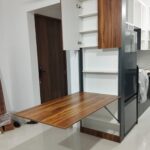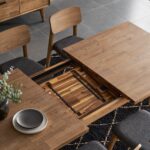
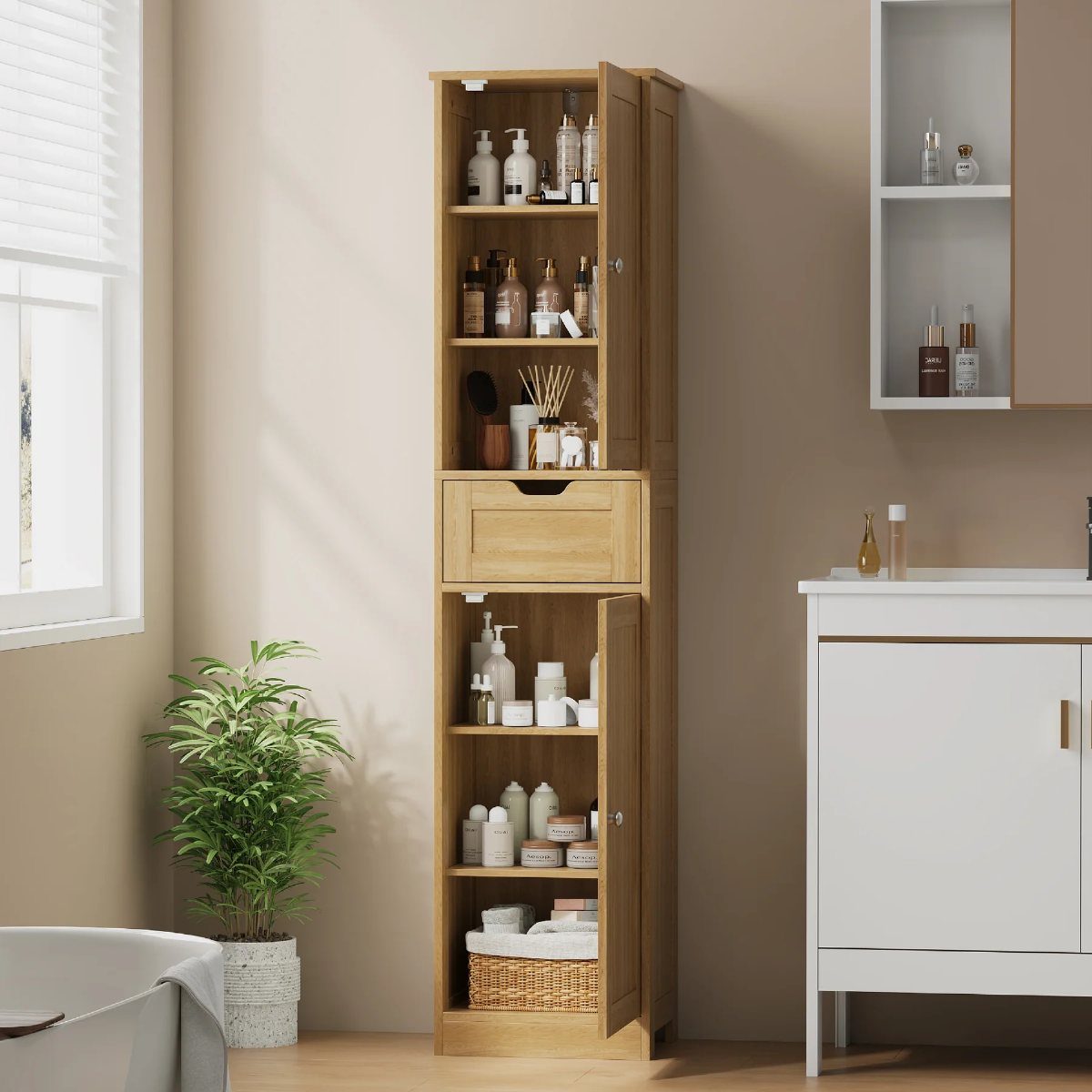
Narrow storage options range from 6-inch pull-out pantry racks to full-height cabinets that claim only the width they need against a wall.
The deciding factor is how much vertical room you have: shallow spaces suit wall-mounted hooks or slim shoe cabinets, while corners and alcoves with height to spare can hold tall shelving or window-nook benches with storage built into the base.
A cart on casters works when you need supplies mobile, and drawer organizers separate what you already own into visible sections instead of adding another piece of furniture.
1. Use Vertical Space
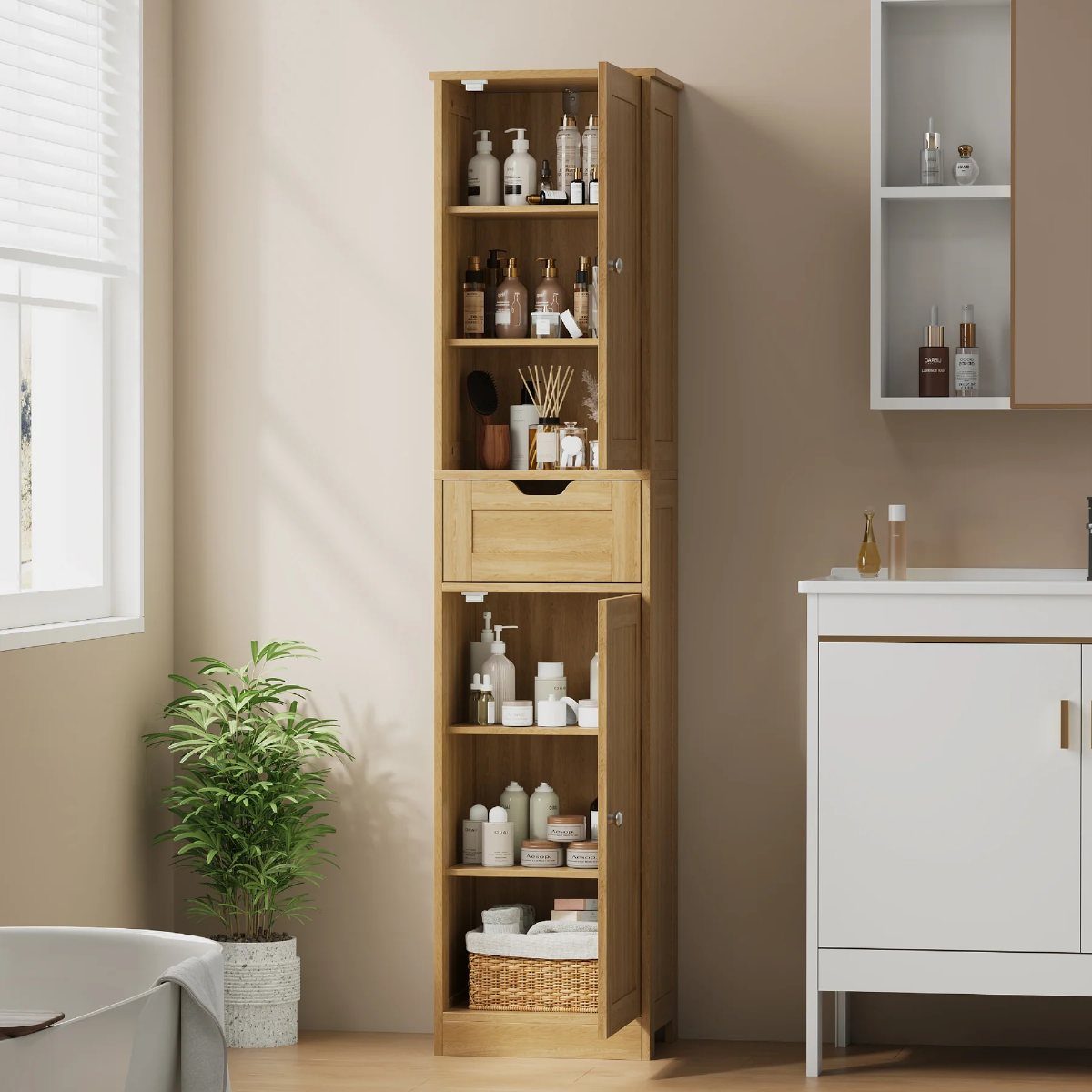
A tall cabinet or shelf fitted against a wall lets you store folded linens, toiletries, or small household items without claiming floor space you need for movement.
The vertical format works best in bathrooms, hallways, or beside furniture where width is limited but ceiling height gives room to stack upward.
Look for units narrow enough to fit the available wall but tall enough to hold several shelves. Freestanding pieces move with you if you rent, and built-in shelving can be anchored once you own the space.
2. Under-Bed Storage
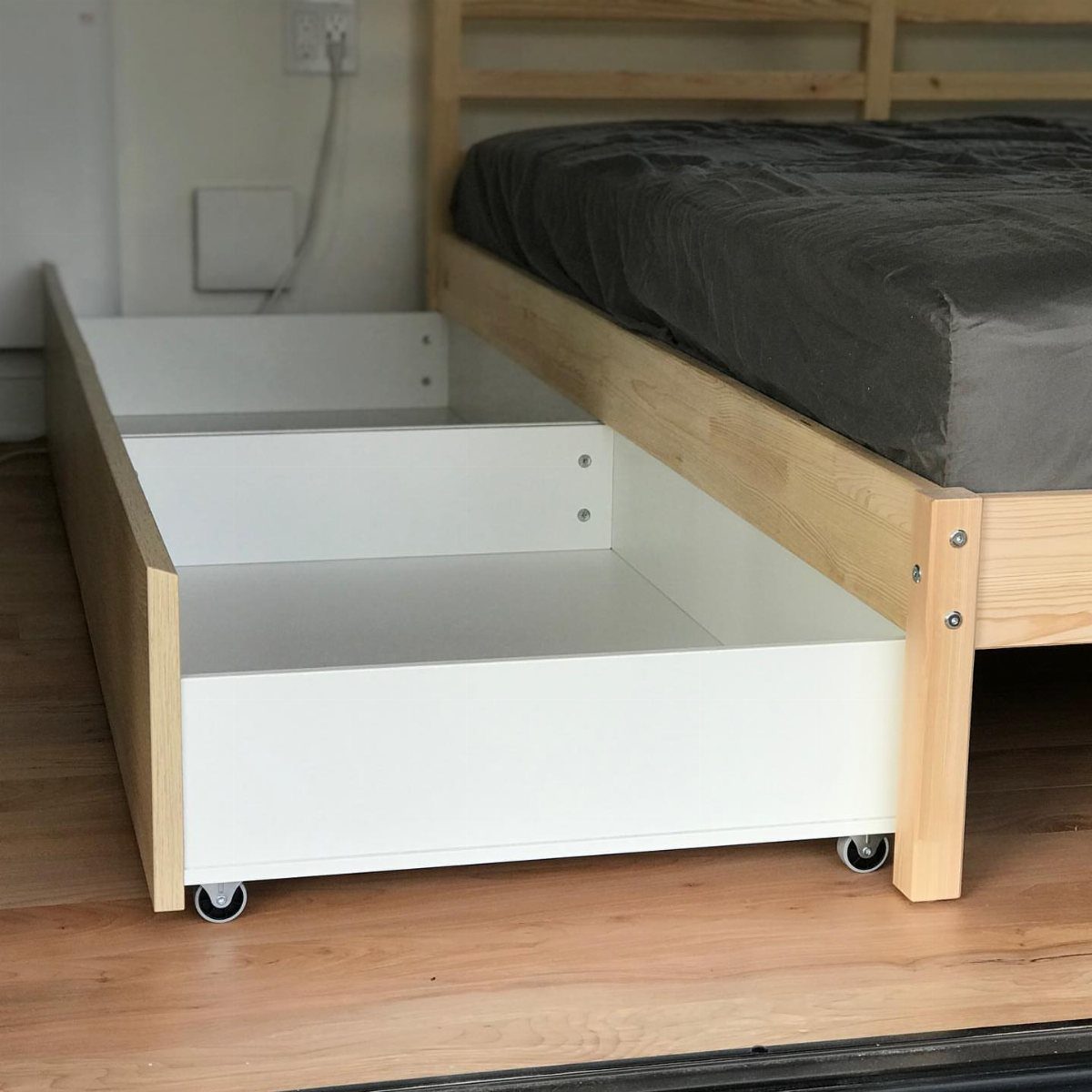
Sliding a drawer or bin beneath the bed frame turns wasted height into usable storage for shoes, seasonal clothing, extra bedding, or anything else you want out of sight.
The area stays accessible without requiring you to lift the mattress or rearrange furniture.
Wheeled bins roll out easily on hard floors. If the bed sits low, measure the clearance before buying; most rolling drawers need enough room underneath to fit and pull smoothly.
3. Hooks and Wall Racks
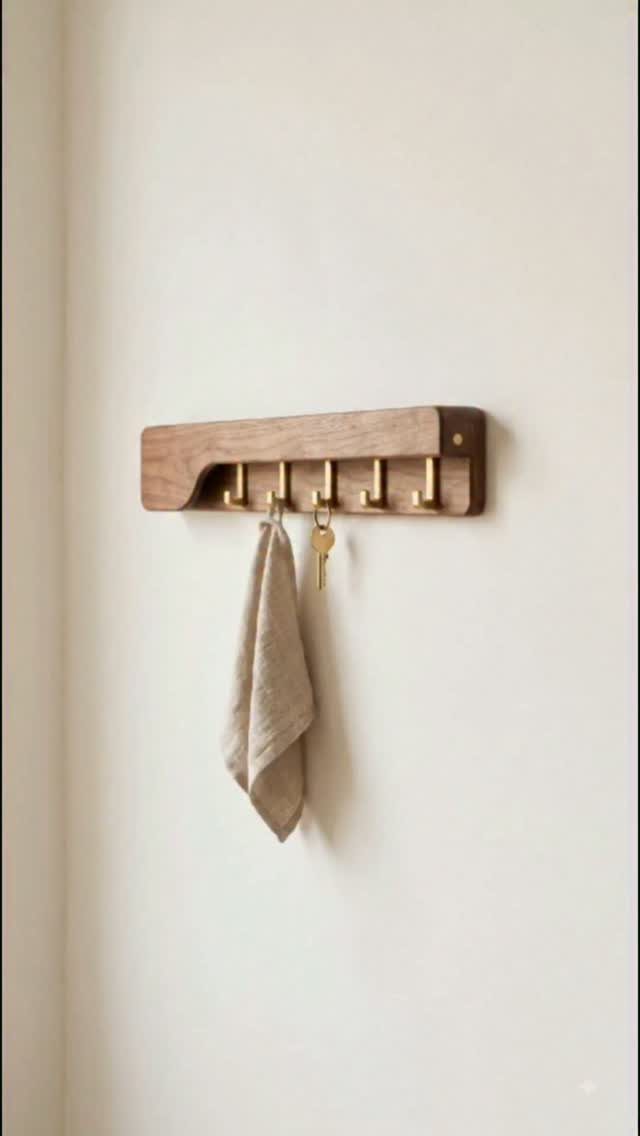
Mounting a row of hooks on a wall or inside a closet door gives you a place to hang bags, scarves, jackets, towels, or keys instead of piling them on a chair or counter.
The setup takes a few minutes and works in entryways, bathrooms, bedrooms, or mudrooms where surface area is tight.
Choose adhesive hooks if you rent and cannot drill, or screwed-in hardware if you want a more permanent hold. Spacing the hooks with a few inches between them leaves enough room for bulkier items without crowding.
4. Pull-Out Pantry Shelving
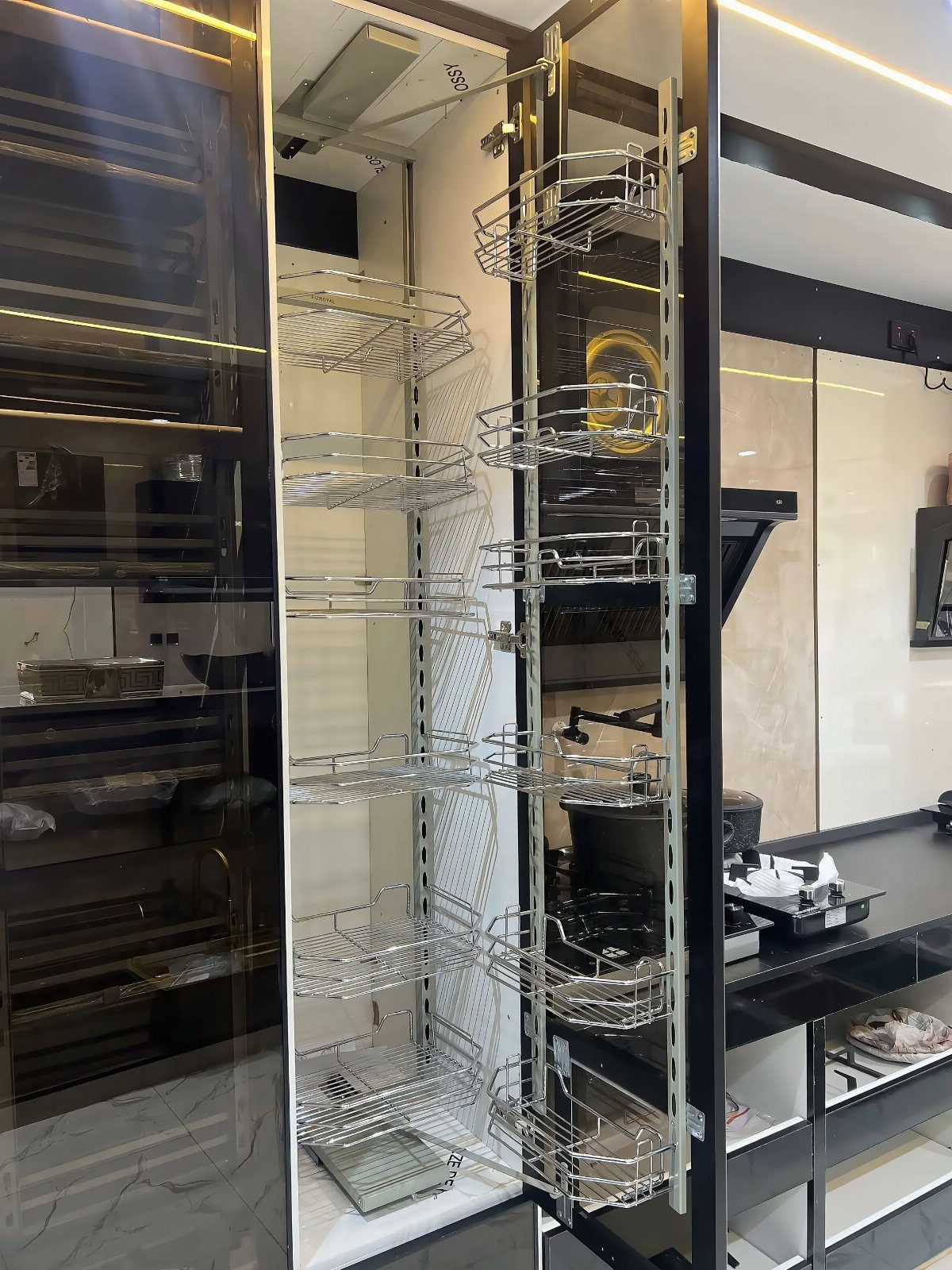
A narrow pull-out shelf or rolling rack fitted between cabinets or along a wall gives you pantry storage in a footprint as slim as 6 inches.
Canned goods, spices, oils, and boxed ingredients stay visible and within reach, and the gliding mechanism lets you see everything at once instead of digging through a deep cabinet.
Some versions mount on slides inside existing cabinetry, while others stand alone and tuck into gaps beside the refrigerator or stove. Measure the width and depth of your space before ordering to confirm the unit will clear surrounding appliances.
5. Rolling Storage Cart
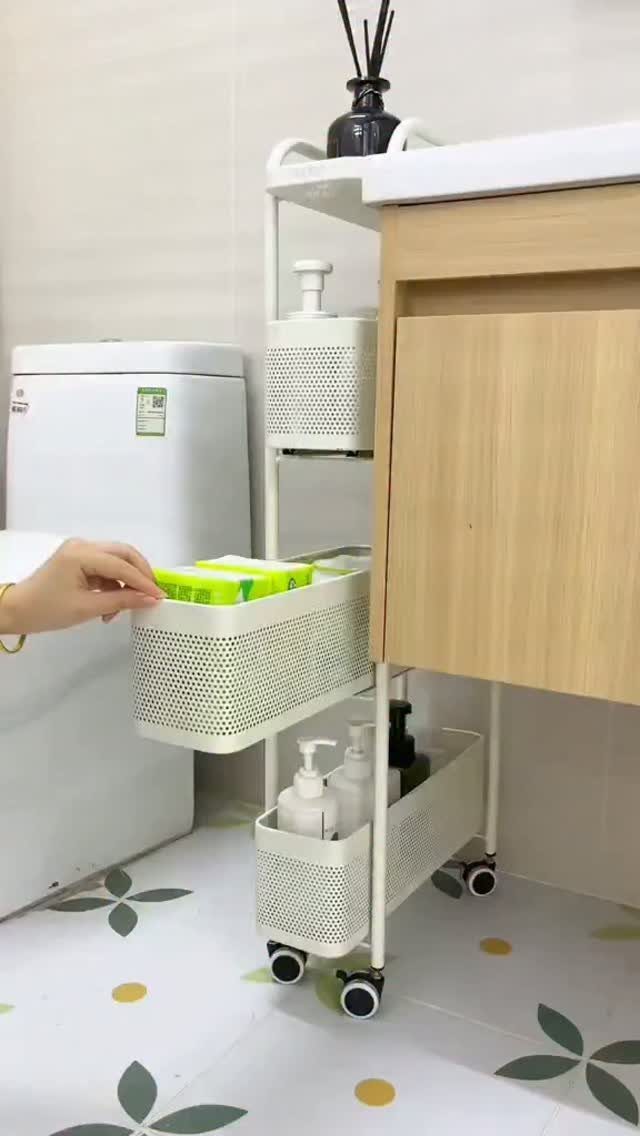
A cart on casters holds cleaning supplies, bath products, craft materials, or kitchen tools and tucks into a corner, closet, or beside furniture until you need it.
The wheels let you move the cart to wherever you are working, and the open bins or shelves keep contents visible and easy to grab.
Perforated or wire baskets improve airflow if you store damp items like sponges.
Measure the cart’s footprint and the width of the space where you plan to tuck it so it rolls in and out without catching on baseboards or door frames.
6. Over-Toilet Storage
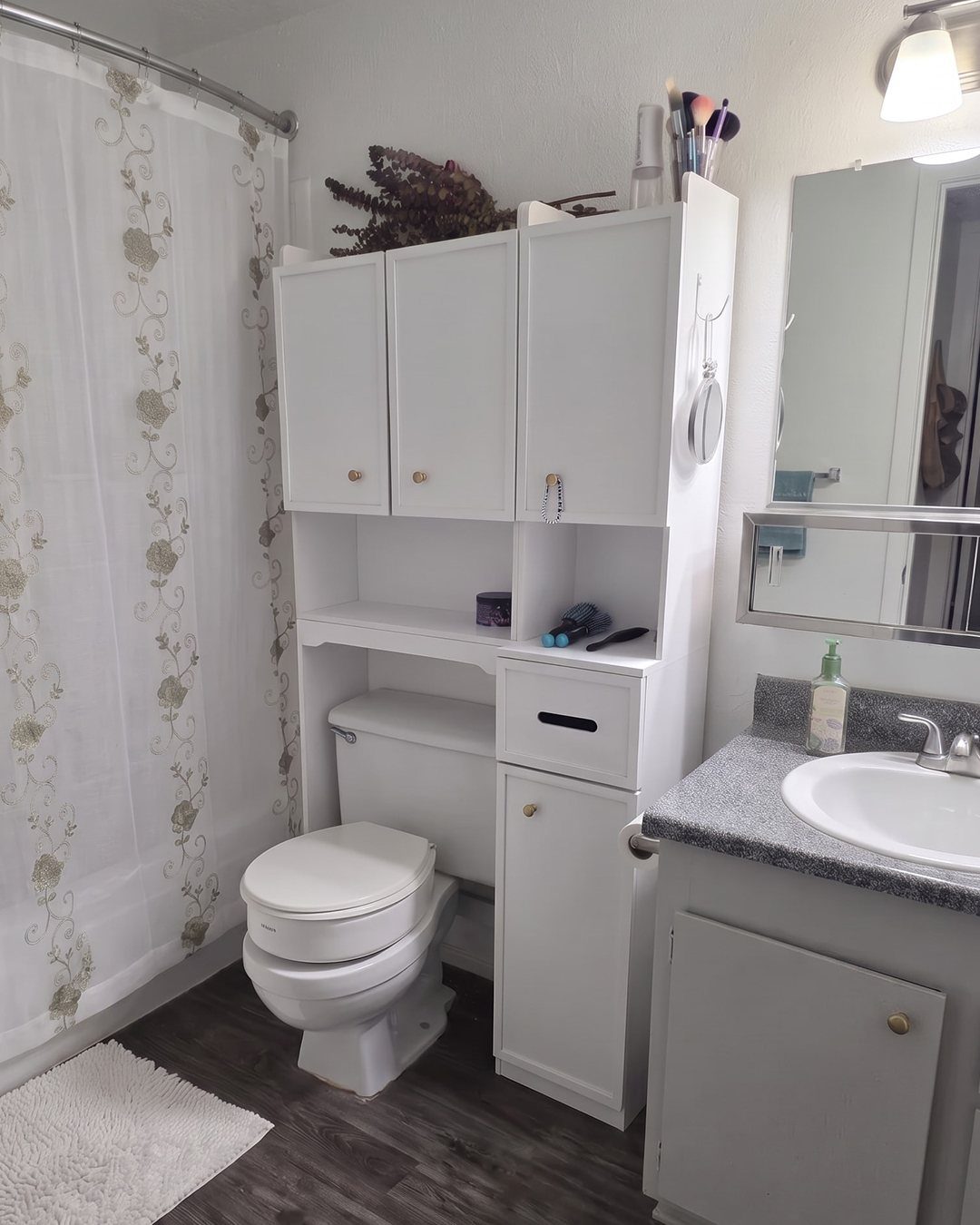
Fitting a cabinet or open shelving unit over the toilet adds bathroom storage without taking up any floor space.
Shelves hold extra rolls, towels, toiletries, or baskets of smaller items, and the cabinet doors keep clutter hidden if you prefer a cleaner look.
Most over-toilet units are freestanding and rest on legs that straddle the bowl, so installation is straightforward.
Measure the height and width of the space above your toilet before buying to confirm the unit will fit without blocking the tank or interfering with the lid.
7. Storage Benches
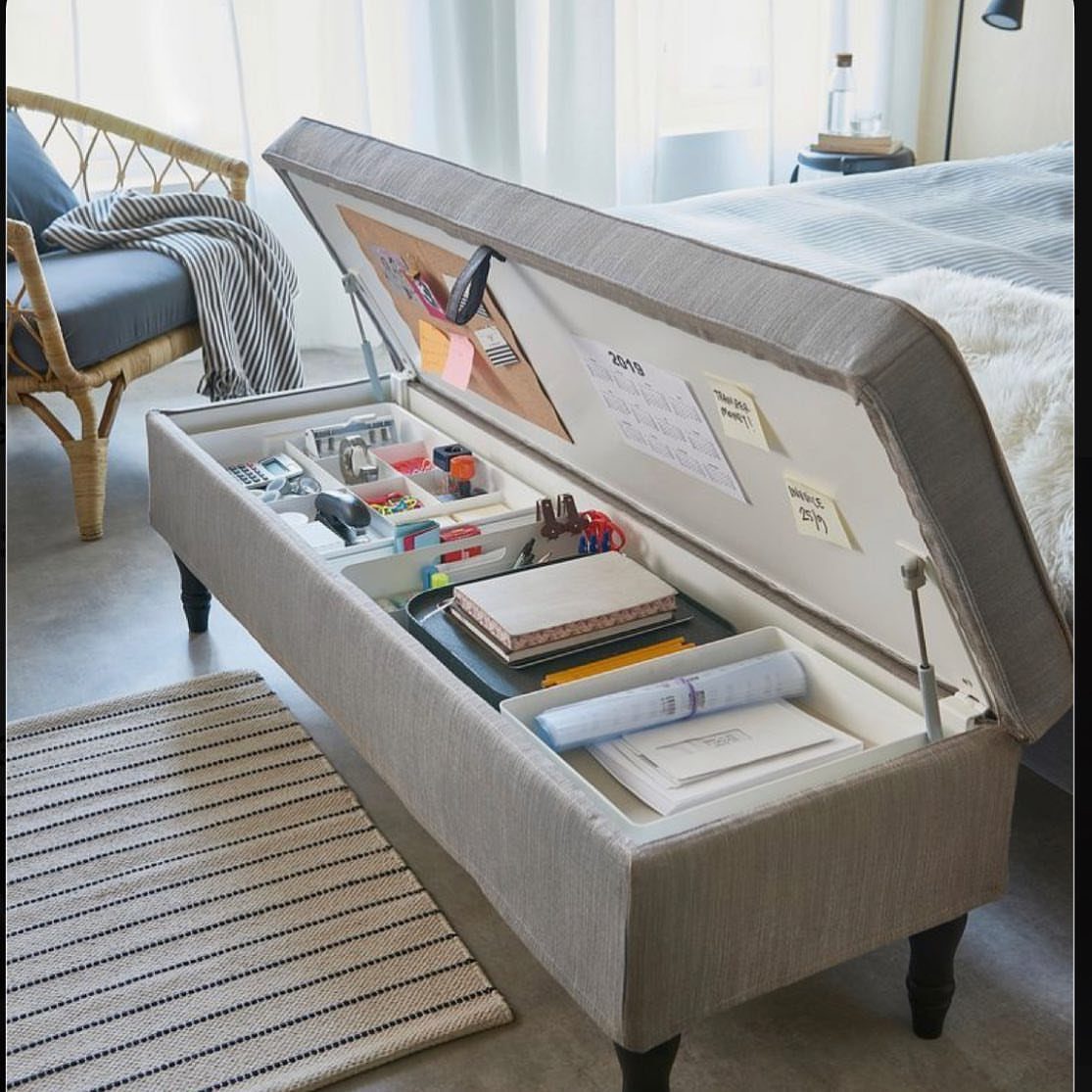
A bench with a hinged lid or open storage below gives you a place to sit while putting on shoes and a spot to stash items you want out of view.
The enclosed space works for blankets, shoes, bags, or anything else that tends to pile up in a bedroom or entryway.
Fabric or upholstered tops add cushioning. If the bench sits at the foot of a bed, measure the width to confirm it fits without blocking drawers or doors.
8. Drawer Organizers
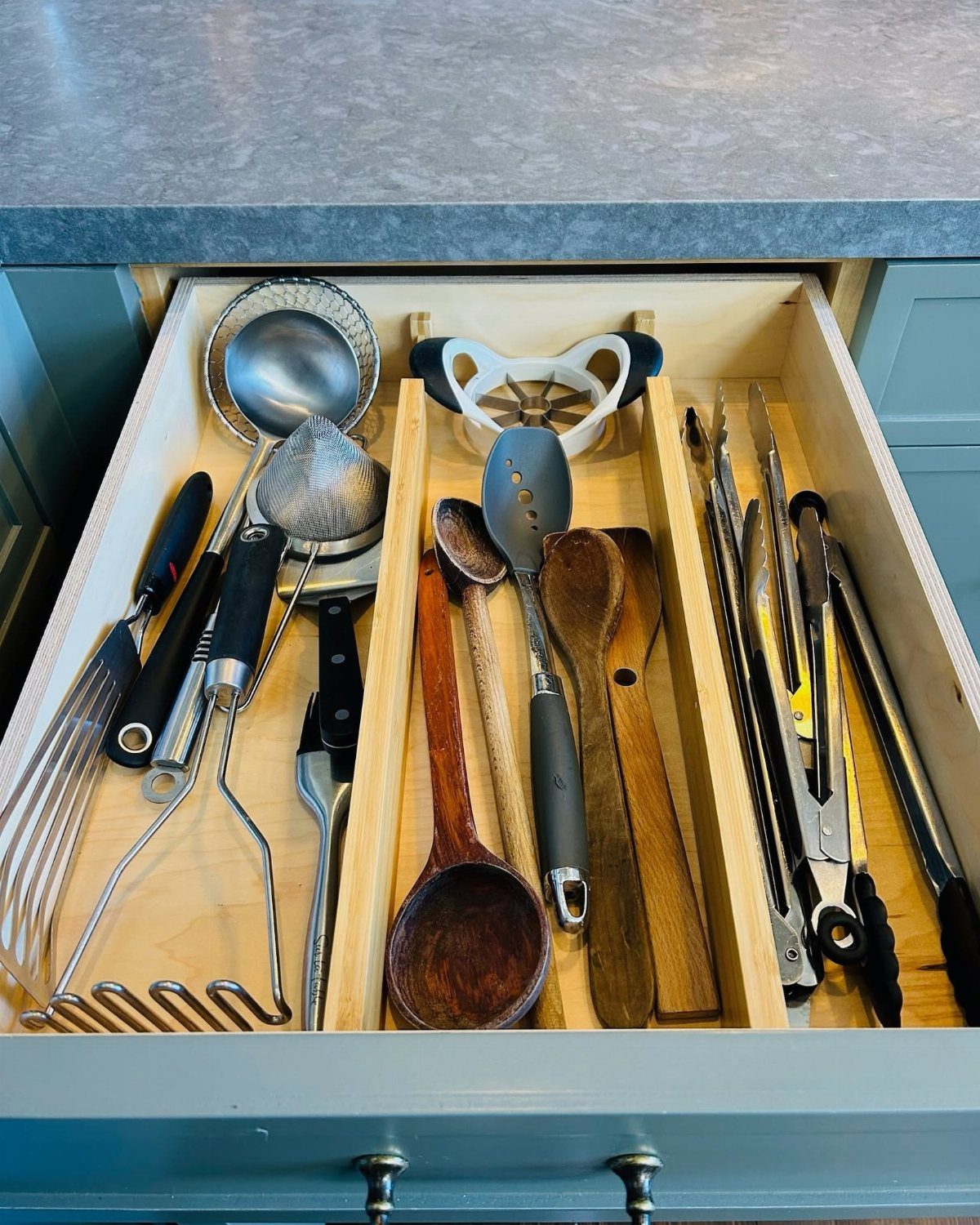
Slotting dividers or trays into a drawer separates utensils, tools, cosmetics, or office supplies so each item sits in its own section instead of sliding around in a jumbled pile.
The partitions let you see what you have at a glance and pull out exactly what you need without rummaging.
Adjustable dividers fit drawers of different widths. Measure the interior dimensions of the drawer before buying so the organizer sits flat and does not block the drawer from closing completely.
9. Window Nook Storage
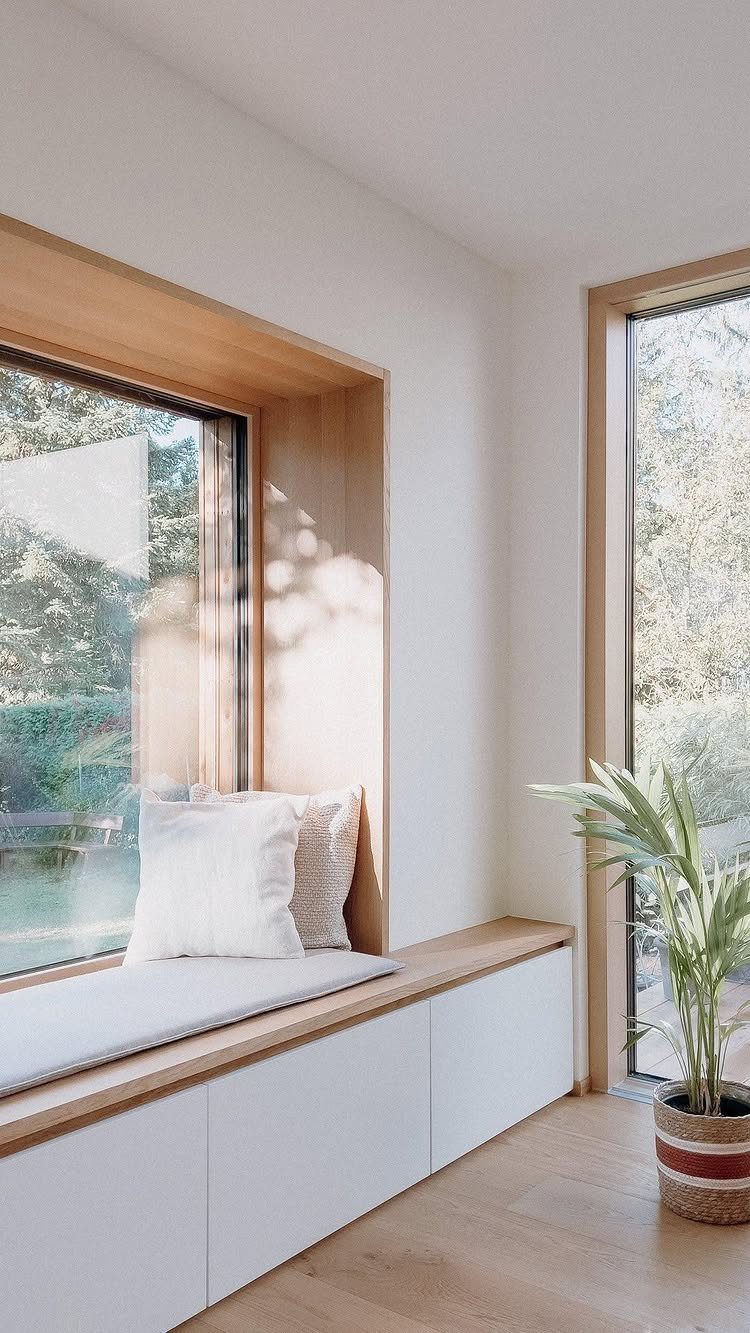
Building a bench into a window alcove or corner and fitting drawers or cabinets underneath turns an underused spot into both seating and storage.
The enclosed compartments hold books, linens, toys, or seasonal items, and the bench itself adds a place to read or sit without needing a separate chair.
The seat height should match typical bench dimensions so it feels comfortable. If you rent, a freestanding bench with baskets or bins underneath gives a similar effect without permanent construction.
10. Shoe Storage Cabinet
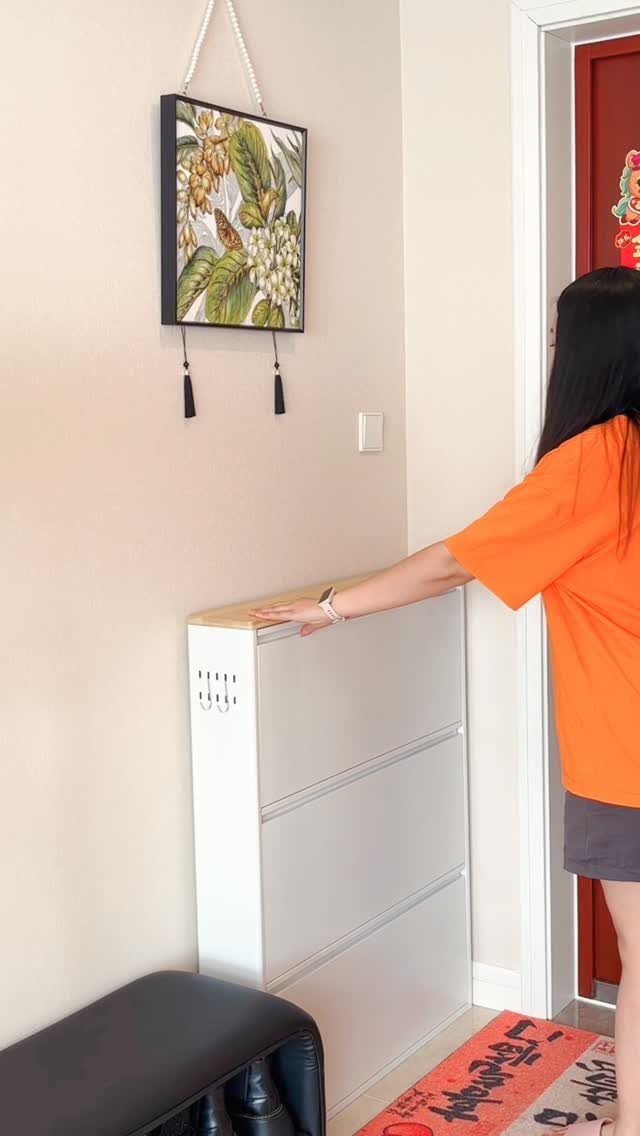
A slim cabinet designed for shoes keeps pairs upright and organized in a footprint narrow enough for an entryway or hallway.
Tilted shelves or compartments hold each pair in view, and the top surface can hold keys, mail, or a small plant.
Measure the cabinet depth to confirm it fits the length of your longest shoes. Closed-front models hide clutter, while open or slatted designs improve airflow and let damp shoes dry faster.
Frequently Asked Questions
What are some ideas for storage in a narrow space?
Vertical cabinets, pull-out pantry racks, and over-toilet shelving all work in tight footprints by building upward or fitting into gaps between existing fixtures.
Wall-mounted hooks and slim rolling carts add storage without blocking walkways. Under-bed bins and shoe cabinets stay functional in widths too narrow for standard furniture.
What are some good ideas for storage in small spaces?
Wall-mounted shelves, slim rolling carts, and stackable bins keep belongings off the floor in hallways, entryways, and tight bathrooms.
Rolling carts and storage benches tuck into corners or closets until you need them. Drawer organizers and wall hooks keep smaller items sorted and visible instead of scattered across counters.
What to use instead of a closet?
A garment rack or freestanding wardrobe holds hanging clothes in a room without built-in closet space.
Floating shelves paired with a tension rod or curtain rod mounted in a corner can create a mini-closet zone. Modular wardrobe systems and armoires offer compartments for folded and hanging items in one piece.
What are some DIY, cheap storage ideas?
Adhesive hooks mounted on walls or inside doors hold bags, scarves, and towels without drilling.
Rolling bins tucked under the bed or a freestanding shelf against a wall add capacity for the cost of the unit alone. Drawer dividers separate utensils and cosmetics, and most adjust to fit without custom sizing.
How do you organize a small house with no storage space?
A bench with lift-up storage or slide-out drawers turns a window nook or corner into hidden space for blankets, board games, or off-season clothes.
Freestanding versions with baskets work in rentals. Vertical shelving and over-toilet units claim wall height instead of floor space in bathrooms and hallways.
How do you organize a small room?
A tall shelf or bookcase fitted into a corner holds books, bins, and folded items from floor to ceiling without spreading across the wall. Smaller wall-mounted shelves above a desk or dresser add surface area for daily items.
A narrow cart on casters moves between the kitchen, bathroom, and bedroom as needs change, and a storage bench slides under a window or against a wall when it is not in use.