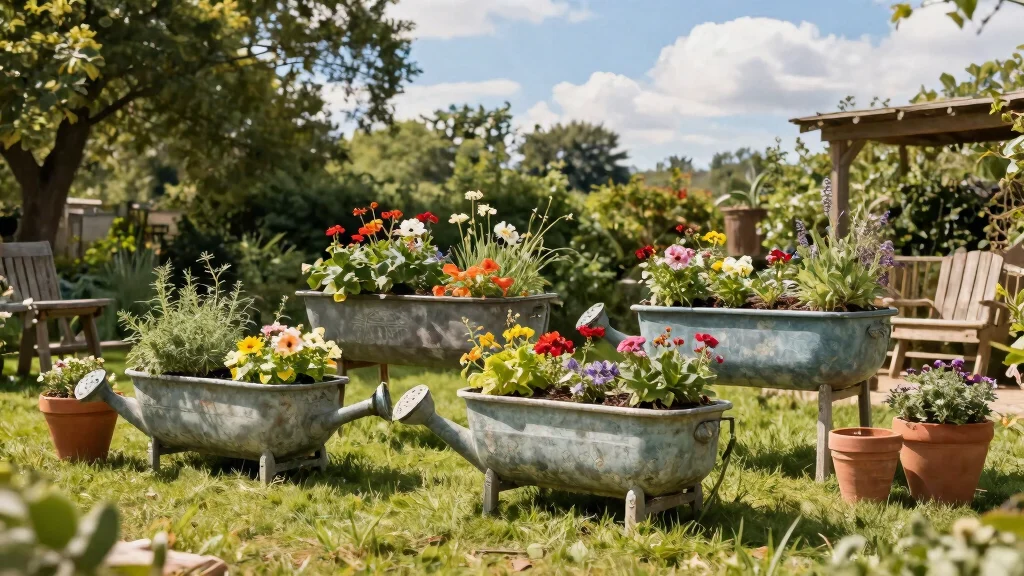
Creating a beautiful garden doesn’t have to mean sacrificing style for functionality. If you’re anything like me, you find yourself drawn to rustic charm, especially when it comes to gardening. The allure of vintage water troughs as planters combines that rustic aesthetic with the practicality we all crave. With their unique character and ample space for plants, water trough planters can be the perfect focal point for your small outdoor space, transforming it into a charming garden retreat.
If you love gardening and have a passion for repurposing items, this post is for you! Whether you’re already a gardening enthusiast or just starting out, you’ll find tips and ideas that cater to your interests. In this guide, I’ve put together 15 creative and visually appealing water trough planter concepts that not only drain properly but also enhance your garden’s rustic vibe. You’ll discover various ways to use these unique containers, ensuring your plants thrive while adding a touch of character to your outdoor space.
By exploring these upcycled garden décor ideas, you’ll gain valuable insights and inspiration for your gardening projects. You’ll learn about drainage solutions for planters, how to create specific themes, and the best plants to use for each concept. Whether you’re looking to grow herbs, colorful flowers, or even vegetables, you’ll be equipped with the knowledge to make your garden not just functional but also a beautiful reflection of your style.
Key Takeaways
– Water trough planters are both functional and stylish, providing excellent drainage and a rustic aesthetic for small space gardening.
– Incorporating different themes, such as herb gardens or fairy gardens, allows for creativity and personalization in your gardening approach.
– Each planter concept mentioned offers unique benefits, from growing edible plants to creating decorative displays.
– Using upcycled materials like water troughs can save money and add character to your garden while being environmentally friendly.
– Implementing proper drainage solutions is crucial for the health of your plants, ensuring they thrive in any planter setting.
1. Rustic Herb Garden Trough
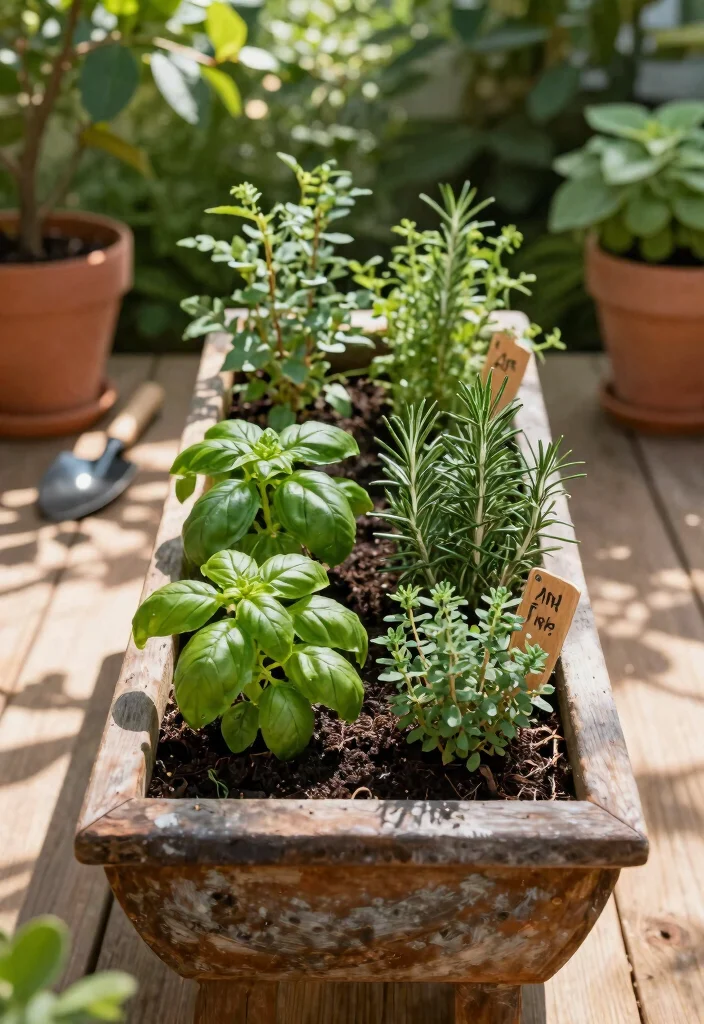
Picture your own vintage water trough transformed into a charming herb garden. This delightful setup allows you to cultivate an array of flavorful herbs like basil, thyme, and rosemary right at your doorstep. The rustic aesthetic adds character to your outdoor kitchen, making fresh ingredients easily accessible for your culinary adventures.
To ensure your herbs thrive, drill drainage holes in the trough’s bottom for excess water to escape. Adding decorative labels can help you keep track of your herbs while enhancing the garden’s charm. For added visual interest, experiment with herbs of varying heights, such as chives and tall basil, creating a beautiful layered effect.
Key steps to get started:
– Regularly trim herbs to promote new growth.
– Place the trough in a sunny location, as most herbs prefer sunlight.
– Consider an outdoor shelf to store pots and gardening tools.
Your rustic herb garden will not only enhance your space but also provide a constant supply of fresh ingredients for your meals!

EASY SET-UP: Comes pre-assembled and ready to use (potting soil and plants not included), holds 59 dry quarts of soil, includes 2 planters and 2 plugs, dimensions 14.5" H x...
2. Vibrant Flower Display
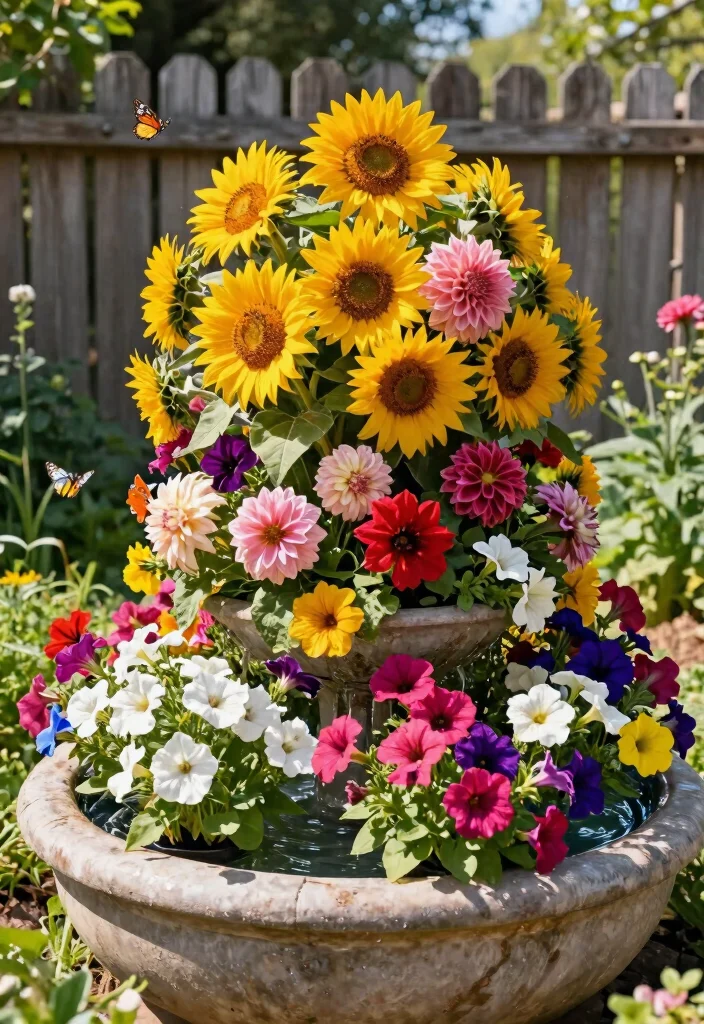
Turn your water trough into a vibrant flower display that breathes life into any part of your garden. A mix of colorful blooms like sunflowers, dahlias, and petunias creates a stunning visual feast that attracts attention. By planting taller flowers at the back and cascading varieties in the front, you can maximize the beauty of the arrangement.
For optimal drainage, start by adding gravel at the bottom of the trough before planting. This ensures water flows freely and prevents soil compaction. Regular deadheading can keep your flowers looking vibrant and encourage new blooms to flourish.
Creative ideas for your display:
– Combine various colored flowers for a lively look.
– Add trailing vines like sweet potato vine for a dynamic touch.
– Use seasonal flowers to keep your display fresh throughout the year.
Your flower trough will not only brighten your garden but also attract pollinators like bees and butterflies, enhancing the overall ecosystem.

VERSATILE WALL DECOR: Perfect for flowers, herbs, succulents or faux greenery. Ideal for indoor walls, balconies, patios, kitchens, or entryways.

Size: 60×29×11 in, 68 gallons of soil required.

【Rustic Vintage Farmhouse Style】 This rectangular metal trough planter features weathered distressed blue & off-white speckled finish with subtle rust accents and elegant curly scroll legs, perfectly matching farmhouse, cottage, shabby chic and vintage home decor to add aged charm to your space.
3. Vertical Succulent Garden
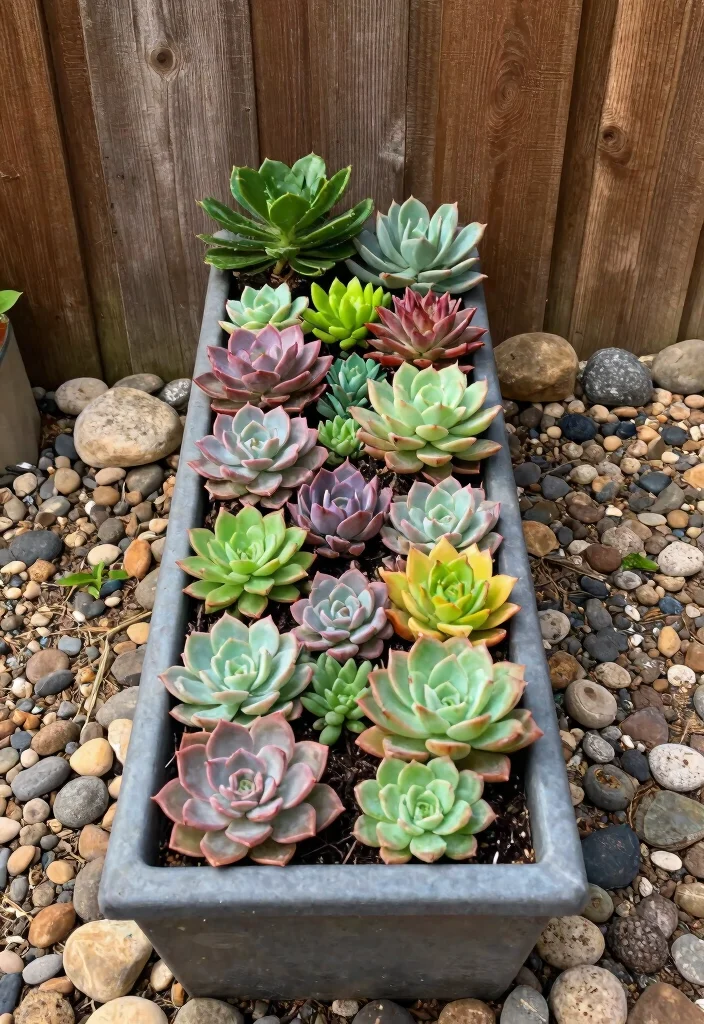
Succulents are perfect for maximizing small spaces, and a water trough makes an ideal vertical garden for showcasing these unique plants. Arrange a variety of succulents to cascade down the sides, adding a stunning visual element to your outdoor area.
Ensure proper drainage by placing a layer of rocks at the bottom and using a well-draining soil mix tailored for succulents. Regularly check for moisture levels to avoid rot. With this visually striking arrangement, you’ll create a captivating conversation piece in your garden.
Suggestions for your succulent garden:
– Combine different succulent types for varied textures.
– Use a mix of colors, heights, and shapes to keep it interesting.
– Add decorative stones or driftwood for a natural touch.
This eye-catching succulent garden will draw attention while thriving with minimal care, making it a perfect addition to your landscape.

【Indoor Herb Garden】Experience the joy of gardening with our specialized indoor herb planter. This set includes a planter with a tray but does not come with plants and seeds. Designed specifically for herb cultivation, these planters can be used both indoors and outdoors. Crafted from durable metal with a sleek, glossy white finish, they blend functionality with a farmhouse style to enhance your living space.

【 Vertical Raised Garden Bed with Trellis】Perfect for home gardening lovers, this herb planter outdoor with 4 garden boxes let you plant vegetables, herbs, and flowers in separate plant bed while the 11-inch trellis supports climbing plants like tomatoes, strawberries, vines, and peppers. The balcony raised garden beds outdoor with legs creates an optimal environment for your plants to thrive.

【16inch Window Box Planter】Dimensions: 16×3.8×3.3" (planter) + 15.1×3×1.2" (saucer). Perfect for herbs, succulents, cacti, lilies, or faux plants. Holds soil, pebbles, or decorative stones.
How To Choose The Right Water Trough Planter
Choosing the right water trough planter for your garden can elevate your outdoor space while providing effective drainage solutions. With so many options available, it’s important to consider a few key factors to ensure you select the best one for your needs. Here’s what to keep in mind:
1. Size Matters
Consider the size of your space and what you plan to grow. Measure the area where you want to put your planter. A larger trough allows for versatile planting, such as a variety of herbs or vegetables, while a smaller one may be perfect for decorative plants. For example, a 48-inch trough can accommodate a small vegetable garden, while a shorter 30-inch trough can serve as a charming herb planter.
2. Material Choices
Water trough planters come in various materials like galvanized steel, aluminum, and wood. Each material has its advantages. For instance, galvanized steel is durable and resistant to rust, while wooden troughs can provide a rustic look but may require treatment to withstand the elements. Think about the aesthetic you want to achieve and the maintenance you’re willing to do.
3. Drainage Solutions
Proper drainage is vital for plant health. Ensure your chosen trough has pre-drilled drainage holes or consider drilling them yourself. Without adequate drainage, water can accumulate, leading to root rot. You can also add gravel at the bottom of the trough to promote better water flow. This small step can save your plants from drowning during heavy rains.
4. Style and Aesthetic
Your water trough planter should complement your garden style. Rustic garden planters add charm and warmth to any outdoor setting. You might prefer a vintage look with an aged metal appearance or a sleek modern design. Choose a design that reflects your personality and enhances the overall look of your garden. A cohesive style will make your space feel inviting and well-planned.
5. Budget Considerations
Planters can vary widely in price. Set a budget before shopping to narrow down your options. While some vintage water troughs can be found at affordable prices, high-end models may offer unique designs or special materials. Remember that investing in a quality planter can pay off in the long run through durability and aesthetics.
6. Seasonal Versatility
Think about how you might use your planter throughout the seasons. Some planters can be adapted for seasonal displays, such as winter greens or spring blooms. If you want to change your garden’s look often, pick a trough that can accommodate various plants year-round. This versatility can make your garden look dynamic and fresh with minimal effort.
Pro Tip: Before finalizing your choice, look for local stores or online marketplaces to compare prices and designs. Sometimes, second-hand troughs can be beautifully upcycled for your garden at a fraction of the cost.
Selecting the right water trough planter involves careful consideration of size, material, drainage, style, budget, and versatility. These factors will help you create a beautiful and functional garden space that reflects your style and meets your planting needs. Happy gardening!

【18’’ Growing Depth】Measuring 48"(L) x 24"(W) x 18"(H), the metal raised garden bed holds 89 gallons of soil and provides extra large growing space for vegetables, fruits, flowers and other plants.

The outer basin is made of high quality plastic, safe, non-toxic and durable, and is also suitable for outdoor use.The surface is treated with a lacquer finish and has a high gloss.
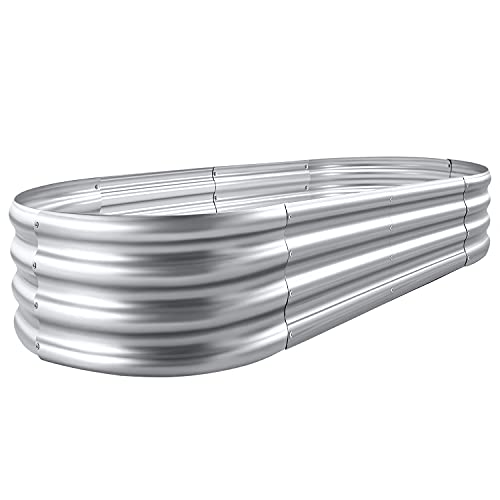
Each raised metal garden bed size: 4×2×1ft ,7.14Cu
4. Whimsical Fairy Garden
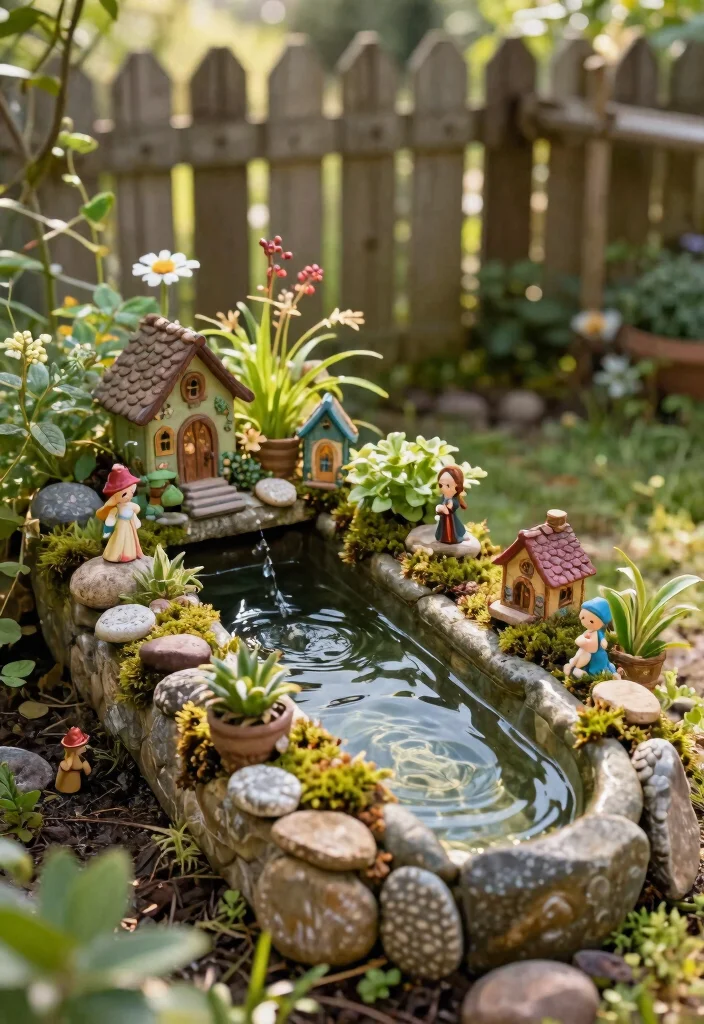
Create a whimsical fairy garden inside a water trough that sparks imagination and joy. This enchanting setup can be filled with tiny houses, figurines, and lush greenery, inviting both children and adults into a magical world. Incorporate moss, small rocks, and fairy accessories to craft a picturesque landscape.
For success, ensure good drainage by layering gravel in the bottom and using lightweight potting soil. Choose low-growing plants and herbs that require minimal water to maintain the perfect fairy garden environment.
Consider these fun elements:
– Incorporate plants like creeping thyme or miniature roses to enhance the theme.
– Add decorative touches like fairy figurines or tiny furniture.
– Monitor moisture levels regularly to keep your miniature plants hydrated.
This delightful fairy garden not only beautifies your space but also offers a fun and engaging hobby to nurture.

Raised Garden Bed: Elevated planter metal box with legs provides ample growing space for vegetables, herbs, flowers and plants.
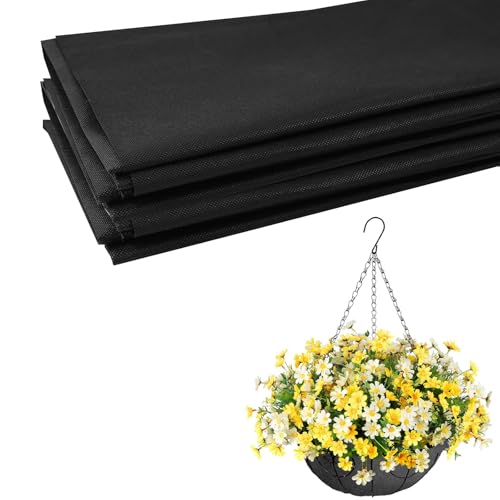
【Durable Material】 This planter liner crafted from super strong nonwoven fabric. It won't crack or tear—perfect as a durable greenhouse bed liner for cold season gardening. It's ideal for northern winter greenhouses or covered patios, withstanding heavy soil, frequent watering, and the moisture fluctuations of enclosed greenhouse environments. Reducing long-term replacement costs for vegetable growers. Great for supporting cold-hardy crops like spinach, lettuce, and radishes.
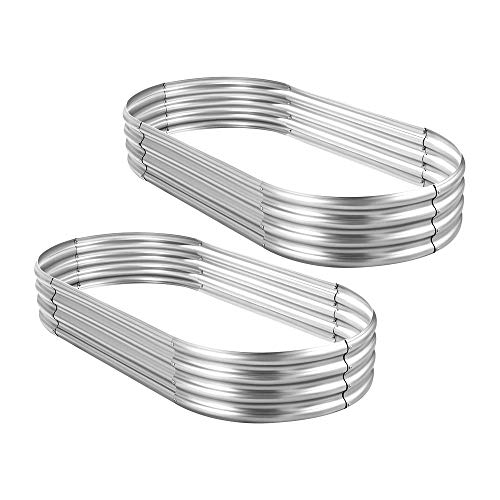
Each raised metal garden bed size: 4×2×1ft , 7Cu
5. Seasonal Display Planter
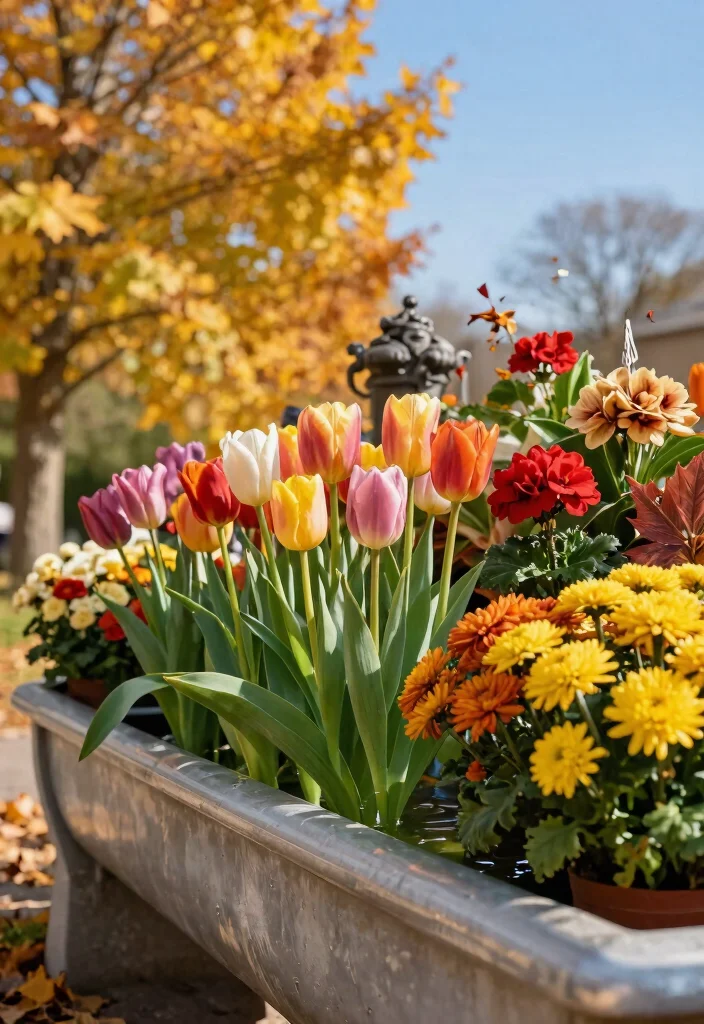
Keep your garden fresh and vibrant all year by creating a seasonal display in your water trough. Choose plants that thrive in different seasons, such as spring tulips, summer geraniums, autumn chrysanthemums, and winter pansies. By rotating plants with the seasons, your trough will always be a stunning focal point.
To maintain proper drainage, mix potting soil with granules to allow water to flow freely and prevent pooling. This method helps avoid root rot, keeping your plants healthy.
Helpful tips for seasonal planting:
– Plant bulbs in the fall for a spring surprise.
– Layer flowers for visual height and interest across seasons.
– Add seasonal decorations for extra charm.
Changing plants with the seasons ensures your outdoor space remains engaging and inviting for everyone to enjoy.
Fun fact: A water trough planter stays vibrant year-round—rotate four seasonal plants: spring tulips, summer geraniums, autumn chrysanthemums, and winter pansies. For proper drainage, mix potting soil with granules so water flows through and roots stay rot-free.
![Arcadia Garden Products PSW Pot Collection [17.5 inch] Plastic/Stone/Wood Composite Window Box Rectangular Planter – No Drainage Hole (Drillable), Indoor/Outdoor Pot for Flowers and Vegetables, Taupe](https://m.media-amazon.com/images/I/41Om-tc3InL._SL500_.jpg)
Made with Recycled Materials: A blend of recycled plastic, stone powder, and wood dust, PSW Pots are eye-catching and long-lasting for mindful gardening

STYLISH & VERSATILE DESIGN – From the Robert Allen Galvanized Collection, these metal planters are available in a variety of styles including round with rope, tub design, oval design, and simple round. Each design adds visual interest and coordinates easily with a range of home or garden decor.

[ Breathable Non-Woven Fabric ]:Tough breathable non-woven liner for raised garden beds, locks soil, boosts drainage, prevents erosion, and enables free root growth
6. Edible Flower Planter
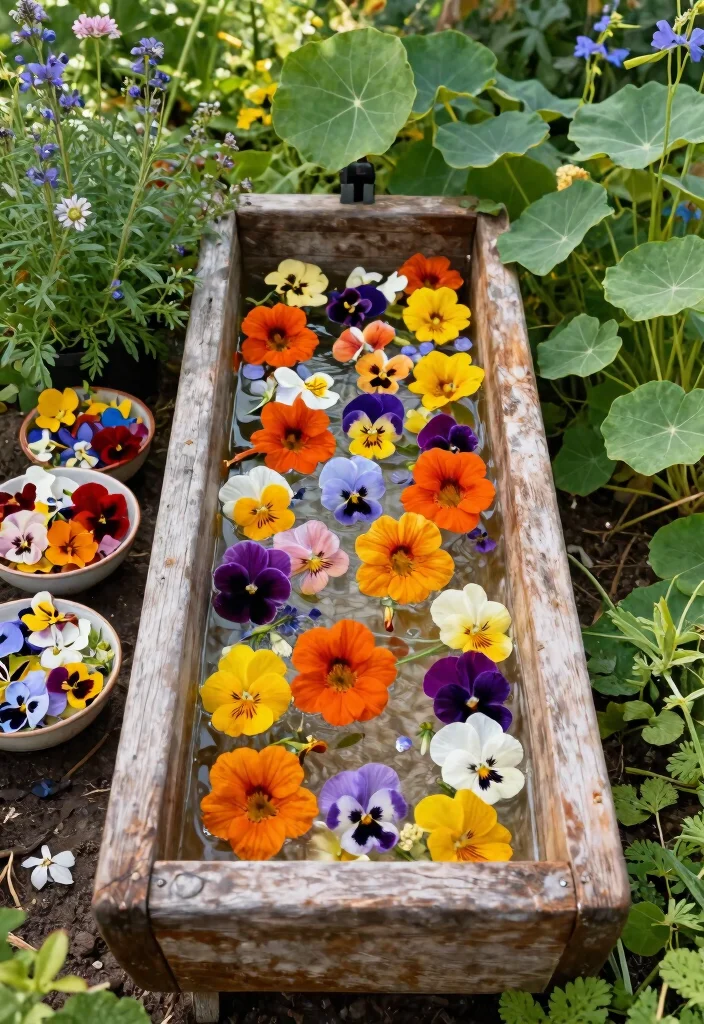
Combine beauty and utility by planting edible flowers in your water trough. Varieties like nasturtiums, pansies, and calendula not only enhance the visual appeal but also add flavor to your culinary creations. This creative planter idea beautifies your space while providing ingredients for salads and garnishes.
To maintain proper drainage, ensure the trough has drainage holes and consider adding sand or gravel. Regularly harvesting flowers encourages new growth while keeping your planter vibrant.
Ideas to explore:
– Research edible flowers that thrive in your climate.
– Water the plants consistently but avoid over-watering.
– Enjoy the beauty of the blooms while enhancing your meals with fresh ingredients.
This blend of gardening and culinary art will impress your guests and elevate your kitchen experience.

Material: wall planter is made of galvanized metal and antique finish, Size: Total height is 5.5 inches, 7" in Top Diameter, 5.5" in Bottom Diameter.

【Raised Garden Beds Outdoor】: GRASQUILINE’s galvanized raised garden bed features enhanced rust and corrosion resistance, ensuring years of durable use even in harsh outdoor environments and humid climates — so you never have to worry about premature wear.

4X2X1FT GROWING SPACE: This oval raised garden bed measures 4 x 2 x 1 ft, providing 7+ cu. ft. of organized growing space for vegetables, herbs, flowers, strawberries and selected root crops. Its compact footprint fits naturally into backyards, lawns and small outdoor gardens while keeping plants easy to reach and maintain.
7. Raised Vegetable Bed
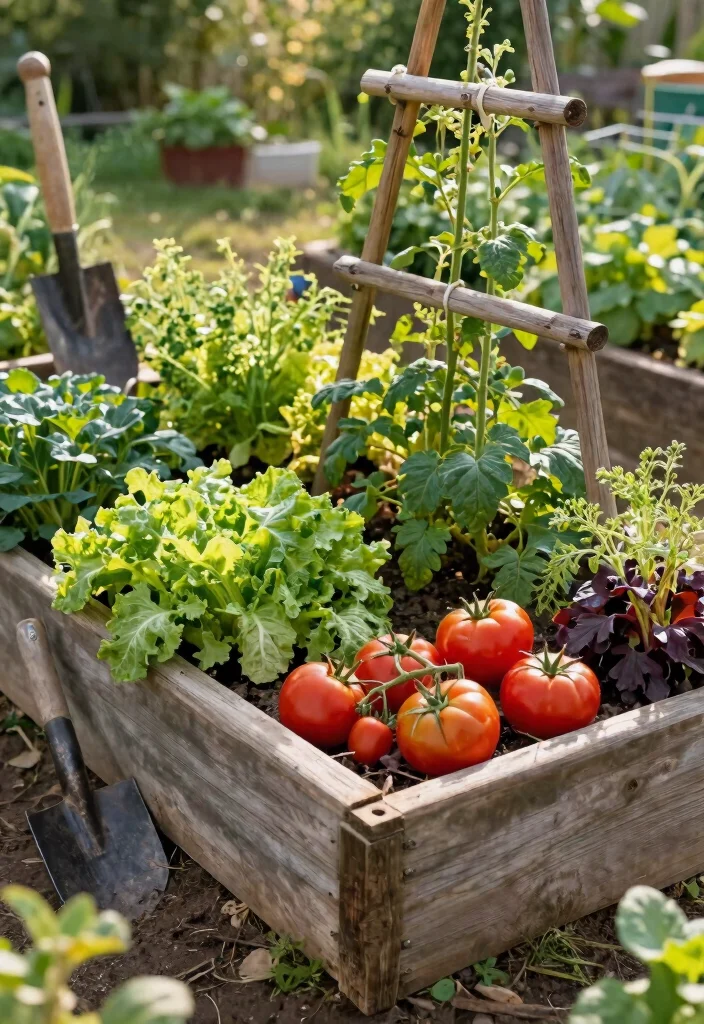
Transform your water trough into a raised vegetable bed, perfect for growing diverse vegetables in a compact area. From tomatoes to leafy greens, this design simplifies gardening without the strain of bending over. Setting the trough at waist height makes gardening much more enjoyable.
Ensure adequate drainage by drilling holes in the bottom and layering with gravel before adding soil. A high-quality vegetable mix will provide essential nutrients for robust growth.
Suggestions for maximizing your vegetable bed:
– Plan your planting using companion planting techniques.
– Regularly check moisture levels, as raised beds can dry out quickly.
– Incorporate trellises for climbing plants to optimize space.
Your vegetable-filled trough can yield fresh produce and enhance your cooking with minimal effort!

Indoor Herb Garden Planter with Tray - Add greenery to your home with this vintage metal windowsill planter. Herb planters for indoor plants with a farmhouse touch. Place the indoor herb planter on your kitchen counter or display the small herb planter as an apartment window planter.

Raised Garden Bed: This raised garden bed is constructed of thick wood boards and solid wood legs for years of sturdy use.

Smart Self-Watering System: Built-in water reservoir delivers continuous hydration via capillary action; a clear visual water level gauge displays remaining volume to avoid root rot and under-watering.
8. Rustic Pond Planter
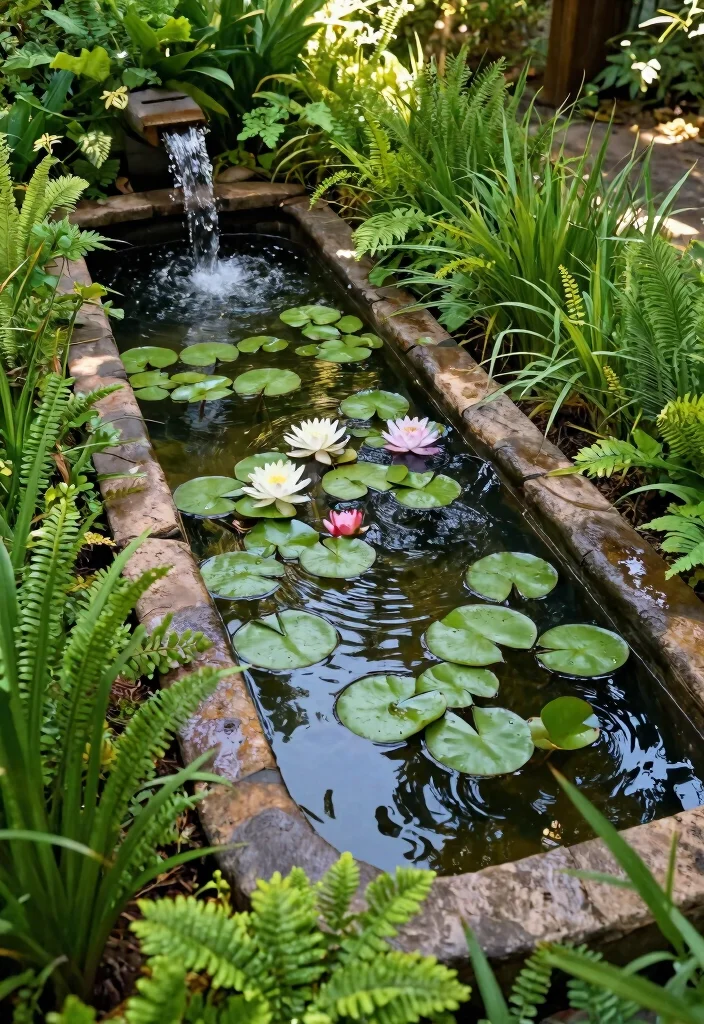
Why not partially sink your water trough into the ground to create a rustic pond planter? This innovative idea allows you to incorporate aquatic plants like water lilies and lotus, creating a peaceful oasis. Surround these aquatic plants with marginal varieties like sedges and ferns to enhance the visual appeal.
Ensure proper drainage, especially if the trough is partially buried, to avoid overflow during rain. Add a layer of gravel for stability and effective drainage.
Consider these tips for your pond planter:
– Choose plants that suit your climate and thrive in standing water.
– Integrate a small fountain or waterfall for added tranquility.
– Monitor water levels regularly, especially on hot days.
This unique planter creates a serene atmosphere and serves as a delightful habitat for local wildlife.

FLUTED DESIGN: The attractive elongated body of the planter boxes comes with an elegant fluted design on the sides. The long plant box is perfect for displaying herbs, flowers, succulents, and other ornamental plants

【24'' Growing Depth】Measuring 48"(L) x 24"(W) x 24"(H), the metal raised garden bed holds 144 gallons of soil and provides extra large growing space for vegetables, fruits, flowers and other plants.

9. Colorful Container Garden
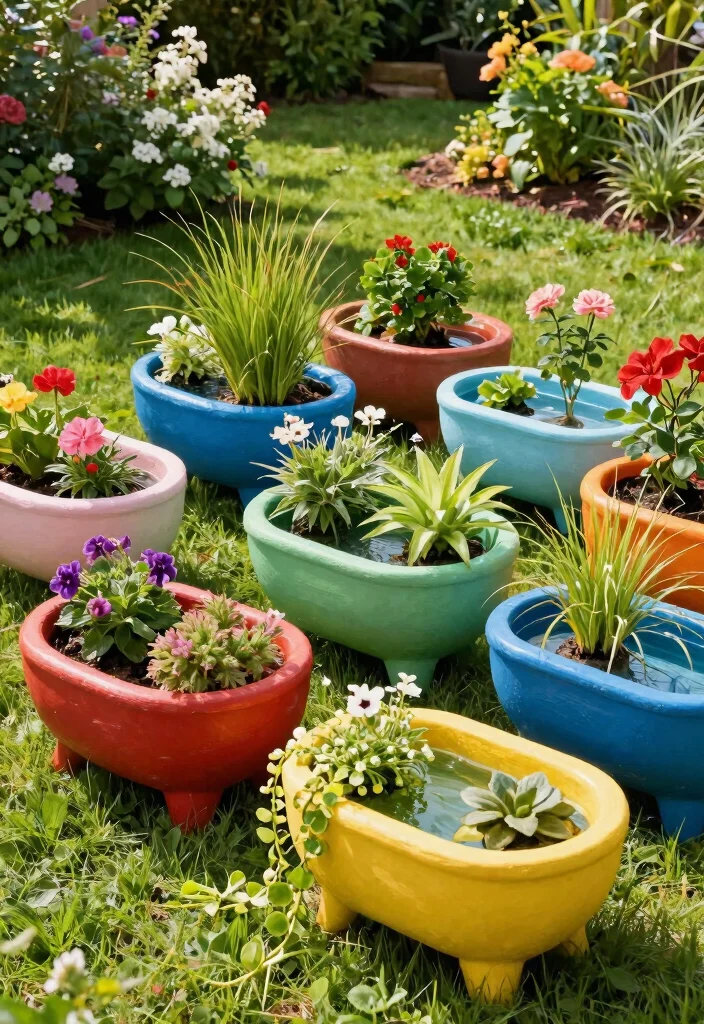
Using water troughs as colorful containers can create a stunning garden display. Brightly paint or stain your troughs to match your outdoor decor or personal style. Fill each container with a mix of flowering plants, ornamental grasses, and trailing vines to create layers of color and texture.
Ensure proper drainage by drilling holes and adding a layer of gravel. This prevents water retention and helps your plants thrive. Combine various colors and plants for a unique look that reflects your personality.
Creative ideas include:
– Use contrasting colors to make containers pop against greenery.
– Introduce plants with varied textures for added depth.
– Rotate plants seasonally for a continuously fresh display.
Your colorful container garden can become a vibrant centerpiece that brightens your outdoor space.

WINDOW BOX PLANTERS DIMENSIONS - Includes pack rectangular plastic planters. The size of plastic flower planters: L16.6 x W7 x H5.9 inches, large enough to support any projects and ideas. Great for herbs, flowers, foliage, grass, cactus, succulents, ferns, arborvitae and more.

DURABLE PLANT POTS - Crafted from high-quality, recyclable plastic, these outdoor planter boxes ensure longevity. Designed to withstand sun, rain, and snow without discoloration, they remain sturdy and lightweight. The smooth surface of these indoor window planters makes cleaning effortless.

Premium Durable & Functional Non-Woven Fabric: Crafted from heavy-duty, ultra-durable non-woven fabric, this landscape liner provides the perfect balance for your raised garden bed. It is porous enough to allow excess water to drain freely, preventing root rot, yet tough enough to effectively contain soil and prevent erosion. This breathable barrier also blocks weeds from growing up into your precious soil.
10. Artistic Nature Sculpture
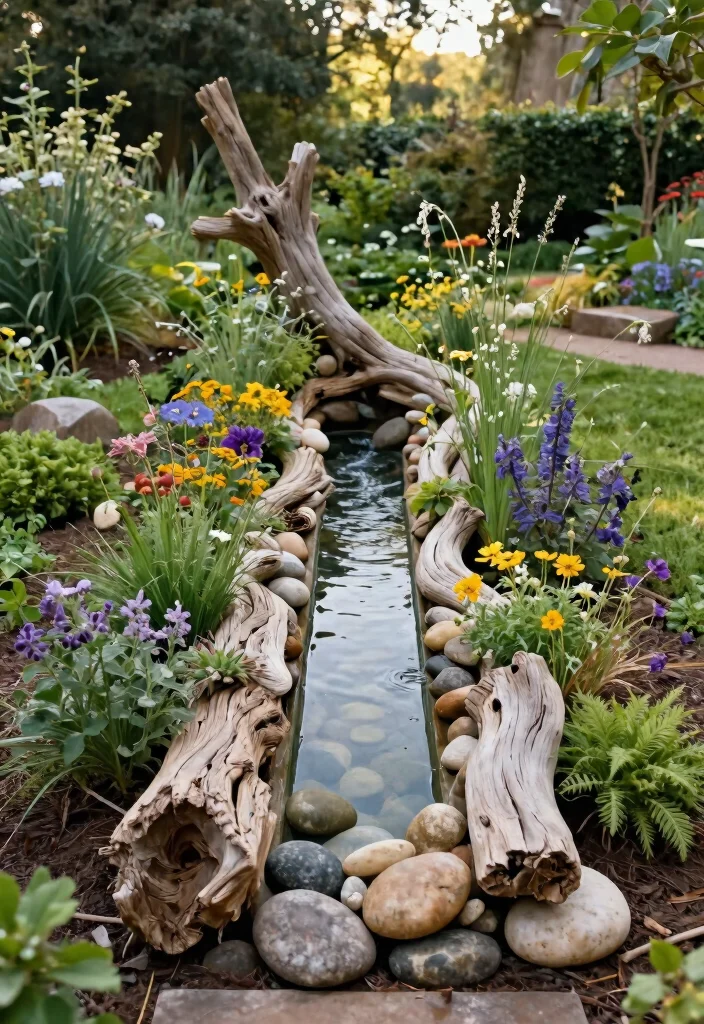
Transform your water trough into an artistic nature sculpture, creating a striking garden feature. This unique planter allows for creativity by integrating plants with sculptural elements like driftwood or stones. Arrange the plants to complement the materials, ensuring drainage solutions are included for plant health.
Add layers of soil and gravel to maintain proper drainage while planting. A mix of wildflowers, native grasses, and ornamental plants can create an organic feel that harmonizes with nature.
Ideas to enhance your artistic design:
– Experiment with different heights and textures for visual interest.
– Regularly shape and prune plants to maintain your artistic vision.
– Use local materials to enhance the natural aesthetic.
This artistic approach can turn a simple planter into a conversation starter, becoming a beloved feature in your garden.
Turn your water trough planter into a living sculpture and watch neighbors pause. Start with driftwood, stones, and a planting mix that drains well; layer soil and gravel for health, then add native grasses and wildflowers for a natural, low-maintenance oasis.
11. Rustic Bird Bath Planter
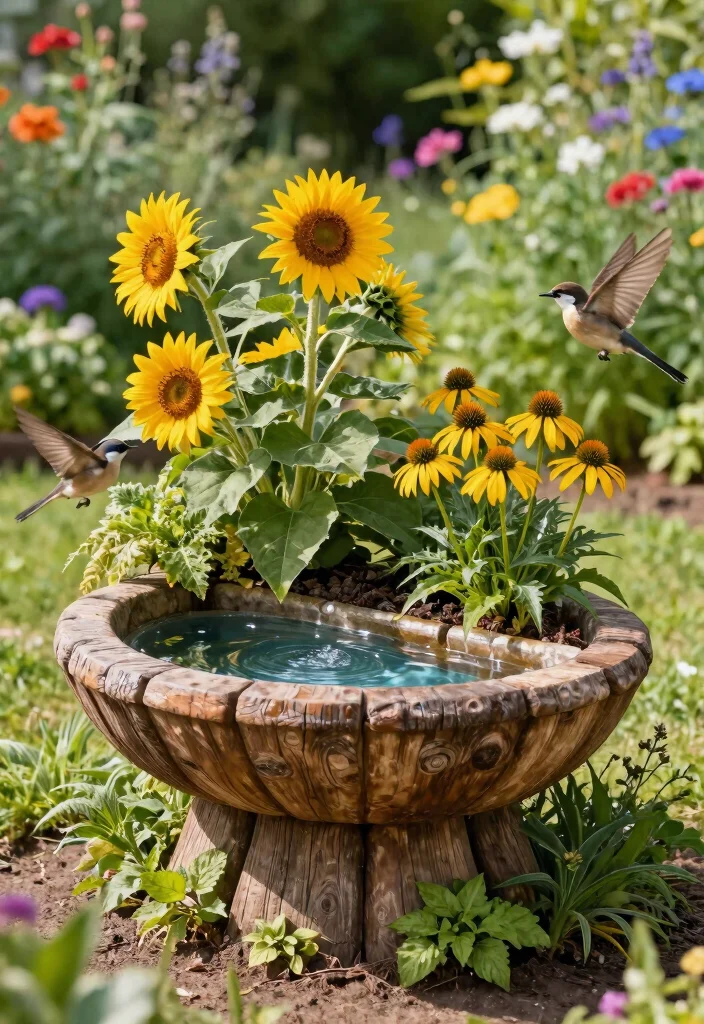
Combine beauty and functionality by creating a rustic bird bath planter in your water trough. This dual-purpose design attracts local birds while showcasing a stunning display of plants. Fill the trough with shallow water for birds and plant around the edges with bird-friendly varieties like sunflowers or echinacea, which provide seeds and nectar.
Ensure proper drainage by placing rocks at the bottom to prevent overly wet soil. Striking a balance is essential; choose easy-to-maintain plants, especially for keeping water levels fresh.
Helpful tips include:
– Change the water regularly to keep it fresh for birds.
– Select native plants to attract local wildlife.
– Create safe perches around the bath for birds.
This charming setup beautifies your garden while supporting local wildlife and creating a lively environment.
12. Simple Firewood Planter
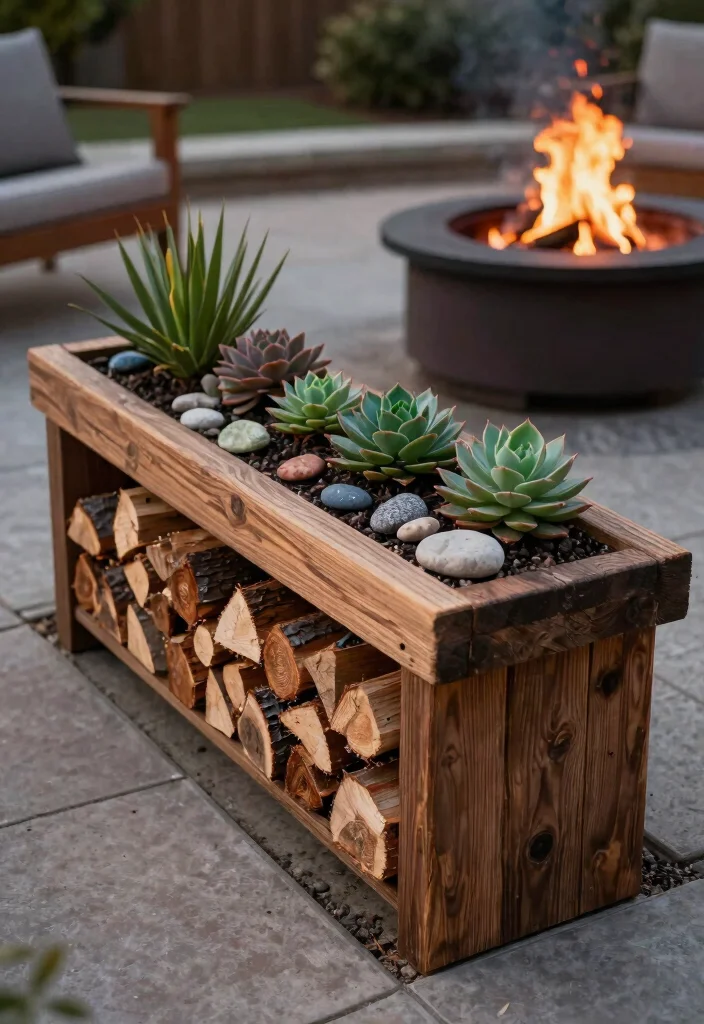
Why limit your water trough to just plants? Use it as a rustic firewood holder that doubles as a planter! Fill the trough with firewood for your outdoor fire pit, and add drought-tolerant plants like succulents for added beauty and functionality.
Ensure proper drainage by placing a thin layer of rocks at the bottom before adding soil and plants. This keeps them healthy while maintaining aesthetic appeal. This creative concept not only serves a practical purpose but also adds rustic charm to your outdoor area.
Ideas to consider:
– Mix decorative stones with firewood for a visually pleasing contrast.
– Choose drought-resistant plants that require minimal care.
– Vary heights in both firewood and plants for added interest.
This unique setup can become a fantastic conversation starter, blending utility and beauty in your outdoor space.
13. Vintage Garden Wildlife Habitat
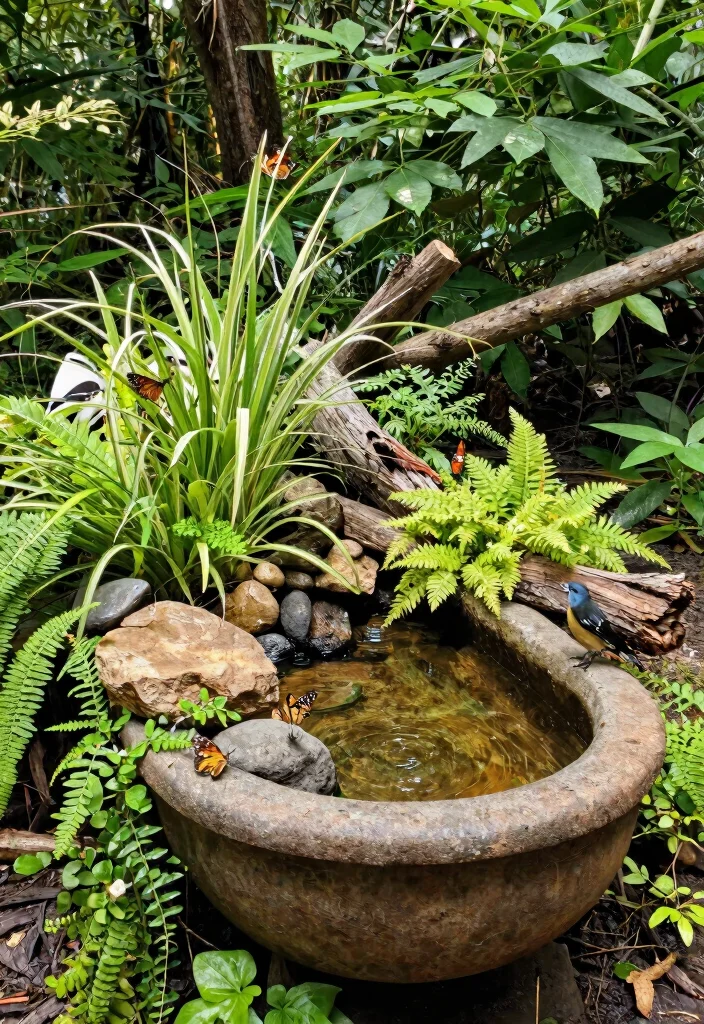
Turn your water trough into a sanctuary for beneficial insects, frogs, and small birds by creating a wildlife habitat. Fill the trough with native plants that support local wildlife, along with rocks and logs for shelter. This eco-friendly project enhances biodiversity in your garden.
As always, ensure proper drainage by using gravel or sand to create a healthy environment for plants and animals. Incorporating plants that bloom at different times provides continual food for visiting wildlife.
Suggestions to enhance your habitat:
– Add water features like stones to attract frogs.
– Choose native plants for better adaptability and support of local ecosystems.
– Regularly maintain the habitat to ensure a safe and thriving environment.
This approach creates a beautiful ecosystem that benefits both your garden and its visitors, fostering a deeper appreciation for nature.
14. Charming Fairy Tale Garden
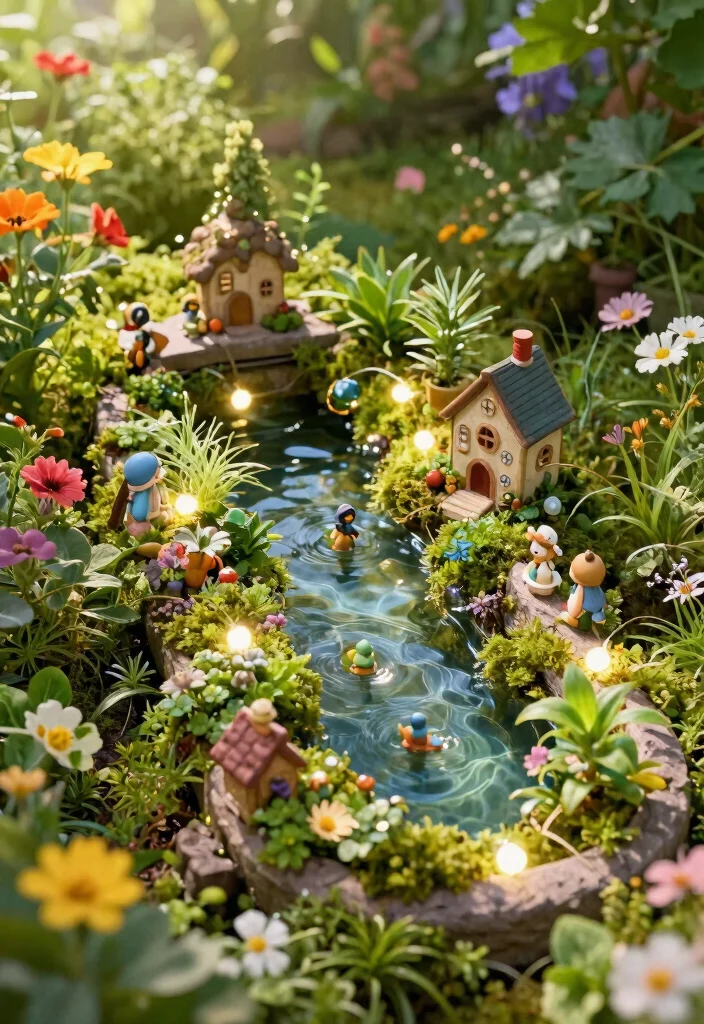
Design a charming fairy tale garden in a water trough, allowing for creativity and whimsy. Fill it with tiny plants, moss, and assorted miniature accessories like fairy houses and figurines. Each element can tell a story, making your garden feel magical and inviting.
For a successful fairy garden, ensure good drainage by layering gravel and using quality soil. It’s essential to regularly water without over-saturating the soil for delicate plants to thrive.
Ideas to incorporate:
– Create pathways with small stones or pebbles to guide visitors.
– Use miniature lights for a magical evening glow.
– Change elements seasonally to keep the garden fresh and exciting.
Creating a fairy tale garden can inspire joy and wonder, providing a perfect escape into a world of imagination.
15. Minimalist Zen Garden
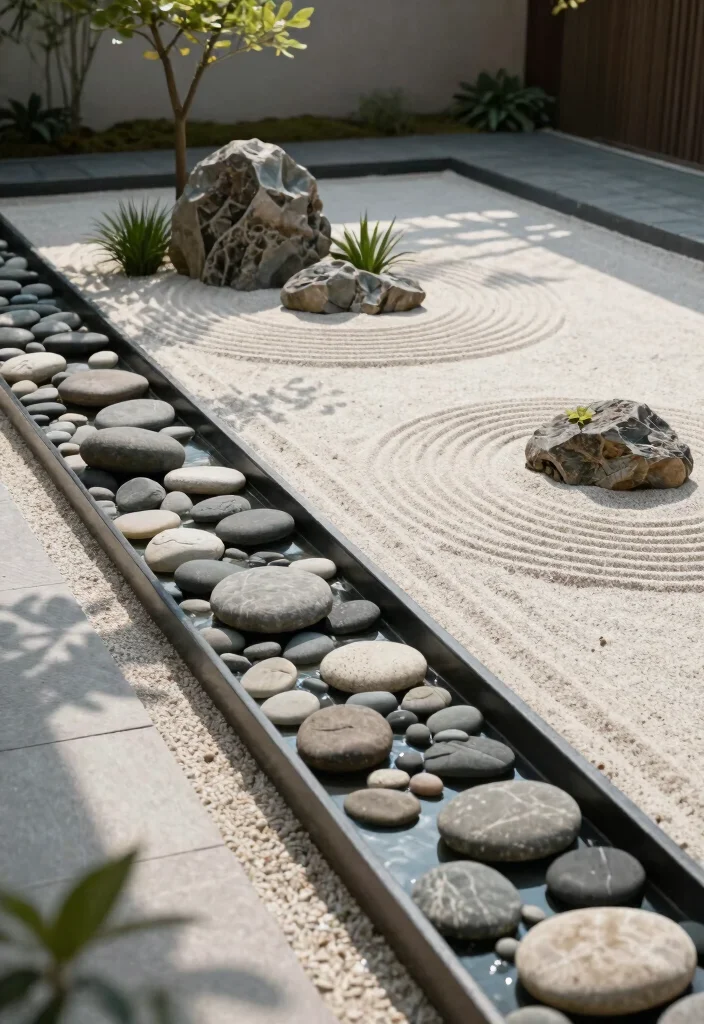
Transform a water trough into a tranquil minimalist Zen garden for a calming effect in your outdoor space. Fill it with smooth stones, sand, and a few carefully placed plants to create a serene atmosphere.
Ensure proper drainage by layering rocks and using materials that allow excess water to escape. Incorporating low-maintenance plants enhances the serene feel without demanding excessive attention.
Suggestions for your Zen garden:
– Use rakes to create patterns in the sand for an interactive element.
– Keep the design simple with a few well-placed plants to maintain clarity.
– Regularly maintain the garden to preserve its calming aesthetic.
This minimalist approach can create a peaceful escape in your outdoor area, promoting mindfulness and relaxation.
Fun fact: a simple water trough planter Zen setup can cut maintenance time by 40% when you layer rocks for drainage and stick to low-maintenance plants. Use rakes in the sand to create calming patterns, then breathe and enjoy the calm.
Conclusion
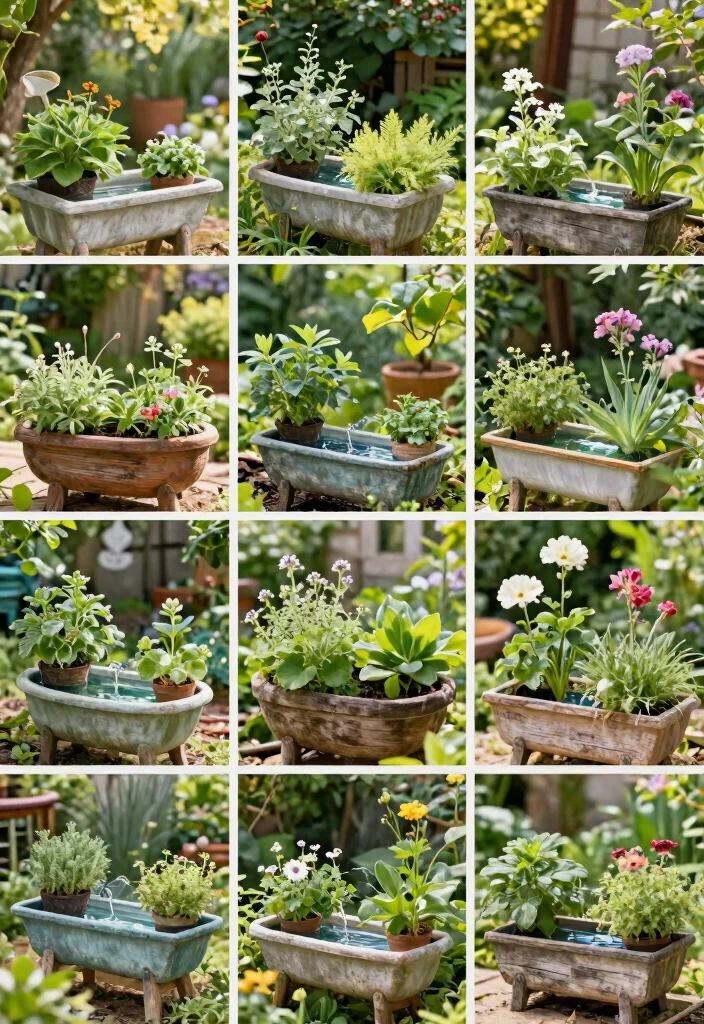
Repurposing vintage water troughs into planters adds both rustic charm and functional beauty to your garden. From creative edible flower beds to whimsical fairy gardens, these 15 concepts encourage you to think outside the box while providing practical drainage solutions. Each design not only enhances your personal style but also contributes positively to your outdoor environment.
Whether you have a small space or a sprawling garden, there’s a water trough planter idea that can make your gardening dreams come true.
Frequently Asked Questions
What makes a water trough planter a smart choice for small-space gardens?
Water trough planters are durable, versatile, and instantly add rustic charm to tight spaces. They provide a generous root zone and can be elevated on blocks or stands to save floor space, making balconies, porches, or narrow patios more productive. For reliable drainage, drill a few drainage holes near the bottom and add a shallow gravel layer with landscape fabric to keep soil from clogging the holes. As upcycled garden decor, they pair beautifully with other rustic elements and offer practical drainage solutions for planters in any outdoor gardening setup.
How can I ensure proper drainage in a water trough planter?
Start with clean, corrosion-free troughs and add several drainage holes toward the base. Create a drainage layer with coarse gravel or broken pottery, then lay landscape fabric to keep soil from clogging the holes. Fill with a quality potting mix suitable for your plants, and consider an overflow outlet or trailing drip line for heavy rain. Water sparingly until you see water exit the drainage holes, and use this method as part of smart drainage solutions for planters in your outdoor gardening tips routine.
What are some rustic and creative planter ideas for water troughs?
There are lots of creative planter ideas to try with a water trough. Create a compact herb garden on a sunny balcony, plant a cottage-style mix of perennials for year-round color, or design a pollinator-friendly trough with native wildflowers. You can also section a trough with shallow dividers for a mini cutting garden, or fill it with drought-tolerant succulents for a rustic outdoor decor statement. Each setup highlights creative planter ideas and keeps the look authentically rustic while staying functional for small-space gardening.
Are vintage water troughs safe to use for edible plants?
Safety first: older troughs can carry coatings or rust that aren’t ideal for direct contact with edible plants. Inspect for old paint, rust, or coatings, and consider sealing or relining the interior with a food-grade liner if you plan to grow herbs or vegetables. If the trough shows significant corrosion or uncertain coatings, reserve it for ornamentals or decorative displays. With proper prep, you can still enjoy fresh herbs from a lined trough, while keeping outdoor gardening tips practical and safe.
How can I maintain a rustic look while keeping drainage reliable across seasons?
Keep the patina intact by choosing light maintenance over heavy sealing, which helps with breathability and drainage. Regularly clean out debris from the trough, refresh the soil each spring, and top with mulch to retain moisture without suffocating roots. Check drainage holes seasonally and reopen any blocked outlets after rainstorms. In winter, shield the trough from harsh weather or move it to a sheltered spot. With these steps, your rustic garden planters stay charming and drainage remains dependable for years of outdoor gardening tips.
Related Topics
water trough planter
rustic garden planters
drainage solutions
upcycled garden decor
small space gardening
creative planter ideas
outdoor gardening tips
vintage style
DIY planters
easy gardening
sustainable design
seasonal planting