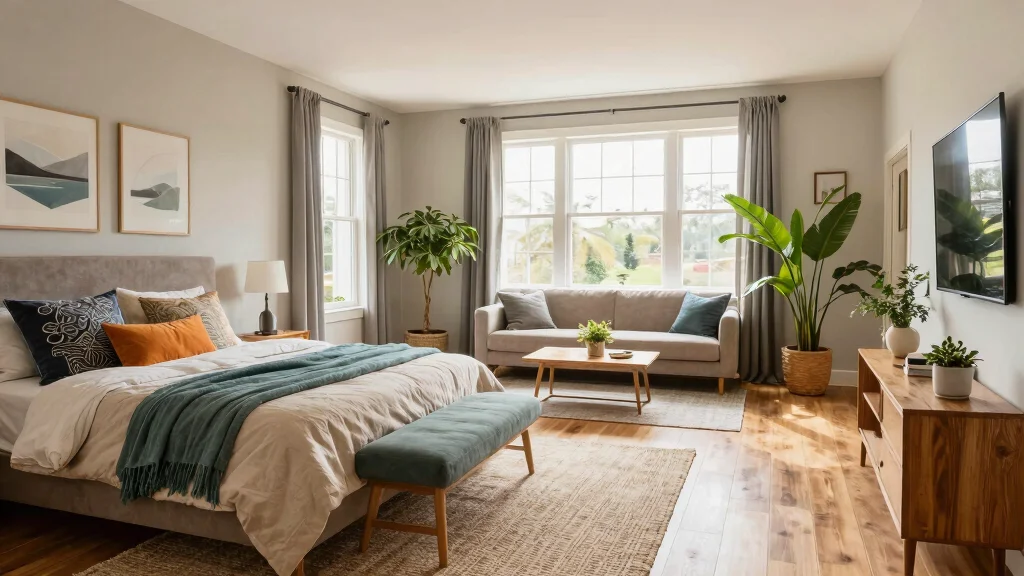
Creating a bedroom with a living room is more than just a design choice; it’s a lifestyle preference. With many of us living in smaller spaces, maximizing every square foot has become essential. If you’re craving a cozy, stylish environment that doesn’t feel cramped, you’re in the right place. This post is designed to spark your imagination and help you create a space that feels both functional and inviting.
If you love home decor or find yourself constantly searching for smart ways to optimize your small space, this one’s for you. Whether you’re a student in a studio apartment or a couple in a compact home, these ideas are tailored to meet your needs. I’ve gathered 17 unique concepts that are not only visually appealing but also practical for transforming your bedroom into a multifunctional haven.
What can you expect from this guide? You’ll discover creative layouts that evoke comfort and style. Each idea focuses on smart use of multifunctional furniture, clever storage solutions, and cozy bedding options. You’ll walk away with actionable tips to make your bedroom-living room layout work for you, creating an atmosphere that’s both relaxing and efficient.
Key Takeaways
– Layered Textures: Use different materials and textures to add visual depth. This simple change can make your space feel cozier and more inviting.
– Multifunctional Furniture: Invest in pieces that serve multiple purposes. A sofa bed or storage ottoman can maximize your space without sacrificing style.
– Open Shelving: Consider open shelving for both display and storage. It keeps your items organized while adding an aesthetic touch to your room.
– Rug Zones: Create separate areas with rugs to define spaces. This helps in visually separating your bedroom from the living area, enhancing functionality.
– Lighting and Plants: Let natural light in and use mirrors to brighten your space. Adding indoor plants can also create a fresh, lively atmosphere that uplifts your mood.



1. Layered Textures for Visual Depth
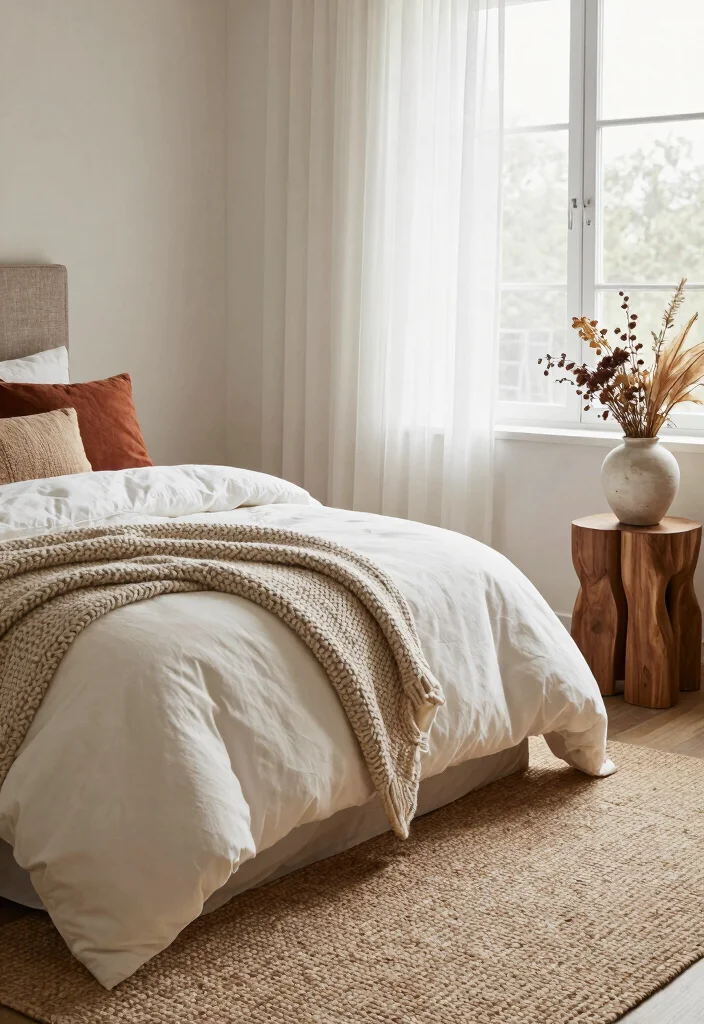
Layering textures is a brilliant way to bring visual depth to your bedroom and living room design. Combining materials like soft velvet cushions, chunky knit throws, and woven baskets creates a warm, inviting atmosphere that feels cozy and lived-in. For example, draping a chunky knit throw over a smooth bedspread adds both style and comfort, making the space more inviting. To enhance warmth, consider textured rugs, such as a jute rug placed under a plush carpet. Decorative accents like ceramic vases or wooden pieces can further complement the layered textures, contributing to a rich, cohesive look. – Use a mix of materials like cotton, wool, and linen for bedding and cushions.
– Choose area rugs that provide a contrast in texture.
– Incorporate wall art with varied textures to create focal points.
– Experiment with layered curtains to soften the light entering the room.
This thoughtful layering not only enhances comfort but also visually expands the area, making it feel more dynamic and open.
Fun fact: layering three textures—velvet cushions, chunky knit throws, and woven baskets—can boost perceived coziness in a bedroom with living room by up to 30%. Start with a textured rug underfoot, then add tactile accents for instant warmth.


2. Smart Use of Multifunctional Furniture
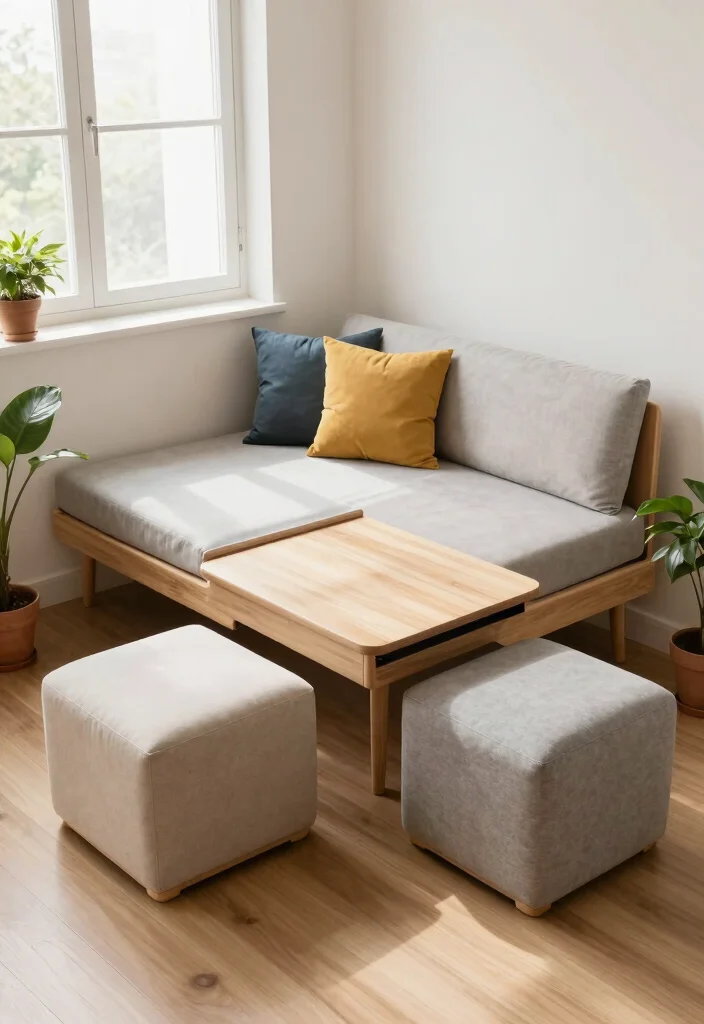
In small spaces, multifunctional furniture is key to maximizing every inch of your bedroom and living room. Look for pieces that serve dual purposes, such as a sofa bed or an ottoman that provides storage, allowing you to create a functional yet stylish environment. For instance, a fold-out sofa can function as a cozy seating area during the day and transform into a bed at night. Consider furniture that can be easily rearranged, like a compact coffee table that extends for gatherings. This adaptability can significantly enhance the versatility of your space. – Consider a Murphy bed that can be hidden away when not in use.
– Use nesting tables that can be stacked for additional surface space.
– Look for benches that open for storage.
– Choose lightweight furniture that can be easily moved around.
By integrating multifunctional furniture, you not only boost functionality but also keep your space organized and clutter-free.


3. Open Shelving for Display and Storage
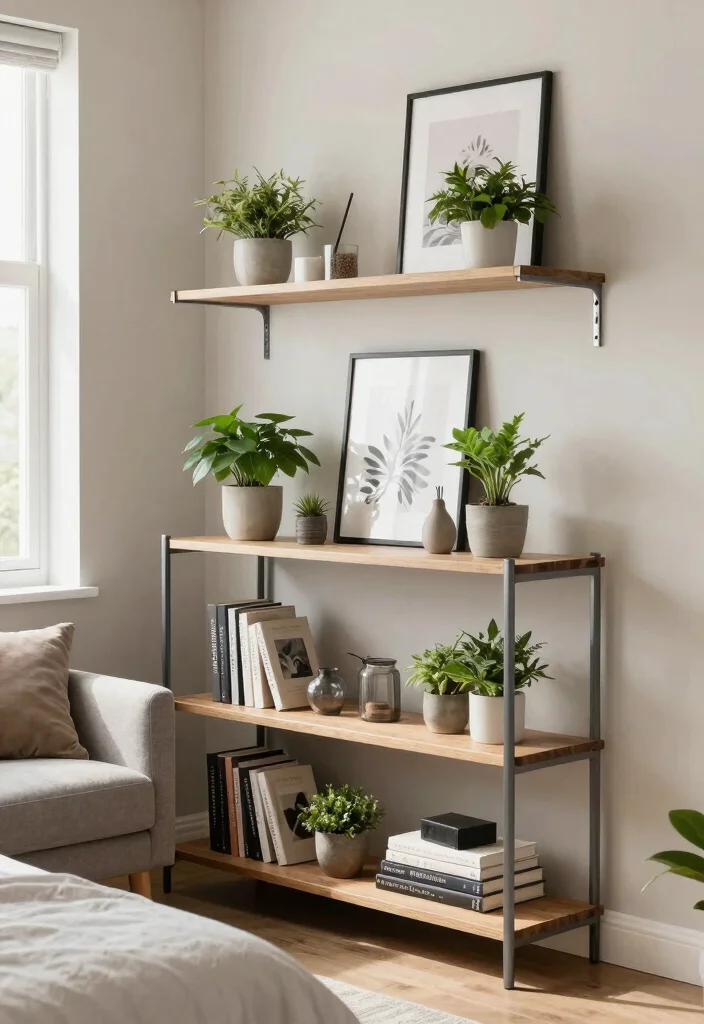
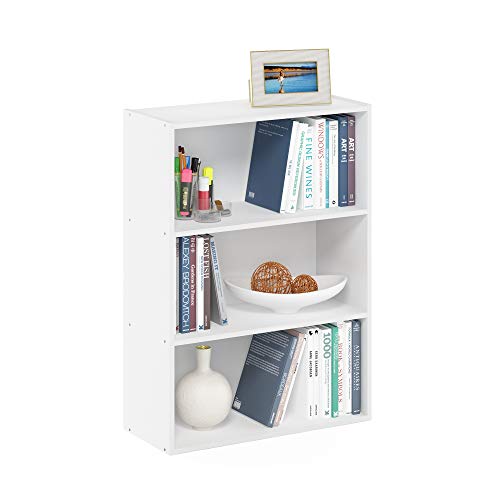
Open shelving is a fantastic way to blend storage and decor in your bedroom and living room. It allows you to showcase your favorite books, plants, and decorative items in an organized manner, adding a personal touch to the space. Installing shelves above your bed or sofa creates additional storage while maintaining an open feel, keeping essential items easily accessible. Consider using these shelves for personal touches, such as framed photos or stylish containers for smaller items. Open shelving adds visual interest and makes the room feel airy and spacious. – Use decorative bins to keep clutter at bay while still being visually appealing.
– Arrange items by color or size for a cohesive look.
– Incorporate greenery with potted plants on the shelves for freshness.
– Mix and match materials like wood and metal for a modern look.
This design choice enhances the open concept, allowing the eye to travel vertically and making the room feel taller and more expansive.


4. Creating Separate Zones with Rugs
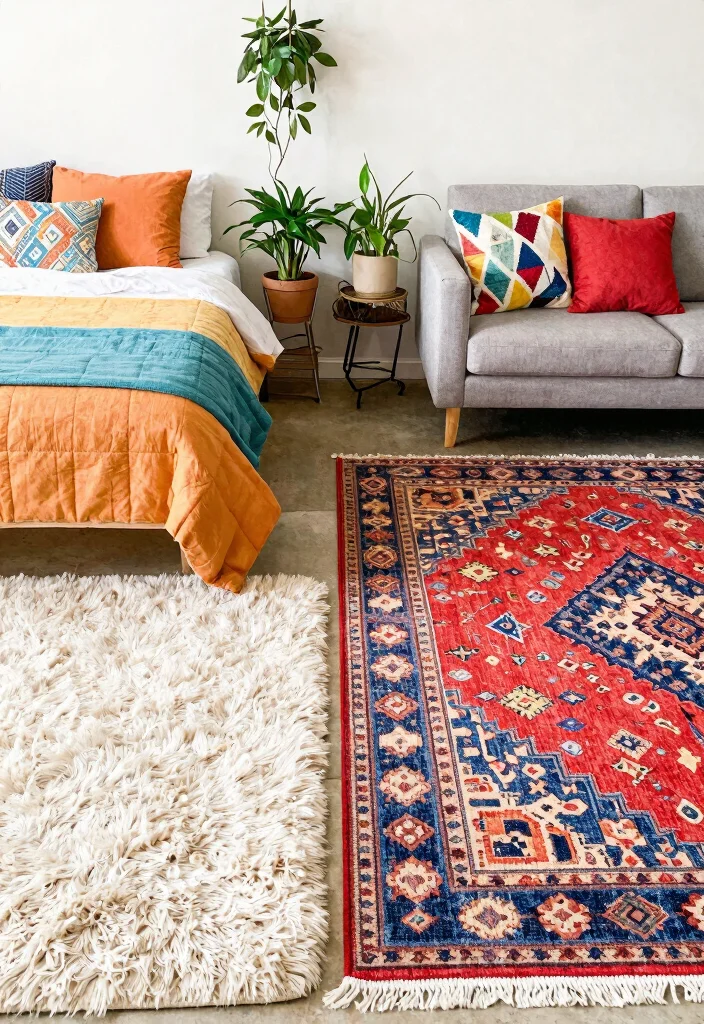
Rugs serve an essential role in defining spaces within a bedroom and living room, providing visual cues for each area. By selecting different rugs for each zone, you can create distinct areas while still maintaining a harmonious look. For example, a plush area rug under your bed can create a cozy retreat, while a vibrant patterned rug in the living area adds energy. Be mindful of colors and patterns to ensure they complement one another, promoting a cohesive atmosphere throughout the space. Use larger rugs to anchor your furniture, making both the sofa and bed feel integrated into their respective zones. – Play with contrasting colors to create interest while maintaining balance.
– Layer rugs for added texture and depth.
– Choose area rugs that are easy to clean, especially for high-traffic areas.
– Ensure furniture partially rests on the rug to enhance the feeling of space.
This technique not only organizes your living space but also adds character and warmth, making it feel complete.


5. Natural Light and Mirrors to Brighten the Space
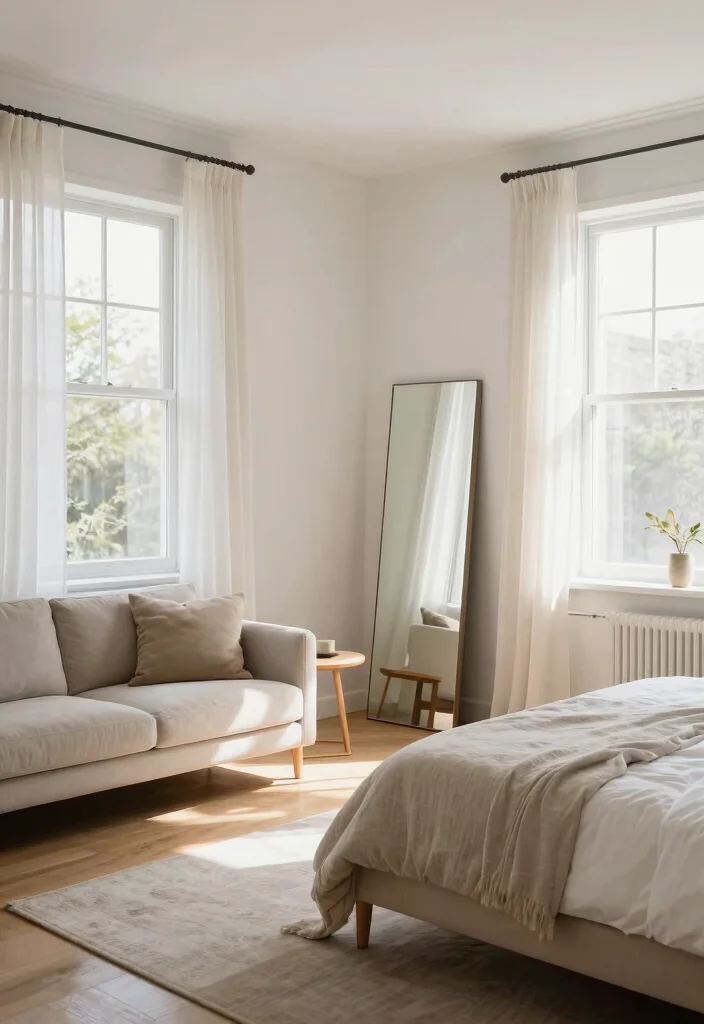
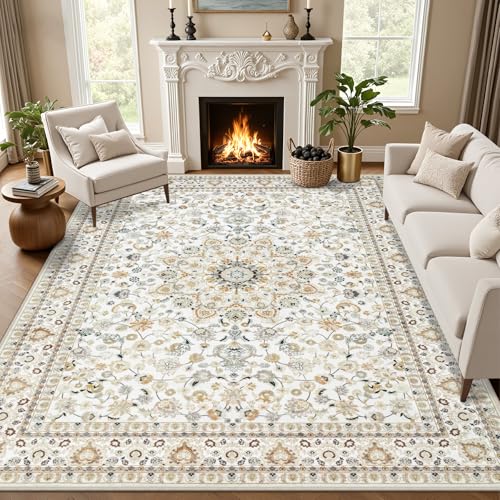
Natural light is vital in small spaces, creating an illusion of openness and making rooms feel larger. Position your furniture to maximize window exposure, allowing light to flow freely. If natural light is limited, mirrors can enhance brightness and depth, with a large mirror serving as a striking focal point. Place a mirror opposite a window or light source to amplify brightness further. Additionally, using lighter color palettes for walls and textiles can enhance the sense of openness in the room. – Use sheer curtains that allow light while maintaining privacy.
– Opt for glass or mirrored furniture to enhance light reflection.
– Incorporate light-colored decor to keep the atmosphere airy.
– Experiment with different placements of mirrors to find the best angles for reflection.
These small adjustments can transform your space, making it feel more welcoming and spacious.
6. Color Palette Harmony for Cohesion
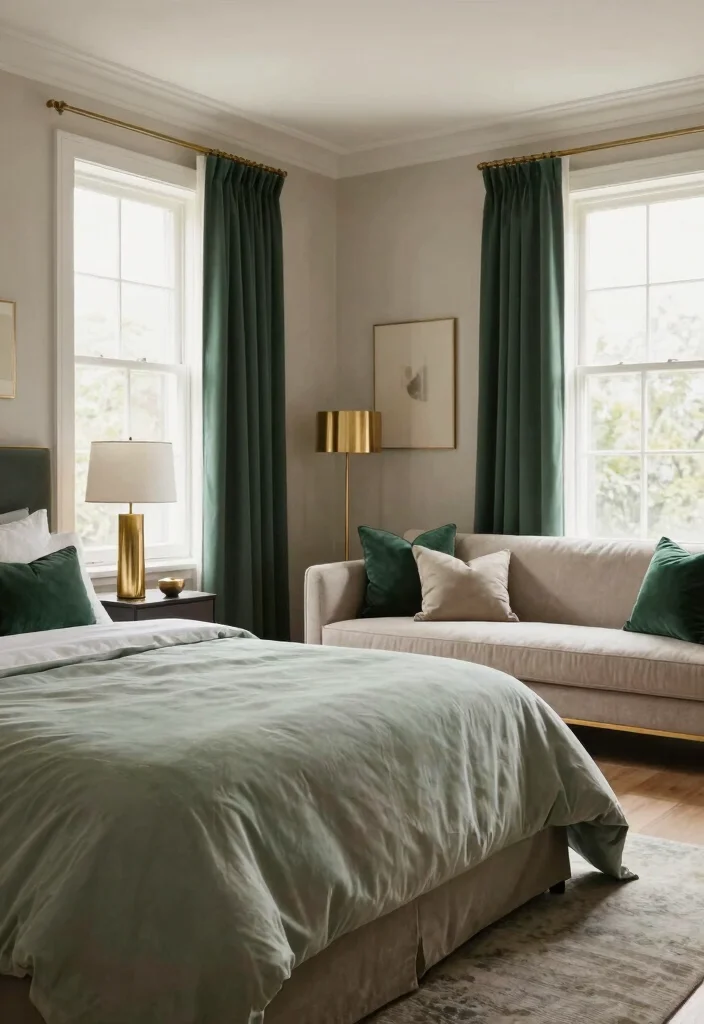
A cohesive color palette can unify your bedroom and living room area, enhancing the overall aesthetic. Stick to a few complementary colors that reflect your personal style, creating a calming atmosphere. Soft neutrals paired with accent colors often work wonders in small spaces, tying everything together beautifully. Consider painting walls in a light hue while using bolder colors in decor elements like cushions and throws. This creates a seamless flow between spaces without overwhelming them. Pay attention to the finishes as well; contrasting matte and glossy can offer exciting visual interest. – Use color swatches to test how they look together in the space.
– Embrace bold accent walls if they complement the room’s vibe.
– Consider seasonal decor changes to keep the space feeling fresh.
– Balance warm and cool tones to create depth.
This approach ensures that your small space feels intentional, well-thought-out, and visually appealing.


7. Wall Art for Personal Touch
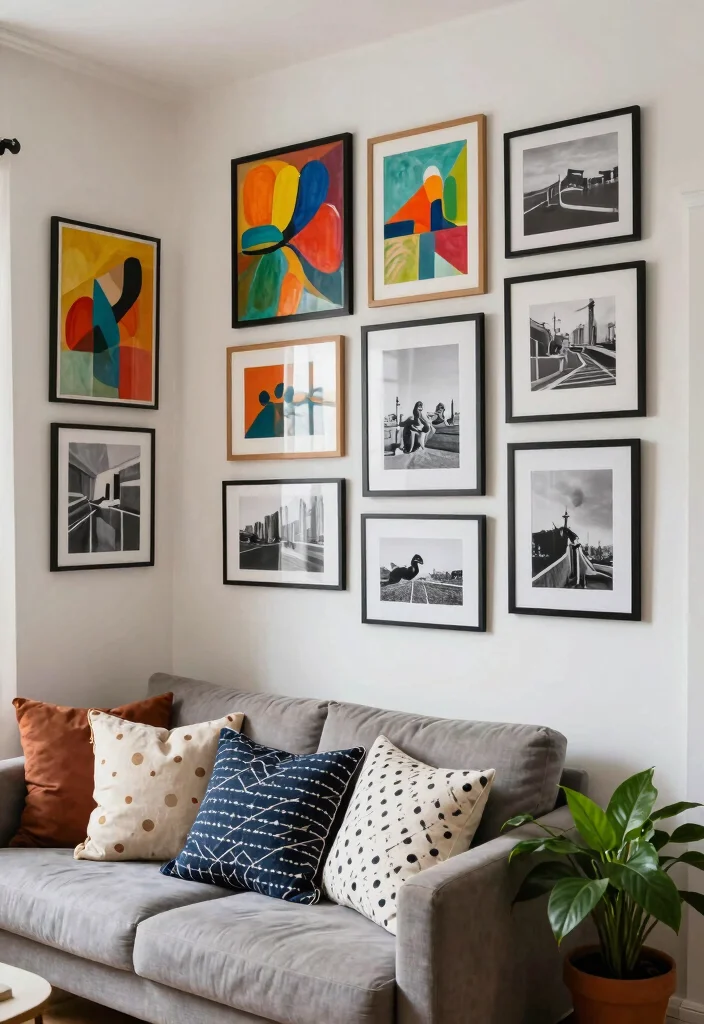
Wall art is a wonderful way to express your personality and enliven your bedroom-living room combination. Whether it’s framed prints, paintings, or personal creations, integrating art into your decor can create focal points that tie the space together. Consider a gallery wall above the bed or sofa, mixing frames and sizes for an eclectic yet cohesive feel. Choose art that resonates with you, perhaps pieces that evoke memories or tell a story. This not only beautifies your space but also makes it uniquely yours. Opt for art with colors that complement your overall color scheme for added cohesion. – Use varying frame styles for an interesting display.
– Consider 3D wall art for added texture.
– Place art at eye level for maximum impact.
– Use lighting to highlight specific pieces, adding dimensionality to your decor.
Incorporating personal touches through art transforms your house into a home, creating an inviting atmosphere.




How To Choose Multifunctional Furniture for Your Bedroom with Living Room
When designing a bedroom with a living room layout, selecting the right multifunctional furniture is key to maximizing both space and comfort. Here are some criteria to help you make the best choices:
1. Size Matters
Choose furniture that fits within your available space. Measure your room carefully and pick items that won’t overwhelm the area. For example, a compact sofa or a daybed works well in a smaller room. When you know your dimensions, you can avoid clutter and create a comfortable flow.
2. Material Durability
Consider the materials used in the furniture. In a combined living and bedroom space, pieces should withstand daily use. Look for sturdy materials like hardwood or high-quality upholstery. These will last longer and maintain their appearance even with heavy usage. If you have pets or children, consider fabrics that are stain-resistant.
3. Functionality
Evaluate how each piece serves multiple purposes. A sofa bed, for instance, can double as a seating area during the day and a bed at night. A coffee table with storage can hold books or blankets, keeping your space organized. Think about how you’ll use each piece and ensure it enhances your living experience.
4. Style and Aesthetics
Choose furniture that aligns with your personal style while also maintaining a cohesive look. An open concept space benefits from a unified theme, whether modern, rustic, or minimalist. Select colors and designs that create harmony between the bedroom and living room areas. This will help the space feel larger and more inviting.
5. Budget Considerations
Set a budget before you start shopping for furniture. Multifunctional pieces can range significantly in price, so outline how much you can spend on each item. Look for quality pieces that won’t break the bank. It’s possible to find stylish and practical options at various price points, including second-hand stores or online marketplaces.
6. Ease of Assembly and Mobility
Consider how easy it is to assemble and move the furniture. If you anticipate rearranging your space or moving, select lightweight pieces that can be easily shifted. Modular furniture can be especially beneficial, providing flexibility for different layouts as your needs change.
Pro Tip: Always prioritize comfort as well as functionality. A stylish piece may look great but can be uncomfortable to use. Test out sofas, chairs, and beds whenever possible to ensure they meet your comfort needs.
By considering these factors, you can effectively choose multifunctional furniture that will not only fit your bedroom with living room setup but also enhance your living experience. Remember that the goal is to create a cozy, inviting, and practical space that meets your lifestyle needs.
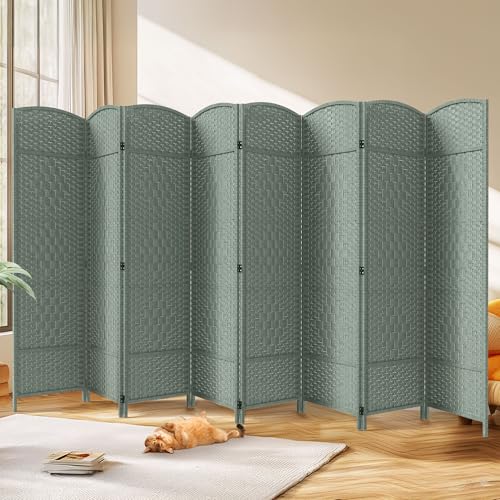
8. Elegant Room Dividers for Privacy
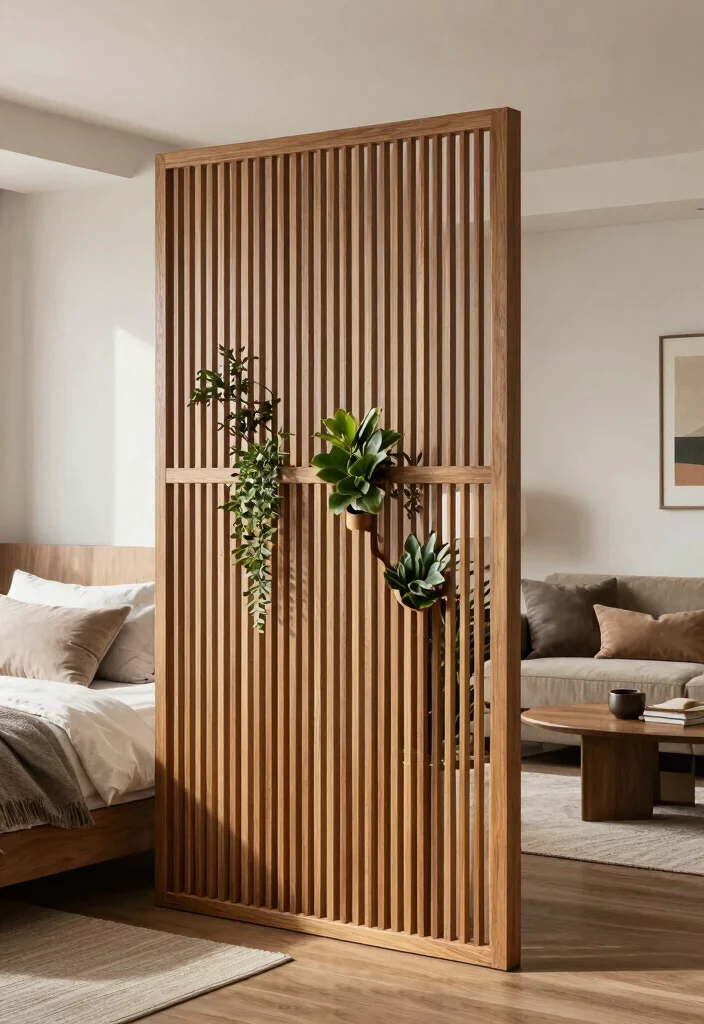
Room dividers offer both style and privacy in a bedroom with a living room setup. They can create distinct spaces without sacrificing an open feel. Choose elegant dividers like folding screens or sliding panels that enhance your decor rather than detract from it. For a more permanent solution, consider built-in shelving units that serve as practical and stylish separators. Plants also make excellent natural dividers, bringing life into the space. Position tall plants or a vertical garden between areas to define zones without closing off the room. – Use lightweight, movable dividers for flexibility in your layout.
– Consider transparent dividers to maintain an open feel.
– Incorporate shelves with decorative items to enhance style.
– Use colors and patterns that match your design for cohesiveness.
This ensures a sense of privacy while keeping the airy, connected feel of your space.



9. Incorporating Technology Smartly
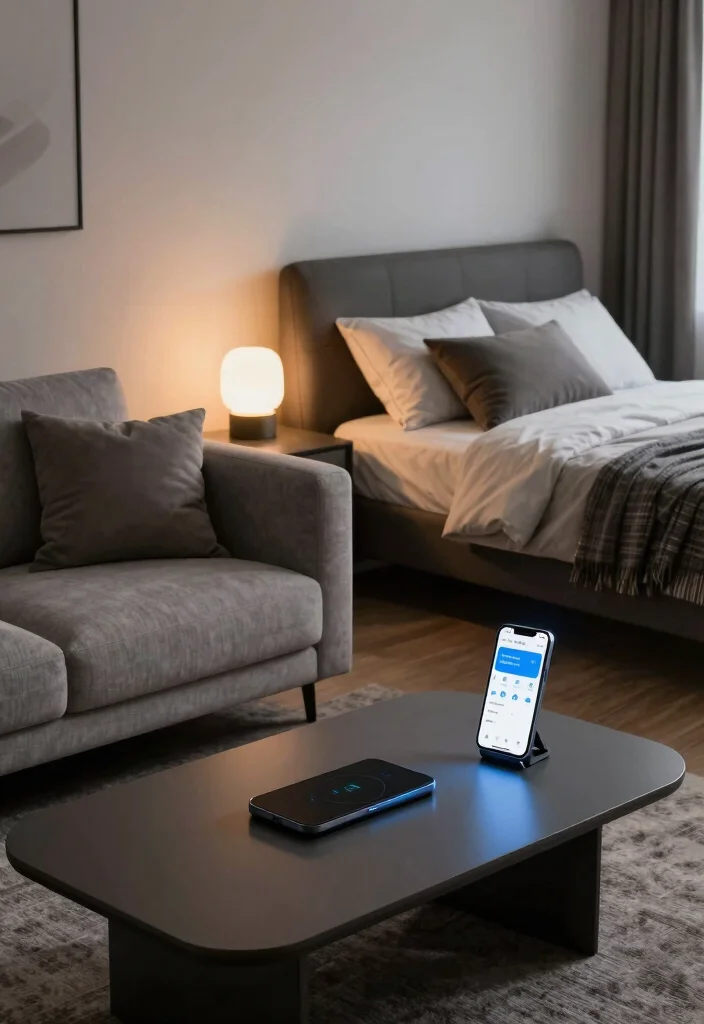
Integrating technology can significantly enhance the functionality of your bedroom and living room, especially in small spaces. Wireless speakers, smart lighting, and multi-purpose charging stations streamline your daily life while blending seamlessly with your decor. Choose technology that is both functional and stylish, like a chic wireless speaker that doubles as a decorative piece. Smart lighting can shift the mood of your space, allowing you to transition easily from a cozy evening to a bright daytime setting. – Opt for smart bulbs that can be adjusted via an app or voice assistant.
– Integrate tech elements into furniture, like a coffee table with wireless charging.
– Choose minimalistic designs that complement your decor.
– Hide cords and wires for a clean, organized look.
By incorporating technology smartly, you can simplify your daily routine while maintaining the aesthetics of your home.
Fun fact: In a compact bedroom with living room setups, smart lighting can cut energy use by up to 30% and highlight your decor at the same time. A wireless speaker doubles as a statement piece, keeping your bedroom with living room vibe simple and stylish.
10. Cozy Bedding that Complements Decor
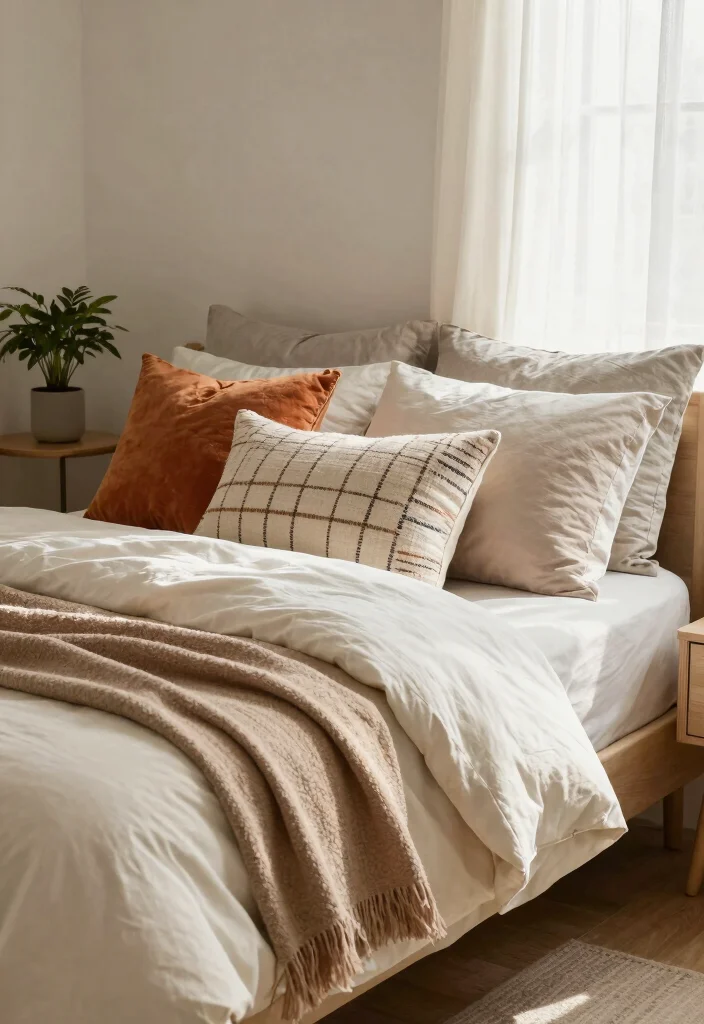
Investing in cozy bedding is crucial for creating a warm atmosphere in a bedroom with a living room layout. Opt for high-quality materials like cotton or linen to ensure both comfort and style. Your bedding should harmonize with your room’s color scheme—consider patterns and textures that tie in with the overall decor. A beautifully dressed bed can serve as a stunning focal point in your space. Layering different textures can evoke a cozy vibe, making your bedroom feel inviting. Don’t forget decorative pillows and throws to enhance both comfort and style. – Choose a comforter that fits your aesthetic while providing warmth.
– Incorporate a mix of sizes in decorative pillows for visual interest.
– Layer blankets to add depth and comfort.
– Ensure bedding is easy to clean for practicality.
With thoughtful bedding choices, your bedroom becomes a sanctuary where relaxation reigns supreme.
11. Innovative Lighting Solutions
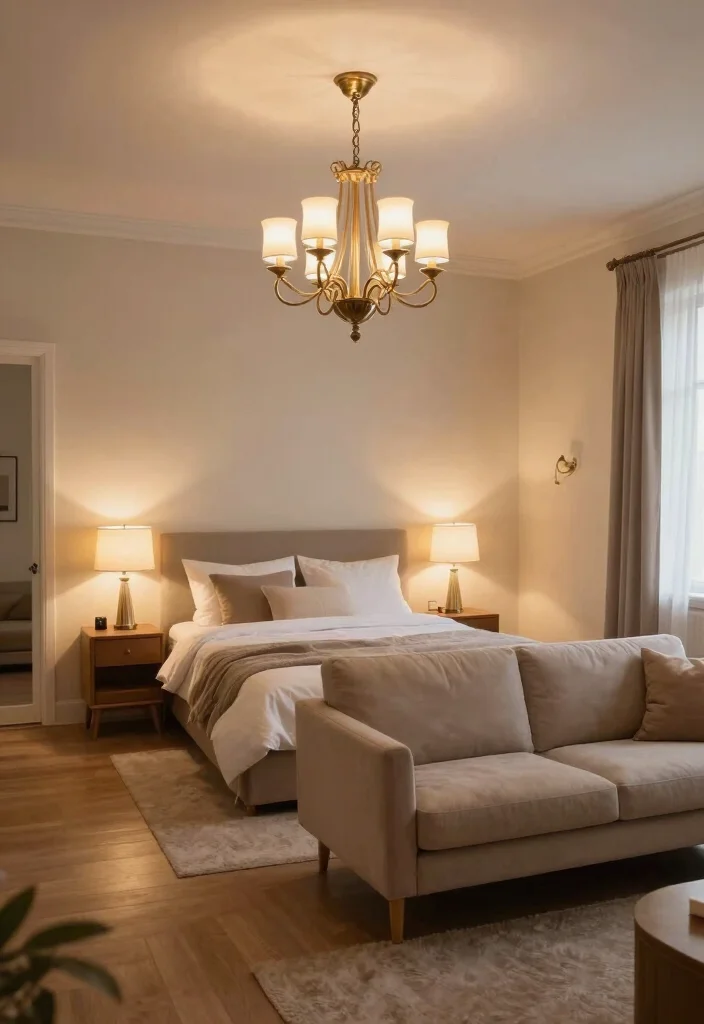
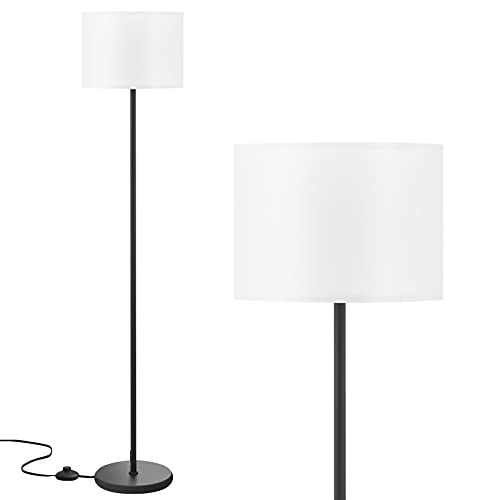
Lighting plays a vital role in small space bedroom and living room designs. The right lighting can transform the mood of your area, making it feel more spacious and inviting. Consider a mix of ambient, task, and accent lighting for a well-lit, functional environment. A statement chandelier can serve as a stunning focal point while providing ample illumination. Incorporate table lamps and floor lamps to create cozy nooks for reading or relaxation. Wall sconces are also an excellent choice, freeing up valuable surface space while adding style. – Use dimmable lights to adjust the atmosphere based on the time of day.
– Incorporate fairy lights or LED strips for a whimsical touch.
– Layer lighting sources to add depth and warmth to your room.
– Choose fixtures that echo your room’s overall aesthetic for cohesion.
Thoughtfully placed lighting can elevate your open-concept space, adding both function and flair.



12. Incorporating Indoor Plants
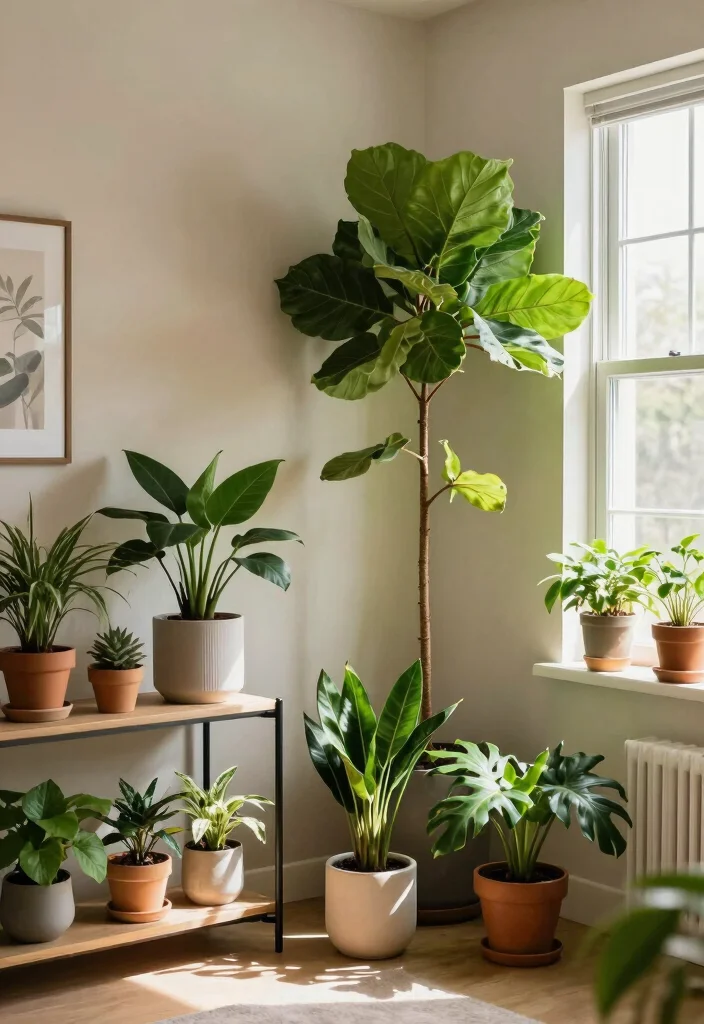
Bringing the outdoors in with indoor plants adds a refreshing element to your bedroom and living room. Plants improve air quality and contribute to a sense of calm and well-being. Choose low-maintenance varieties like succulents, pothos, or snake plants that thrive indoors. Position larger floor plants in corners to fill empty spaces, or hang smaller plants in macrame holders for a bohemian touch. Plants not only add color and texture but also create visual interest within an open layout. A dedicated plant corner can act as a natural divider between the living area and sleeping space. – Consider using plant stands to add height variation.
– Mix different plant sizes and types for visual diversity.
– Use decorative pots that match your overall decor style.
– Choose plants based on the light conditions of your space.
With indoor plants, your room becomes a serene retreat that feels alive and vibrant.
13. Personalizing with Textiles
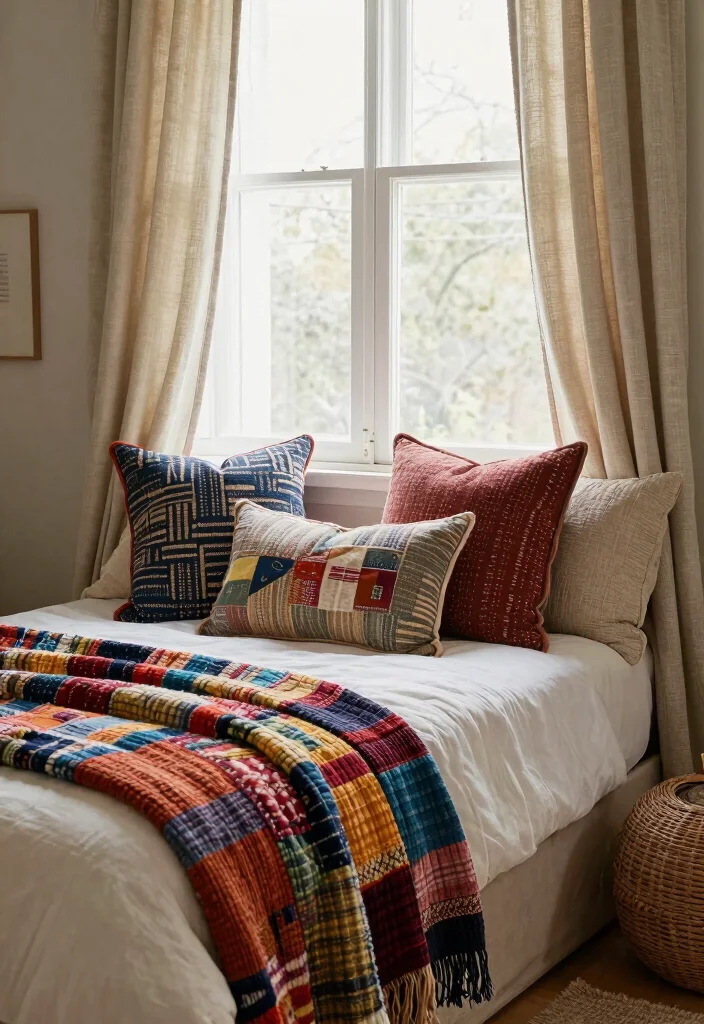
Textiles offer a fantastic way to express your style while enhancing the comfort of your bedroom with a living room. From curtains to cushions, fabric choices dramatically affect the vibe of your space. Opt for vibrant colors or playful patterns that resonate with your personality. Changing textiles seasonally can keep your space feeling fresh and lively. Use lighter fabrics and bright colors for summer, then switch to warmer tones and heavier materials during winter. – Choose high-quality fabrics that feel good against the skin.
– Incorporate various textures through throws and cushions.
– Use curtains to add softness and frame your windows beautifully.
– Consider DIY projects to create unique pieces that reflect your tastes.
Personalizing your textiles enhances the aesthetics of your space, creating a welcoming environment where you truly feel at home.
14. Unique Ceiling Designs
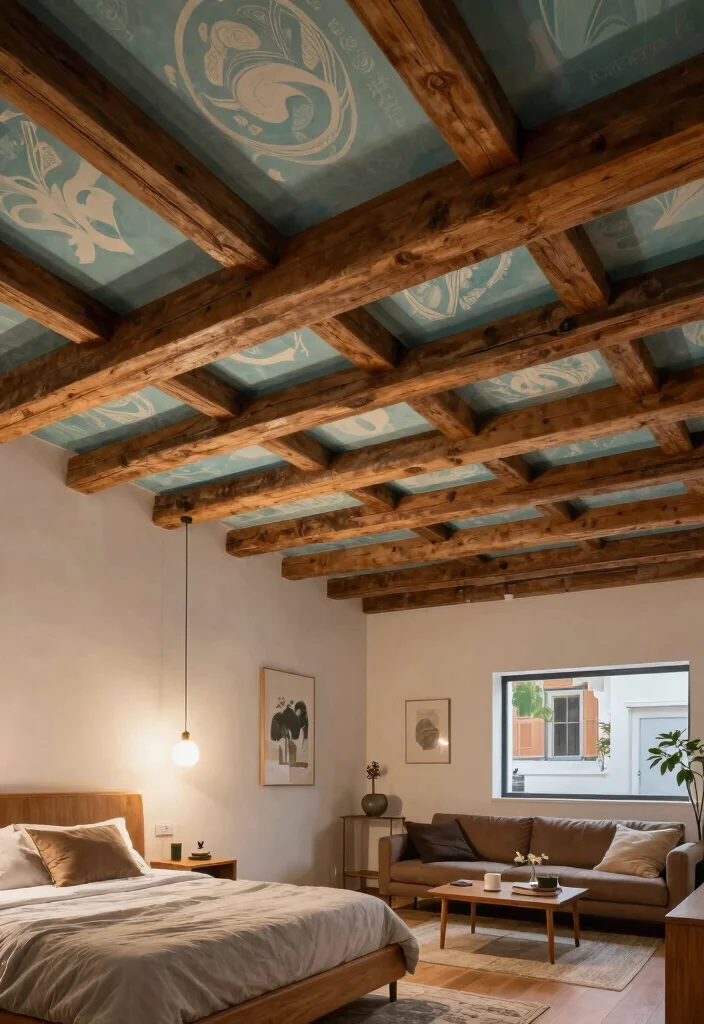
Don’t overlook the fifth wall! Unique ceiling designs can transform the ambiance of a bedroom with a living room layout. A painted ceiling can add depth, while exposed beams create rustic charm. Consider wallpaper or decorative moldings to elevate the design further. Incorporating hanging lighting fixtures can draw the eye upward, enhancing the sense of space. Painted ceilings, particularly in lighter shades, can make a room feel taller and airier. – Use wallpaper with light patterns to create visual interest.
– Incorporate beams painted in contrasting colors for depth.
– Consider metallic finishes to reflect light and add elegance.
– Use recessed lighting to keep the look clean and modern.
These unique touches can redefine your small space, making it feel not just functional but also artistically designed.
15. Integrating Personal Collections
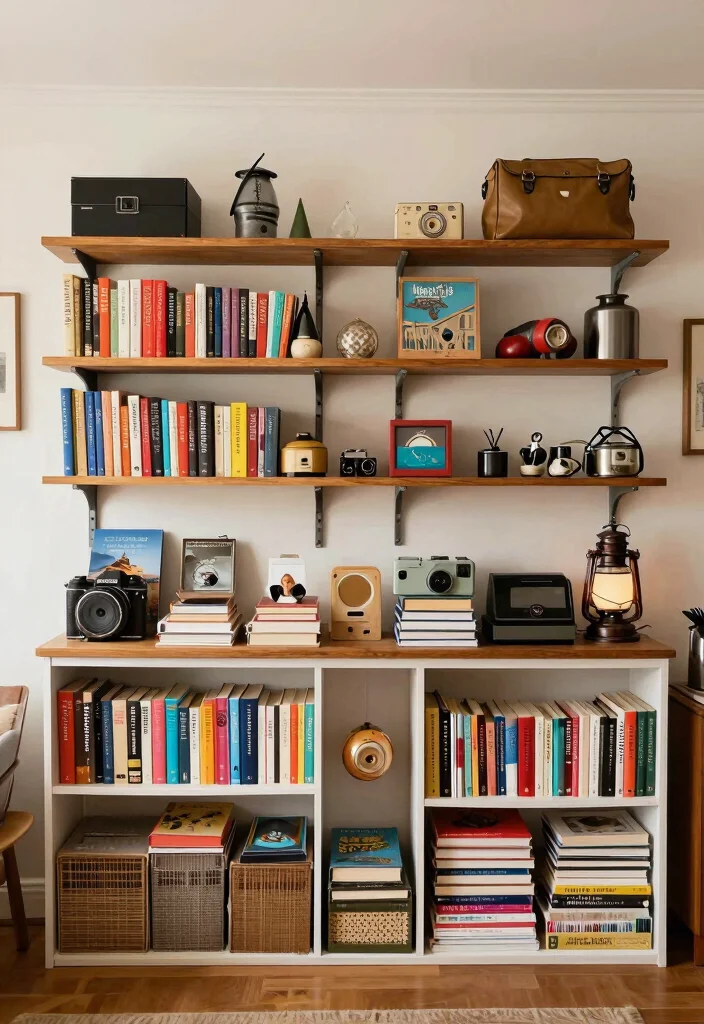
Adding personal collections to your decor infuses warmth and identity into your bedroom and living room blend. Whether it’s a collection of books, vintage trinkets, or travel souvenirs, showcasing these pieces can spark joy and tell your story. Arrange your collections thoughtfully on shelves or in display cases to make them a feature of your space. Consider how your collections can harmonize with your existing decor while avoiding clutter. Curating pieces with similar color schemes or themes creates a cohesive look. – Use shadow boxes or bookcases to display collections creatively.
– Incorporate decorative trays to group smaller items.
– Change displays periodically to keep the decor fresh.
– Ensure each collection has a designated space to avoid chaos.
Your personal touch will make your home feel truly special, reflecting who you are and what you cherish.
Your personal collections aren’t clutter; they are story anchors for a bedroom with living room harmony. Group pieces by color or theme, display thoughtfully on a shelf, and let them spark joy without overwhelming the space.



16. Seasonal Decor Changes
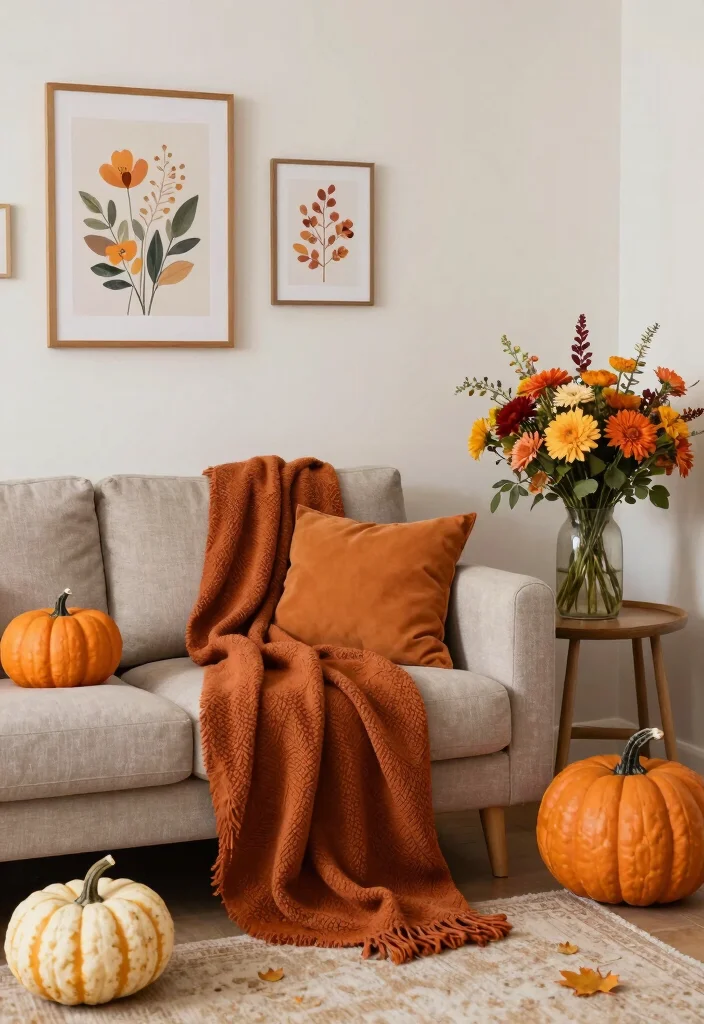
Seasonal decor changes are an enjoyable way to keep your bedroom and living room design feeling fresh and inviting. With minimal effort, you can shift the overall mood of your space by simply changing a few decor elements. In the fall, think about incorporating warmer colors like orange and rust, while spring can bring pastels and florals. Switching out throw pillows, blankets, and wall art can easily alter the atmosphere. Seasonal decorations not only keep the environment lively but also allow you to express your creativity throughout the year. – Store off-season items carefully to keep your space clutter-free.
– Incorporate holiday-themed decor subtly to avoid overwhelming the space.
– Use natural elements like pinecones or flowers for instant warmth.
– Consider DIY decor projects to add a personal touch for each season.
These changes don’t just refresh your space; they can also elevate your mood, creating a home that resonates with the seasons.


17. Bringing Outdoor Elements Indoors
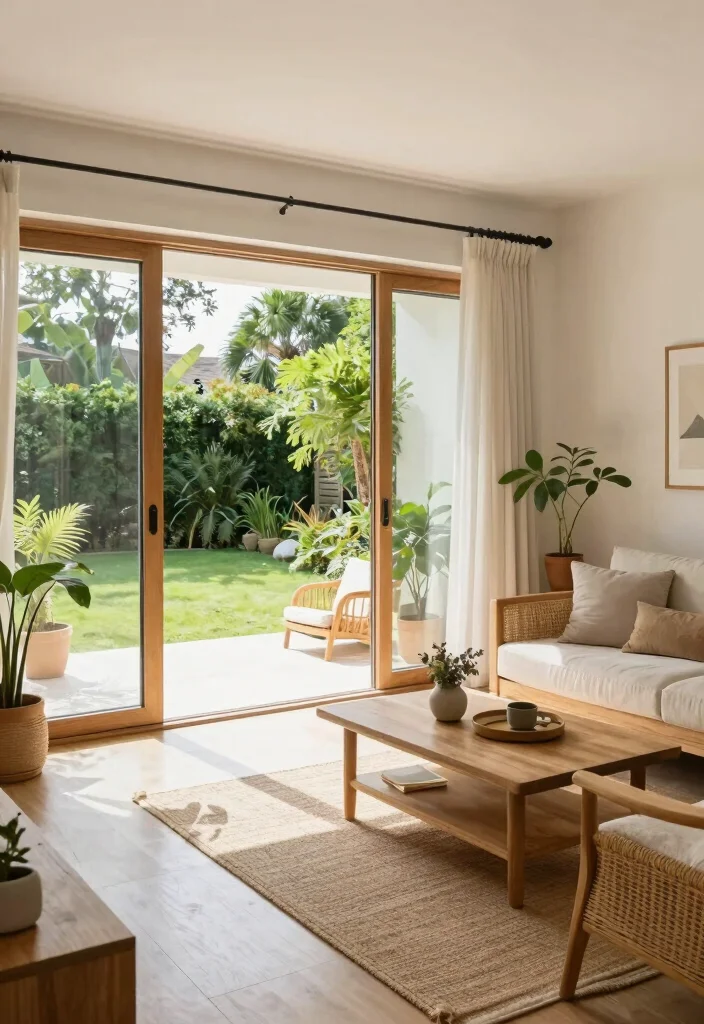
Incorporating outdoor elements creates a beautiful connection between indoor and outdoor spaces in your bedroom and living room. Natural materials like wood, stone, or rattan can make your space feel warmer and more grounded. Large windows or sliding glass doors help merge the two environments, allowing you to enjoy views of your outdoor space. Adding garden or patio furniture can create a seamless transition between indoors and out. Incorporate colors and materials that mimic nature for a calming environment. – Use natural fibers and materials in furnishings for a cohesive outdoor-indoor feel.
– Position plants to create a natural extension of your garden inside.
– Consider outdoor rugs that can withstand wear while adding warmth indoors.
– Incorporate light and airy fabrics to reflect the breezy outdoors.
This approach encourages an inviting, harmonious atmosphere that brings the essence of nature into your home.



Conclusion
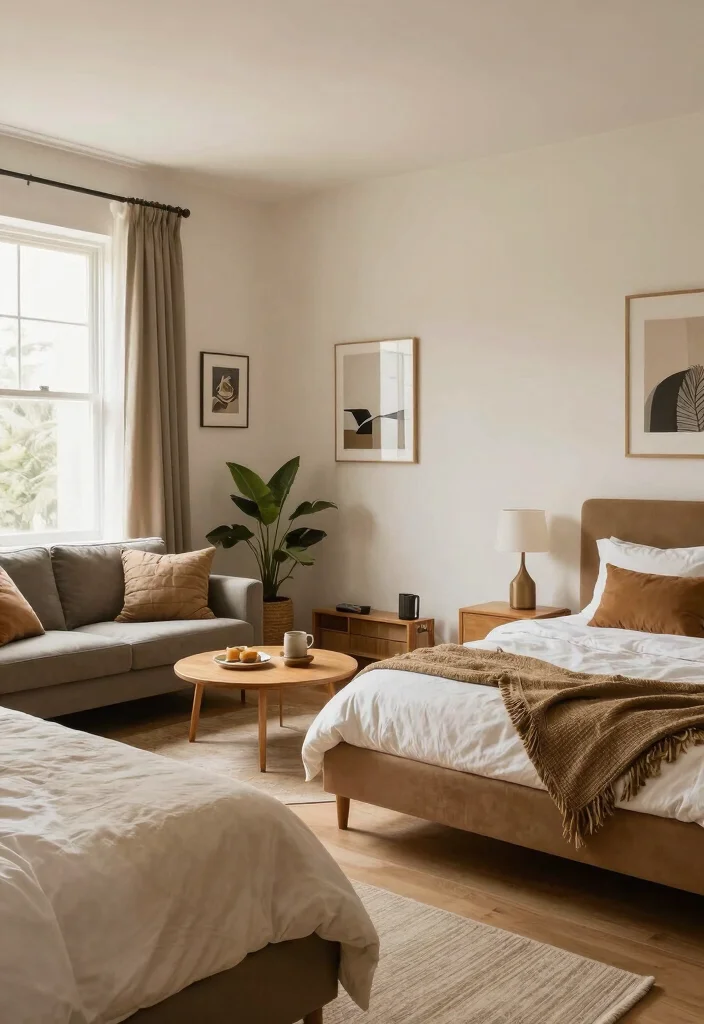
Creating a cozy and functional bedroom with a living room area requires thoughtful planning and innovative design choices. From multifunctional furniture to personal touches, every element can enhance the atmosphere of your space. Incorporating these ideas will not only optimize your small area but also make it a reflection of your unique style. Embrace your creativity, and don’t hesitate to mix and match concepts to truly make it your own.
Frequently Asked Questions
What are the best ways to design a bedroom with living room in a small space?
Design two clear zones: sleeping and lounging, defined with furniture placement and a tonal palette. A bedroom with living room can feel cohesive when you keep cohesive colors and light textures. Choose a sofa bed or daybed to handle guests without sacrificing floor space. Use multifunctional furniture like a storage ottoman, a fold-down desk, or a bed with built-in drawers to boost storage without crowding. Keep lines unobstructed with wall-mounted shelving and slim media stands to preserve sightlines for an open concept bedroom vibe. If you need a subtle division, try a light folding screen or a tall bookcase instead of solid walls. Finally, layer warm lighting, textiles, and a cozy rug to create cozy bedroom layouts that still feel spacious and practical, aligning with smart living room design ideas for small spaces.
How can I implement an open concept bedroom design that still feels cozy in a small space?
Open concept works best when you balance transparency and texture. Use soft, light colors and plenty of natural light; keep heavy furniture away from doorways. Add translucent or low-profile dividers (slatted screens, sheer curtains) to suggest zones without closing them off, preserving small space decor. Layer with cozy bedroom layouts—plush textiles, warm lamps, and a tactile rug. Choose open concept bedroom furniture that’s slim or modular so you can rearrange for daily living. Finally, incorporate living room design ideas that complement the sleeping zone, ensuring the space remains functional and calm.
Which multifunctional furniture pieces work best for a bedroom with living room setup?
Look for multifunctional furniture that hides storage or serves two purposes. A murphy bed with built-in shelves, a sofa with hidden drawers, or an ottoman that opens to stash blankets work great in a bedroom with living room setup. Choose compact, modular pieces that can reconfigure into a seating area or a desk, matching living room design ideas for a cohesive look. For small space decor, pick pieces with slim profiles and light finishes to keep the area feeling open.
How can I separate sleeping and living areas without walls in a open concept bedroom?
Use non-wall dividers to separate zones while keeping sightlines open. Place a rug under the bed to anchor the sleeping zone and a different rug for the living area to cue different uses. Install a low, open-backed shelf or a row of tall plants as a soft boundary. Opt for soft lighting layers—table lamps at bedside and floor lamps in the living zone—to draw the eye across the room. All of this helps you maintain an open concept bedroom feel and achieve cozy bedroom layouts without sacrificing small space decor functionality.
What storage ideas maximize a small space decor in a bedroom with living room setup?
Maximize storage with tall, slender units and under-bed solutions. Use multifunctional furniture like a bed frame with built-in drawers, an ottoman that opens, or a coffee table with storage. Choose vertical storage: wall shelves, corner shelving, and slim wardrobes to keep the floor clear. Baskets and labeled bins under seating add small space decor appeal while staying practical. Finally, rotate items seasonally to maintain a calm, organized bedroom with living room that doubles as a cozy retreat and functional living area.
Related Topics
home decor
open concept bedroom
small space living
multifunctional furniture
cozy layouts
living room design
minimalist style
space-saving solutions
budget friendly
easy decor tips
modern interiors
small apartment ideas