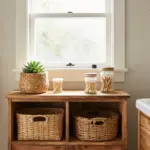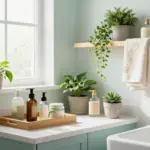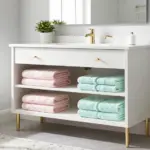
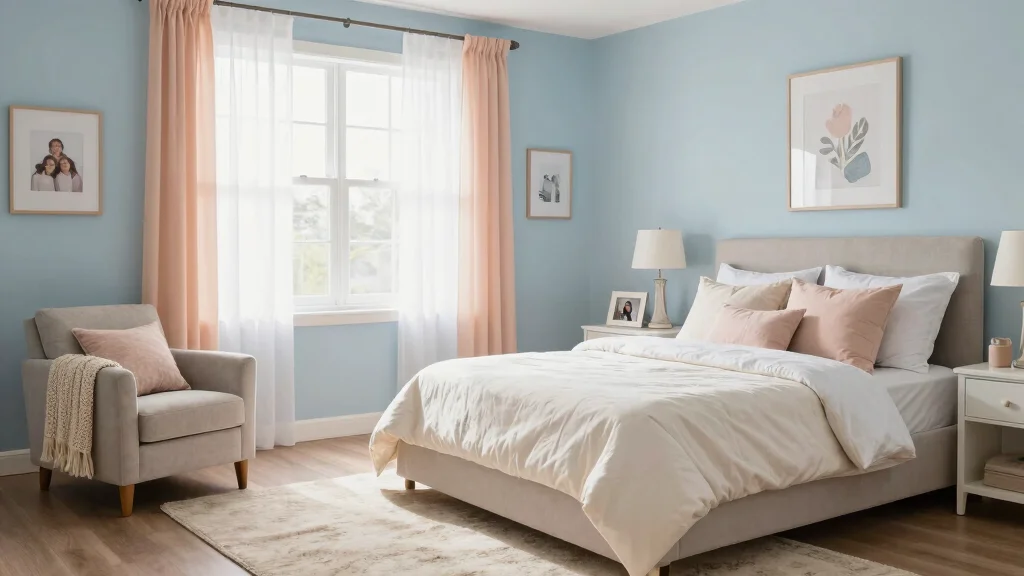
Creating a cozy, safe, and stylish bedroom is essential for those in assisted living. This space isn’t just about having a place to sleep; it should also be a sanctuary that promotes comfort and feelings of home. I wrote this post to help you explore a range of assisted living bedroom ideas, specifically tailored for memory care patients. These ideas can help caregivers and families create environments that not only look good but also cater to the unique needs of seniors.
If you are a caregiver or a family member of someone in assisted living, you know how important it is to promote independence and comfort. You want a space that feels personal and inviting, not just functional. This guide will provide you with 16 thoughtful ideas to enhance bedroom spaces, ensuring they are comfortable, safe, and stylish. You’ll learn about design choices that evoke memories, encourage relaxation, and support mobility—all while maintaining a chic aesthetic.
Let’s dive into these inspiring ideas to transform bedrooms into comfortable living spaces that truly meet the needs of older adults. With a touch of creativity and practical strategies, you can create a stylish aging-in-place environment that feels just like home.
Key Takeaways
– Soft Color Palettes: Use calming colors to create a serene atmosphere, which is essential for relaxation and emotional well-being. Soft blues, greens, and pastels work wonders.
– Adjustable Beds: Consider adjustable beds for better comfort and safety. They allow seniors to change positions easily, promoting better sleep and reducing strain.
– User-Friendly Furniture: Choose furniture that is easy to use and navigate. Pieces with simple designs and rounded edges can enhance safety and accessibility.
– Cozy Nooks: Create cozy reading nooks with comfortable seating and good lighting. This offers a perfect spot for relaxation and mental stimulation through reading.
– Accessible Storage Solutions: Incorporate accessible storage options to keep belongings organized. This helps seniors retain their independence by reducing clutter and making items easy to find.


1. Soft Color Palettes for Calmness
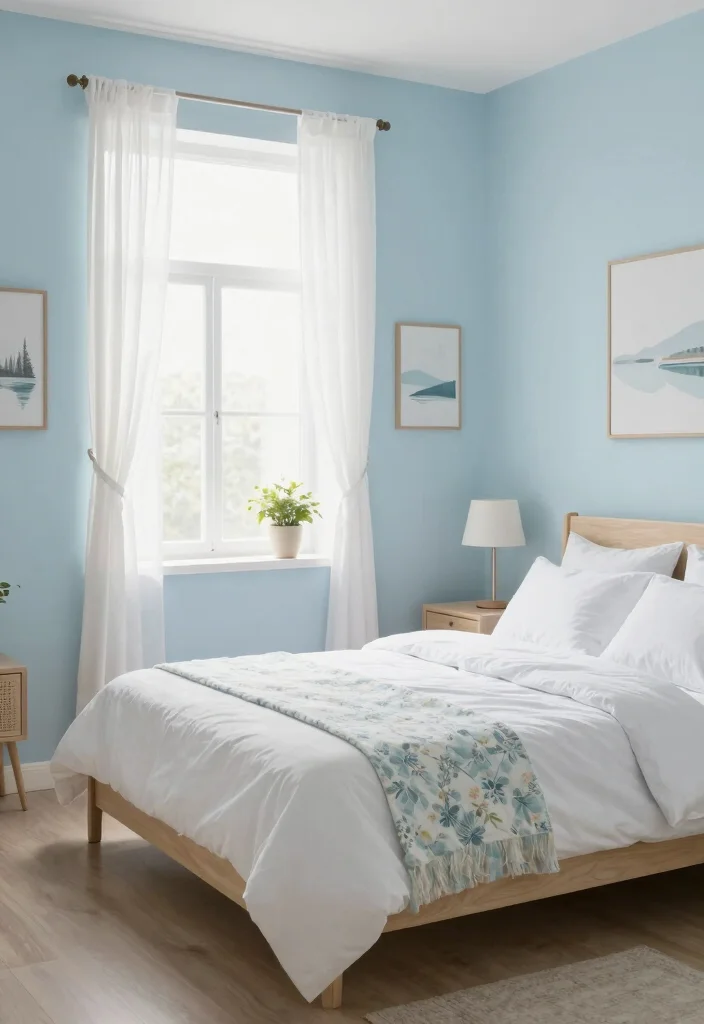
Embracing soft color palettes like pastel blues, gentle greens, or warm creams can transform a bedroom into a serene retreat. These hues not only soothe the mind but also create a calming atmosphere essential for restful sleep. Imagine pastel blue walls paired with cream bedding, bringing a sense of tranquility without overwhelming the senses.
To implement this, consider painting the walls in a soothing tone and selecting bedding that harmonizes with the overall decor. Accessories such as throw pillows or cozy blankets in complementary shades can enhance the cohesive look.
Design Tips:
– Choose low-VOC paint for a healthier indoor environment.
– Layer textures with cushions or woven baskets for added visual appeal.
– Incorporate nature-themed artwork to evoke peace and relaxation.
This gentle color palette fosters a peaceful ambiance, making it easier for residents to unwind and feel at home.


2. Adjustable Beds for Comfort and Safety
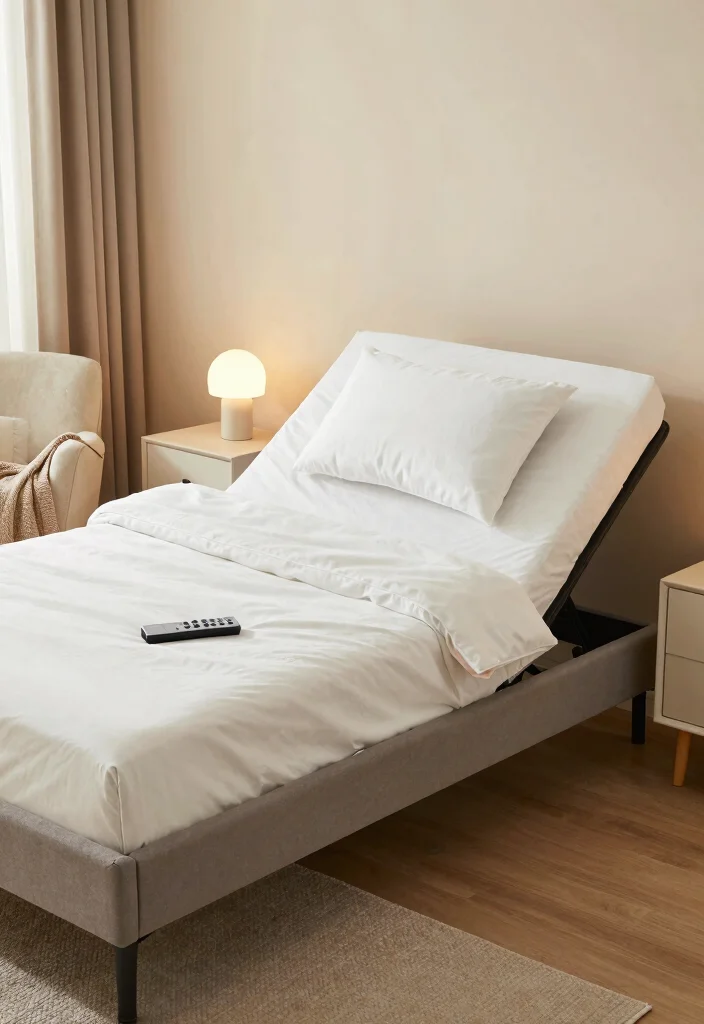
Adjustable beds are an excellent investment for comfort and safety in assisted living bedrooms. They allow residents to elevate their head or feet, making sitting up or lying down effortless. This feature is especially beneficial for seniors with mobility challenges, enhancing their overall comfort.
Many adjustable beds come with user-friendly remote controls, making them easy to operate. Incorporating these beds not only improves comfort but also offers a modern touch to the room’s aesthetic.
Benefits of Adjustable Beds:
– Promotes better circulation, easing joint pressure.
– Simplifies transfers from bed to wheelchair.
– Enhances comfort for reading or watching TV in bed.
By integrating adjustable beds, you blend safety with sophistication, creating a welcoming environment for residents.
Adjustable beds make daily routines safer and easier in assisted living bedrooms. A simple remote lets residents sit up or elevate for comfort, reducing strain and the risk of falls. It’s a practical, stylish step in memory care that families can trust.
How To Choose The Right Bedroom Furniture for Assisted Living
Choosing the right bedroom furniture for assisted living is crucial to creating a comfortable, safe, and stylish environment for memory care patients. The right pieces not only enhance the room’s aesthetics but also provide comfort and accessibility. Here’s how to select the ideal furnishings:
1. Comfort Level
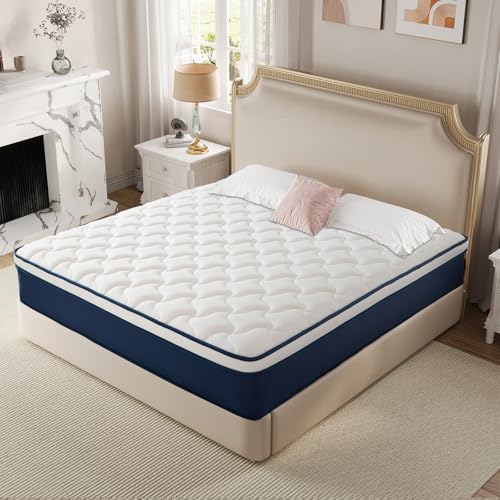
Comfort is essential in assisted living bedroom furniture. Look for items that offer ample support, such as beds with adjustable features that cater to various sleeping positions. Soft mattresses and padded headboards can also enhance comfort. Consider trying out furniture in-store to get a feel for what works best.
2. Safety Features
Safety is paramount in any assisted living space. Choose furniture with rounded edges to prevent injuries. Non-slip surfaces and beds with guardrails can further enhance safety. Ensure that all furniture is sturdy and stable to support mobility aids, such as walkers or canes.
3. Size and Space Utilization
Measure the room before selecting furniture. Ensure that pieces fit well without overcrowding the space. Aim for at least 30 inches of clearance around the bed and other furniture for easy movement. Multi-functional furniture, like storage ottomans, can maximize space efficiency while providing additional functionality.
4. Style and Personalization
The bedroom should feel like a personal sanctuary. Choose colors and styles that resonate with the resident’s personality. Soft color palettes can create a calming environment, while meaningful artwork and personal touches can evoke cherished memories. This personal connection can significantly enhance emotional well-being.
5. Accessibility and Ease of Use
Furniture should be easy to use and accessible. Look for user-friendly designs, such as dressers with drawers that open easily and chairs that can accommodate different body types. Avoid complicated mechanisms that may be confusing or difficult to operate.
6. Budget Considerations
While you want the best for your loved one, setting a budget is essential. Research various brands and look for sales or discounts. Prioritize quality over quantity to ensure that the furniture lasts and remains functional. You might find durable options at budget-friendly prices that still meet safety and comfort standards.
Pro Tip: Always involve the resident in the decision-making process. Their comfort and preferences should guide your choices. They may have specific likes or dislikes regarding color, style, or function, making the selection process feel more engaging and personal.
By following these guidelines, you can create an assisted living bedroom that is not only stylish but also a haven of comfort and safety. Remember, the goal is to create a living space where the individual feels at home, secure, and valued.



3. User-Friendly Furniture Choices
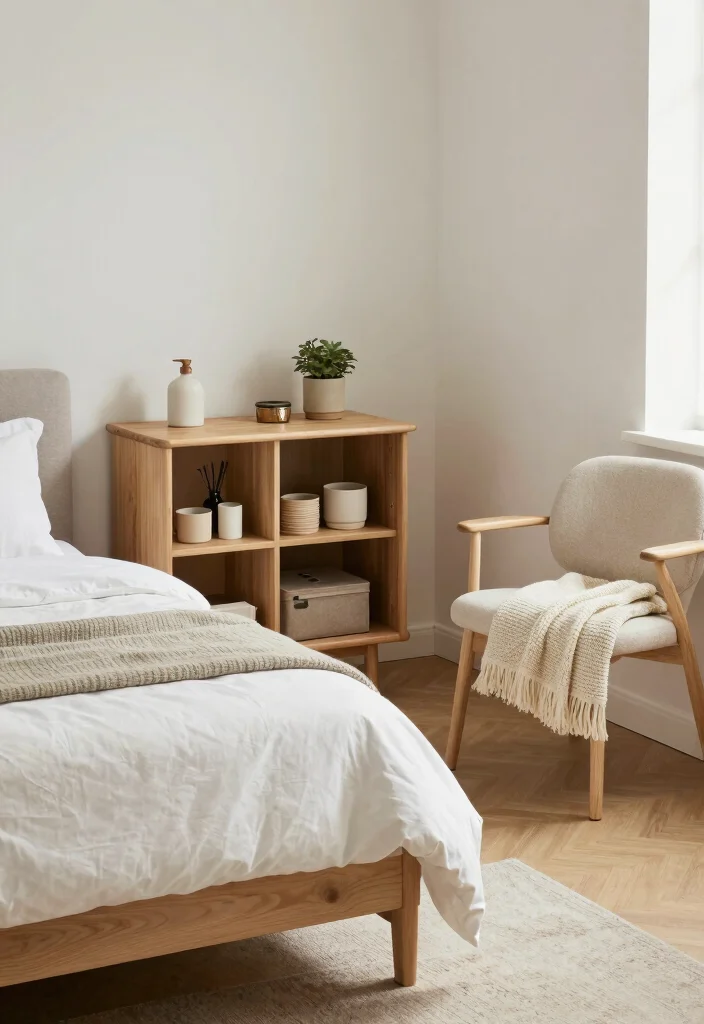
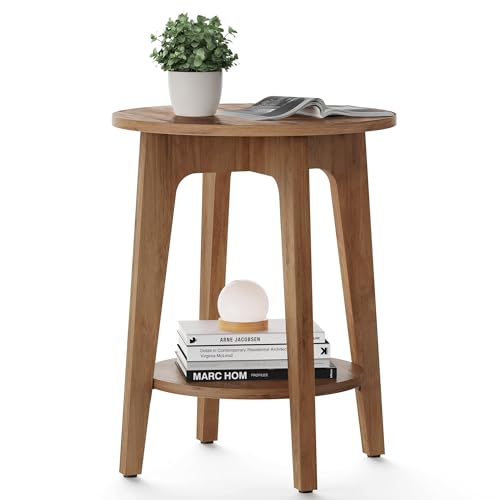
When designing bedrooms for memory care patients, selecting user-friendly furniture is essential. Aim for pieces with rounded edges and easy-to-use features to ensure safety and accessibility. For example, side tables with lift-top lids can serve as stylish storage solutions, keeping personal items organized and within reach.
Lightweight chairs that are easy to move around can create flexible room layouts, accommodating various needs. Prioritizing user-friendly designs helps foster independence and comfort for residents.
Stylish Suggestions:
– Choose furniture with non-slip feet to prevent accidents.
– Opt for low-profile chairs for easy sitting and standing.
– Look for storage solutions that are easily reachable while seated.
By focusing on practicality, you create a safe and inviting space where residents can thrive.


4. Natural Lighting for Vitality
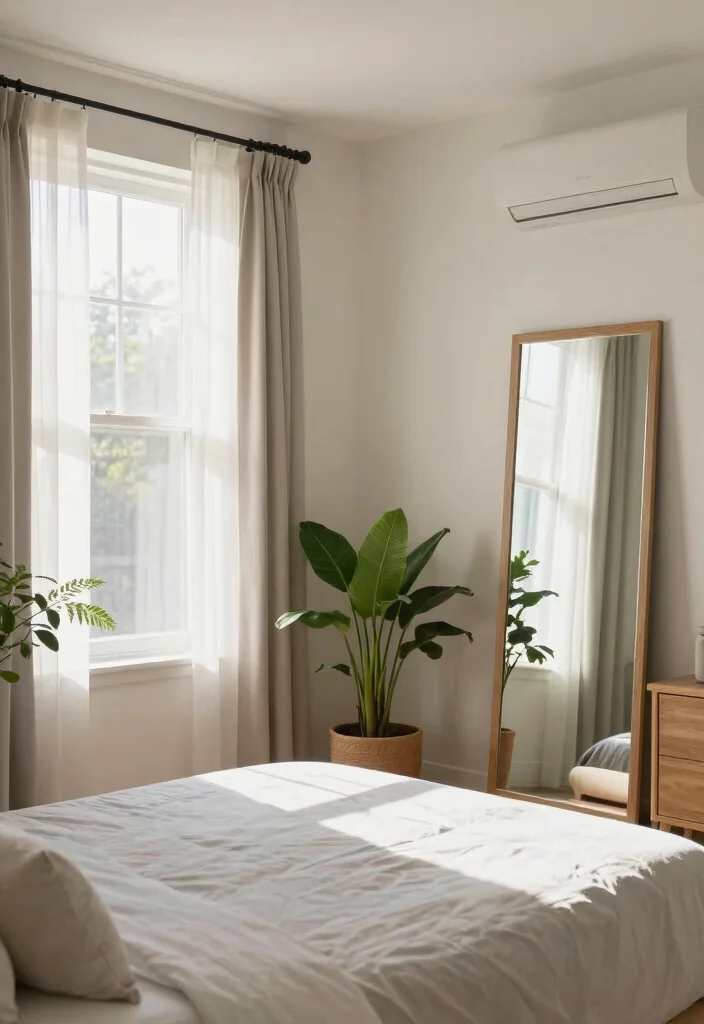
Maximizing natural light in bedrooms is crucial, especially in assisted living environments. Sunlight boosts mood and mental well-being, making it vital to incorporate ample windows or skylights. Pair sheer curtains with well-placed furniture to allow light to flood the space while maintaining privacy.
Arranging furniture to face windows can help residents enjoy the sunshine and views. A well-lit room not only feels more inviting but also contributes to emotional health.
Enhancing Natural Light:
– Use mirrors to reflect light and create a brighter atmosphere.
– Opt for light-colored furnishings to amplify brightness.
– Position plants near windows to thrive in natural light and add life.
A bright, airy bedroom fosters positivity and enhances the overall well-being of its residents.
5. Non-Slip Flooring for Safety
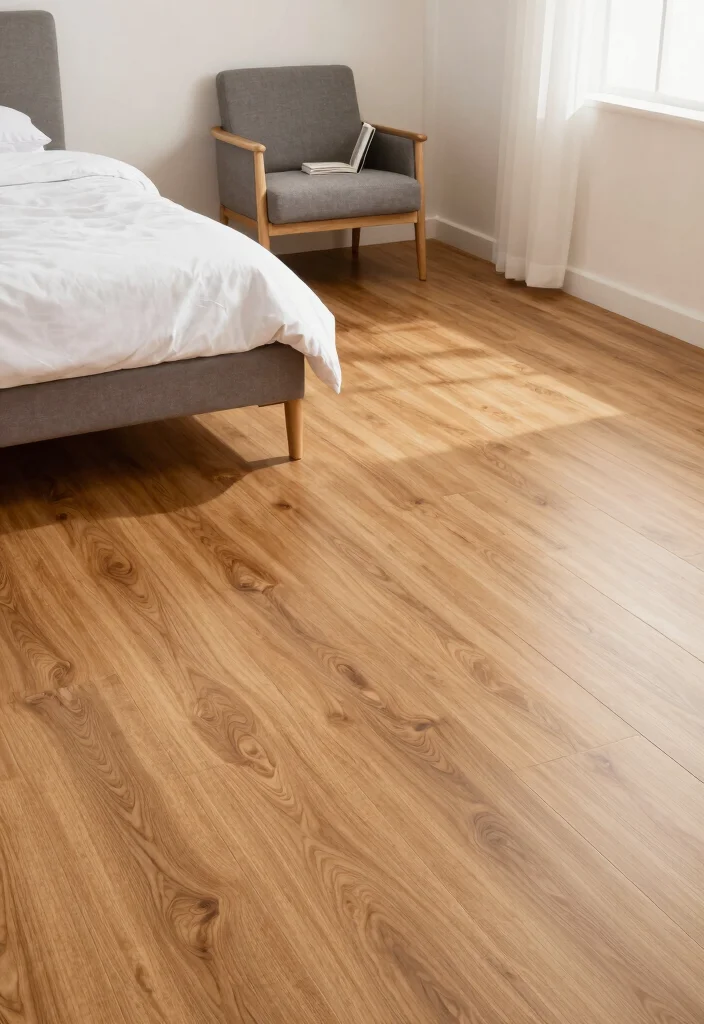
Safety is a top priority in assisted living spaces, making non-slip flooring essential for bedrooms. Consider stylish laminate or vinyl options that provide a durable and easy-to-clean surface. These flooring choices come in a variety of designs, ensuring they align with any decor style while prioritizing safety.
Avoid rugs that could pose tripping hazards—if rugs are desired, select those with non-slip backing. Choosing the right flooring can significantly enhance safety and comfort.
Flooring Tips:
– Ensure all transitions between flooring types are level.
– Choose warm tones that harmonize with the overall decor.
– Regularly inspect flooring for wear and tear to maintain safety.
Safe flooring creates a nurturing environment, allowing residents to move freely without fear of accidents.
6. Personal Touches to Evoke Memories
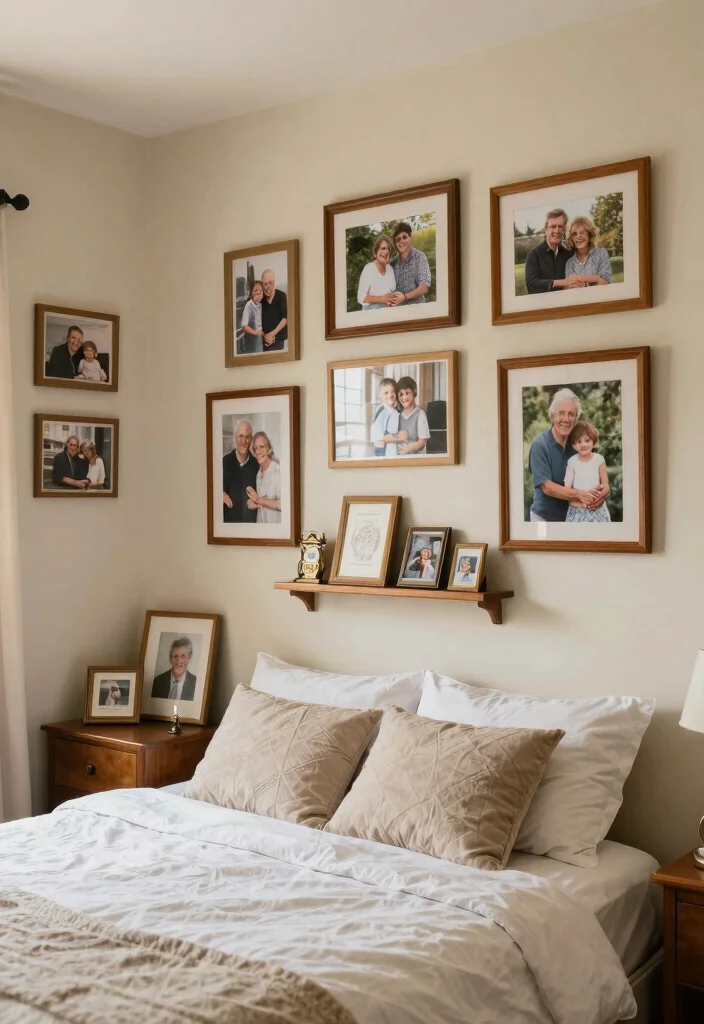
Adding personal touches to bedroom decor can greatly improve the emotional comfort of memory care patients. Incorporating family photos, cherished items, or meaningful artwork fosters a sense of belonging. Create a dedicated display area where residents can showcase their favorite items, sparking joyful memories and conversations.
Rotating these items regularly can keep the display fresh and engaging. Encouraging family involvement in selecting items can further personalize the space.
Creating a Meaningful Display:
– Use shadow boxes to showcase precious items safely.
– Regularly refresh the display to keep it interesting.
– Invite family members to contribute new items for variety.
Personal touches transform a clinical environment into a warm home, enhancing the sense of community.
7. Clear Pathways for Mobility
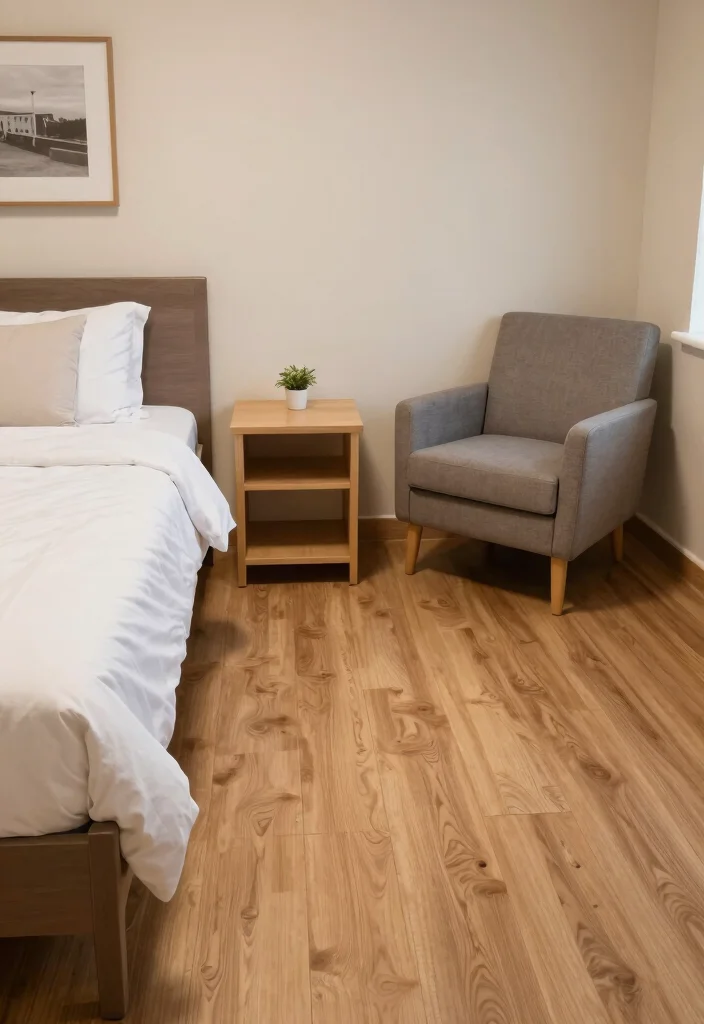
Designing bedrooms with clear pathways is vital for mobility, especially for those using walkers or wheelchairs. Ensure furniture is arranged to allow smooth navigation from the bed to other areas. Pathways should ideally be at least 36 inches wide to accommodate mobility aids, promoting independence.
Keep frequently used items within easy reach to enhance convenience and autonomy. Thoughtful layout design can greatly improve residents’ confidence in their space.
Pathway Design Tips:
– Avoid bulky furniture that obstructs pathways.
– Choose wall decor that is flush to avoid protrusions.
– Select multi-functional furniture to minimize clutter.
Open pathways create a secure environment, allowing residents to move freely and confidently.
8. Cozy Reading Nook for Relaxation
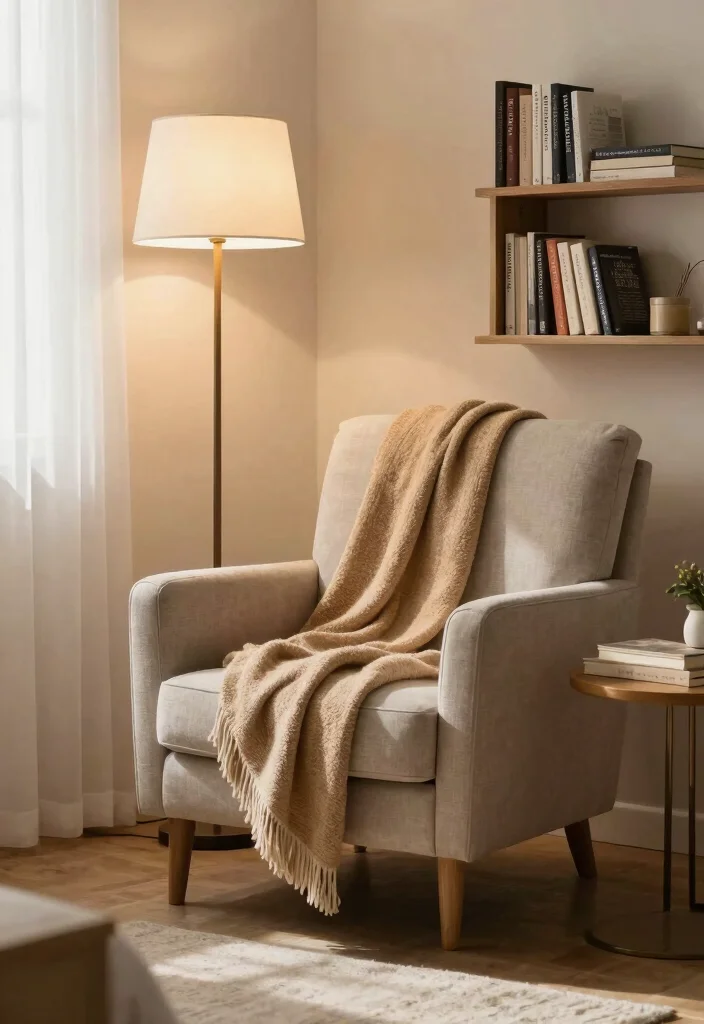
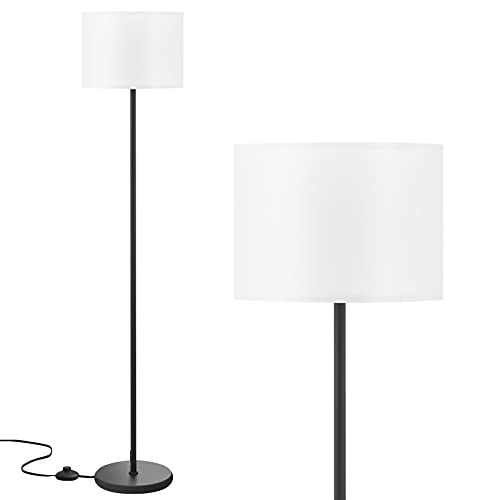
Creating a cozy reading nook encourages relaxation and cognitive engagement. A plush armchair or chaise lounge paired with a side table offers the perfect spot for enjoying books or magazines. Ensure this nook is well-lit, either with a floor lamp or natural light from nearby windows, enhancing its inviting nature.
Adding a small bookshelf filled with favorite reads makes the area personal and warm. A dedicated space for reading can invite residents to unwind and enjoy their interests.
Reading Nook Essentials:
– Choose soft, easy-to-maintain fabrics for comfort.
– Incorporate a warm throw blanket for extra coziness.
– Keep the nook clutter-free to enhance tranquility.
A reading nook provides a serene escape, allowing residents to dive into their passions and relax.



9. Meaningful Artwork for Inspiration

Incorporating meaningful artwork can significantly enhance the emotional atmosphere of a bedroom. Select pieces that resonate with the individual, whether landscapes, abstract art, or prints of cherished places. This art can stimulate conversation and evoke fond memories, making it a powerful element in the decor.
Creating a small gallery wall allows for a rotating selection of artwork, keeping the space fresh and engaging. Thoughtfully chosen art personalizes the environment, adding character and warmth.
Artistic Considerations:
– Choose lightweight frames for easy handling.
– Hang art at eye level for optimal viewing.
– Select colors that complement the room’s overall palette.
Meaningful artwork enriches the space, contributing to an uplifting and inspirational environment.
10. Multi-Functional Furniture
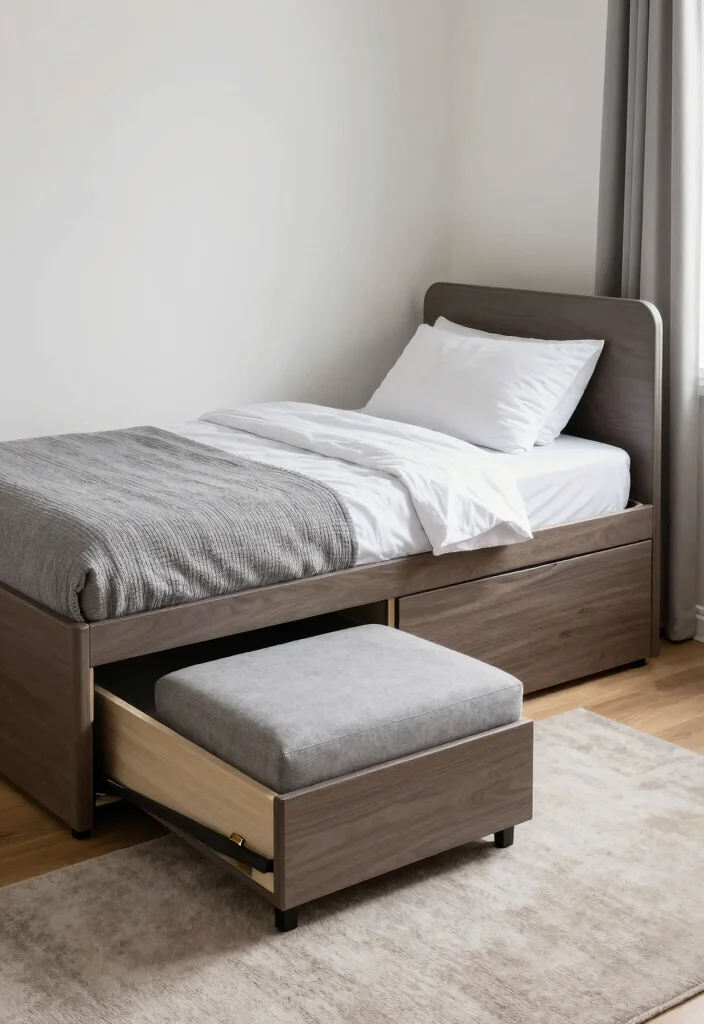
Opting for multi-functional furniture is a smart choice to maximize space while serving various purposes. This is especially beneficial in smaller bedrooms where every inch counts. Beds with built-in storage drawers or ottomans that double as seating can offer added functionality without clutter.
Finding the right balance between style and practicality ensures that the space remains organized and adaptable. Multi-functional pieces help residents maintain an orderly environment while catering to their needs.
Benefits of Multi-Functional Furniture:
– Saves space and reduces clutter effectively.
– Provides extra storage and organization options.
– Allows for flexibility as needs evolve over time.
Choosing versatile furniture enhances the living experience, ensuring the space remains functional and inviting.
11. Smart Technology for Convenience
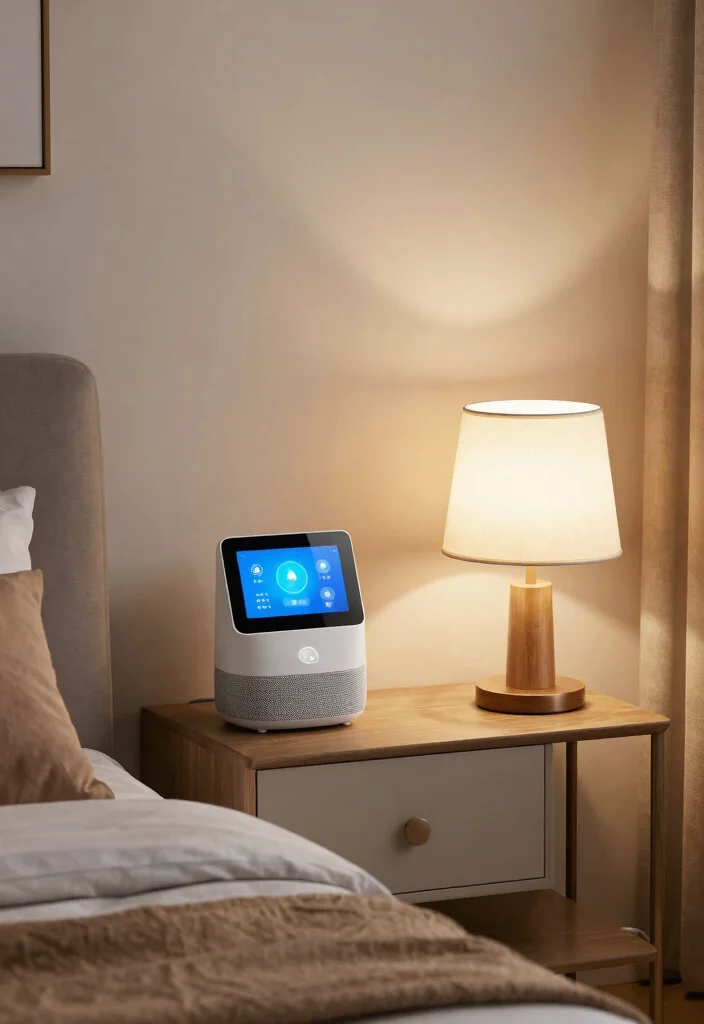
Integrating smart technology into assisted living bedrooms can greatly enhance residents’ quality of life. Smart lighting, voice-controlled devices, and remote-controlled curtains provide additional convenience and foster independence. These technologies simplify daily tasks, allowing residents to easily adjust their environment without assistance.
Consider security devices such as door sensors or emergency alert systems for added peace of mind. Smart technology can create a more comfortable and secure living space.
Tech Tools to Explore:
– Smart speakers for music and reminders.
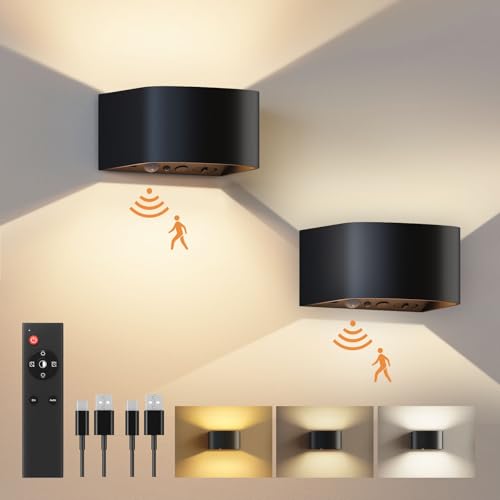
– Motion-sensor lights for safety during nighttime.
– Remotely adjustable thermostats for comfort.
Smart technology empowers residents, enhancing their sense of control and independence in their living space.
Did you know 78% of memory care residents feel more independent when smart lighting and voice-controlled devices are within reach? Our assisted living bedroom ideas show how smart technology—curtains, lighting, door sensors—adds everyday convenience and safety.
12. Inviting Textures for Comfort
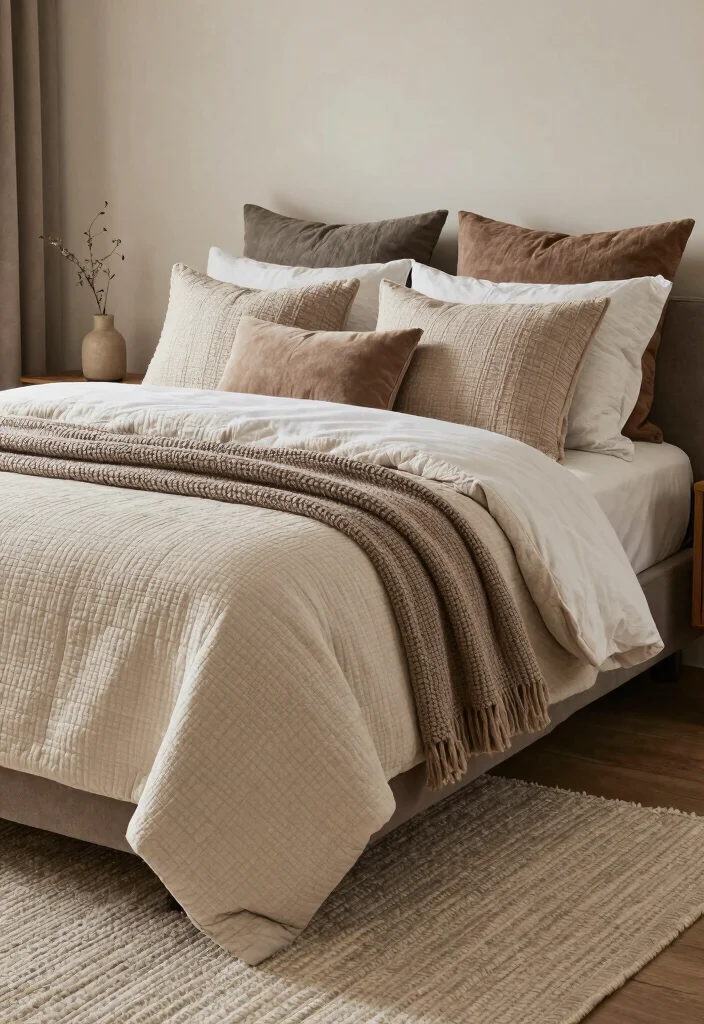
Incorporating a variety of textures into bedroom decor can add depth and comfort. Soft blankets, plush rugs, and textured pillows create a warm atmosphere that invites relaxation. A mix of materials like cotton, wool, and linen appeals to the senses, enriching the overall experience.
Different textures engage residents, making the space feel cozy and inviting. This tactile variety can enhance the emotional comfort of memory care patients, providing a soothing environment.
Texture Design Tips:
– Layer materials for added warmth and visual interest.
– Choose pillows and throws that are easy to wash.
– Incorporate a variety of soft textures to engage the senses.
An assortment of inviting textures transforms the bedroom into a comforting refuge, perfect for unwinding.
13. Ambient Lighting for Relaxation
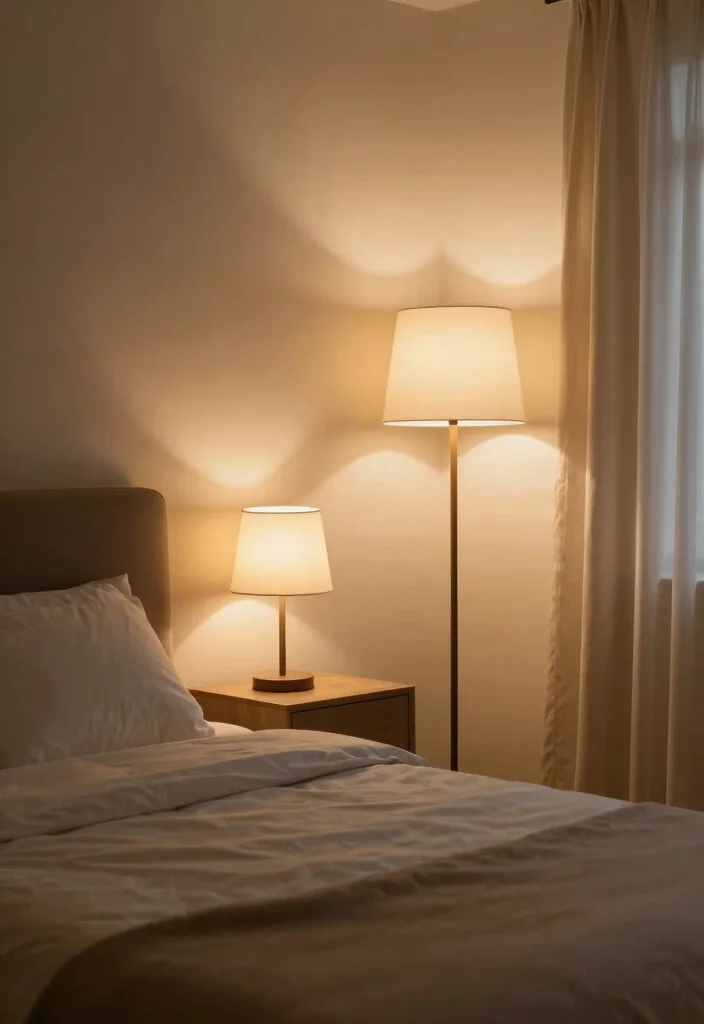
Ambient lighting is vital for creating a relaxing atmosphere in assisted living bedrooms. Soft, warm lights set the mood and promote calmness, particularly during the evening hours. Dimmable lights enable residents to adjust brightness according to their preferences, enhancing comfort.
A combination of floor lamps, table lamps, and wall sconces can provide balanced lighting options while complementing the overall decor. Thoughtfully planned lighting elevates the ambiance of the room.
Lighting Suggestions:
– Use energy-efficient LED bulbs for longevity.
– Consider night lights for safe navigation at night.
– Layer different light sources to create depth and warmth.
Intentional ambient lighting significantly enhances comfort, making the bedroom a soothing haven.



14. Accessible Storage Solutions
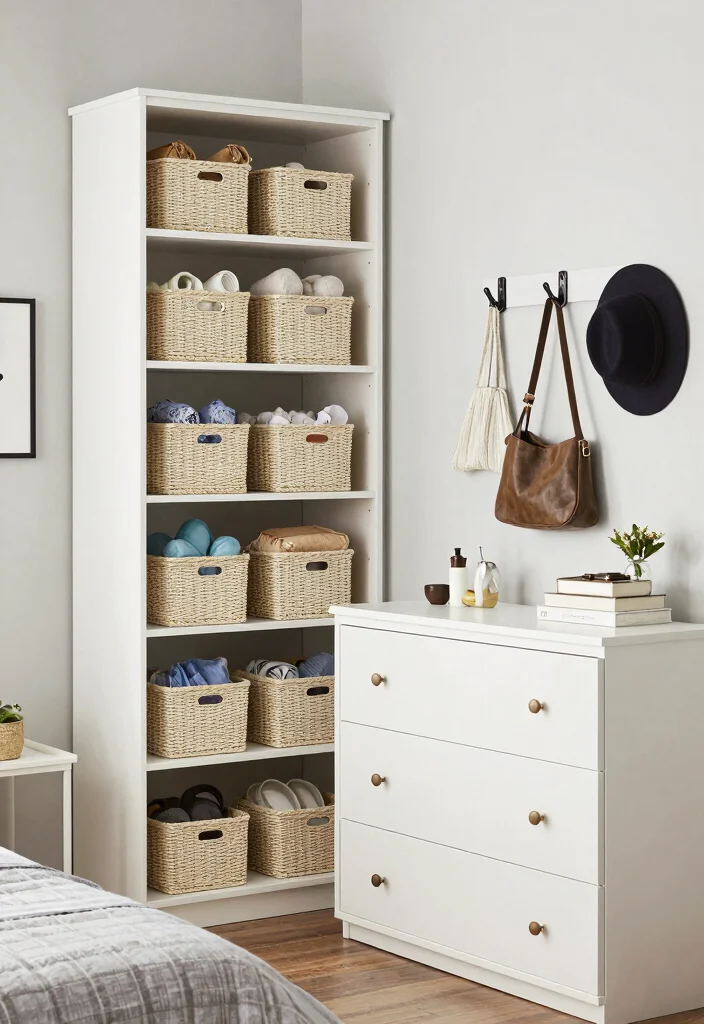
Effective storage is crucial in assisted living spaces, especially for residents who need easy access to personal items. Incorporate open shelving units to keep belongings visible and reachable. Using baskets or bins can help organize smaller items, making them easily accessible.
Design storage solutions that allow for effortless use without excessive bending or stretching—think drawers that slide out smoothly. This thoughtful approach helps residents maintain control over their belongings.
Storage Ideas:
– Use labeled containers for easy identification of items.
– Include hanging organizers for bags or accessories.
– Store frequently used items within easy reach to minimize frustration.
Accessible storage promotes organization and empowers residents to feel in control of their environment.
15. Safe Medical Equipment Integration
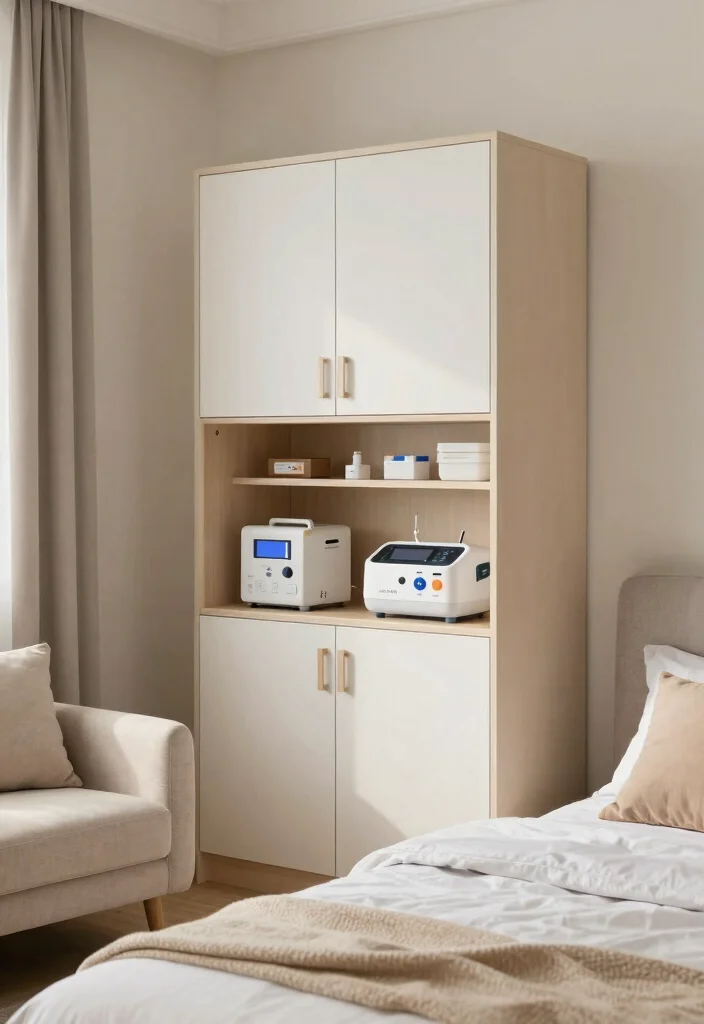
Integrating medical equipment into bedroom design can be a challenge, but it’s necessary for ensuring residents’ safety and comfort. Plan the layout to ensure that items like oxygen tanks or mobility aids blend seamlessly with decor while remaining accessible. Stylish storage solutions can help hide medical devices, keeping the space organized.
Choose furnishings that accommodate necessary equipment without overwhelming the room. This thoughtful integration prioritizes health while maintaining a welcoming aesthetic.
Integration Tips:
– Use decorative screens or cabinets to conceal equipment.
– Choose colors that complement the room’s overall palette.
– Position equipment for easy access while keeping it unobtrusive.
By thoughtfully incorporating medical necessities, you create a harmonious living environment that balances health and style.
Fun fact: 80% of safety incidents in memory care happen when equipment isn’t stored properly. Integrating stylish storage and accessible layouts in assisted living bedroom ideas keeps devices handy and the room calm.
16. Outdoor Views for Serenity
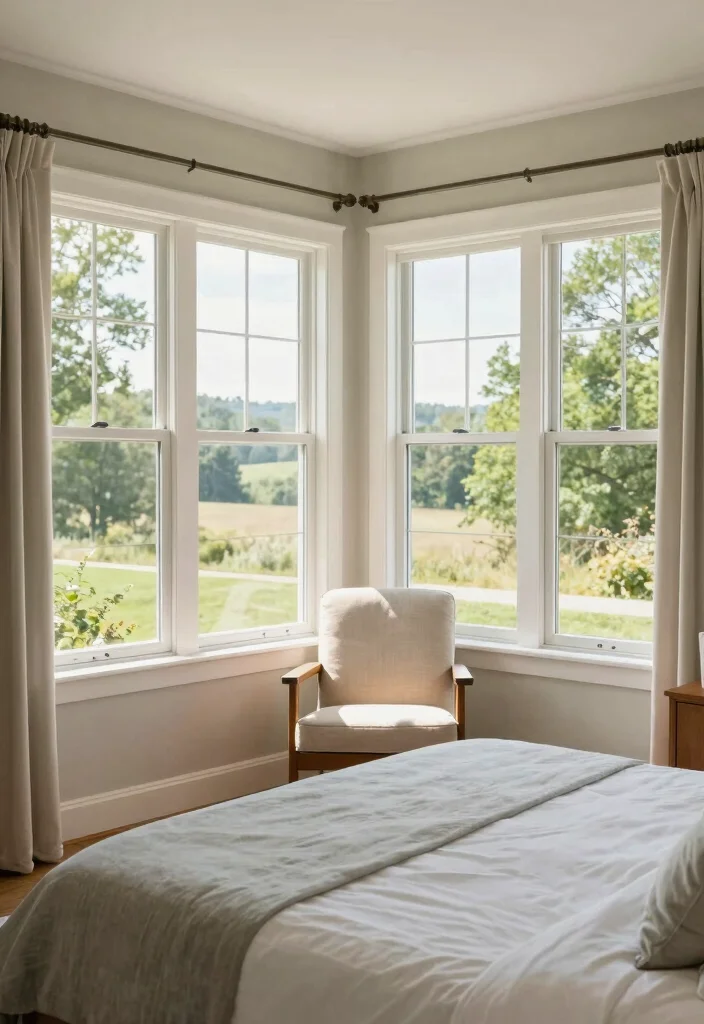
Whenever possible, arrange bedrooms to take full advantage of outdoor views. Natural surroundings can significantly uplift a senior’s mood, providing a calming backdrop. Position chairs near windows or design small balconies for residents to enjoy fresh air and nature when weather permits.
Maximizing outdoor views promotes tranquility and encourages outdoor activity. This connection with nature can greatly enhance emotional well-being.
Outdoor Connection Tips:
– Keep window sills clear to maximize views.
– Use light curtains to filter views while maintaining brightness.
– Incorporate indoor greenery to bring the outdoors inside.
Access to outdoor views creates a serene atmosphere, fostering relaxation and overall happiness in assisted living bedrooms.
Conclusion
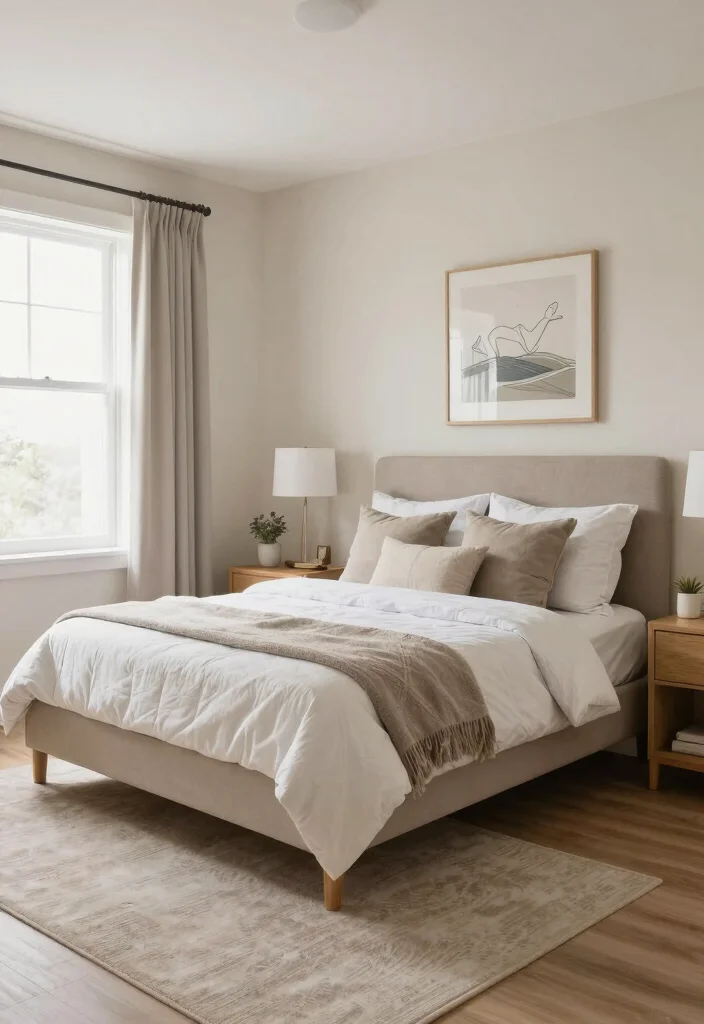
Designing assisted living bedrooms that are comfortable, safe, and stylish is an essential part of enhancing the quality of life for residents. By considering the unique needs of memory care patients, you can create spaces that not only promote independence but also reflect personal tastes and preferences.
These 16 ideas offer a foundation for creating nurturing environments where residents can thrive, making their surroundings a true home. Explore these trends, and remember that small changes can make a significant difference in creating welcoming and supportive spaces.
Frequently Asked Questions
What are the essential elements of effective assisted living bedroom ideas for memory care patients?
Great question. Start with safety and simplicity: choose safe bedroom furnishings with rounded edges, a bed at an accessible height, and non-slip rugs. Use plenty of soft, glare-free lighting and a few clearly visible nightlights to support memory care needs. Keep clutter to a minimum and use simple, familiar storage so items are easy to find. Select a calming color palette to create comfortable living spaces and add practical features like easy-to-reach light switches and contrast for doorways. These assisted living bedroom ideas promote safety and independence while staying stylish.
How can I balance safe bedroom furnishings with stylish aging in place in an assisted living bedroom?
Balancing safe bedroom furnishings with stylish aging in place is very doable. Choose furniture with rounded corners and sturdy bases, use low-profile storage, and add protective edge guards where needed. Pick assisted living room decor and decor accents that stay simple and clutter-free, which keeps the space feeling calm. Opt for high-contrast switches and lighting to support senior bedroom designs and avoid overwhelming patterns. In short: function first, with comfortable living spaces that still look inviting and polished.
What layout tips help memory care residents move around comfortably in an assisted living bedroom?
Plan a clear path from bed to door and to the bathroom, keep pathways wide, and place frequently used items within easy reach. Use color-contrast cues for doors and switches to aid recognition, and ensure the floor is free of cords and clutter. Use a low bed height and a stable nightstand; incorporate a small chair or seating area for rest and dressing. This approach is part of assisted living bedroom ideas that support mobility and safety in memory care.
Are there affordable upgrades to transform an assisted living bedroom into a comfortable safe space?
Yes. Start with cozy, easy-to-care-for bedding and breathable linens, add non-slip rugs, and install discreet nightlights or motion-activated lighting. Consider simple safety updates like door edge guards and easy-access storage. Choose memory-friendly window coverings and calming paint tones to keep the space welcoming. All these assisted living bedroom ideas focus on comfortable living spaces without breaking the bank and support safe bedroom furnishings.
How can caregivers personalize an assisted living bedroom ideas for memory care without compromising safety?
Personalization matters. Bring in familiar photos, keepsakes, and a clear clock or calendar within view. Use simple, high-contrast labels for drawers and switches to aid orientation, and maintain a consistent routine to reduce confusion. Keep the space tidy and limit unnecessary items to ensure safe bedroom furnishings remain functional. These memory care patients feel more at home with assisted living bedroom ideas that also support independence.
Related Topics
assisted living bedroom ideas
memory care decor
senior bedroom designs
comfortable living spaces
safe bedroom furnishings
stylish aging in place
accessible design
cozy interiors
functional layouts
vintage style
easy updates
budget friendly